Farage triggers Clacton byelection amid financial scrutiny boycott
The former MP’s resignation is framed as a protest against financial investigations, but the resulting ballot is three feet long and set against a backdrop of severe local economic hardship.
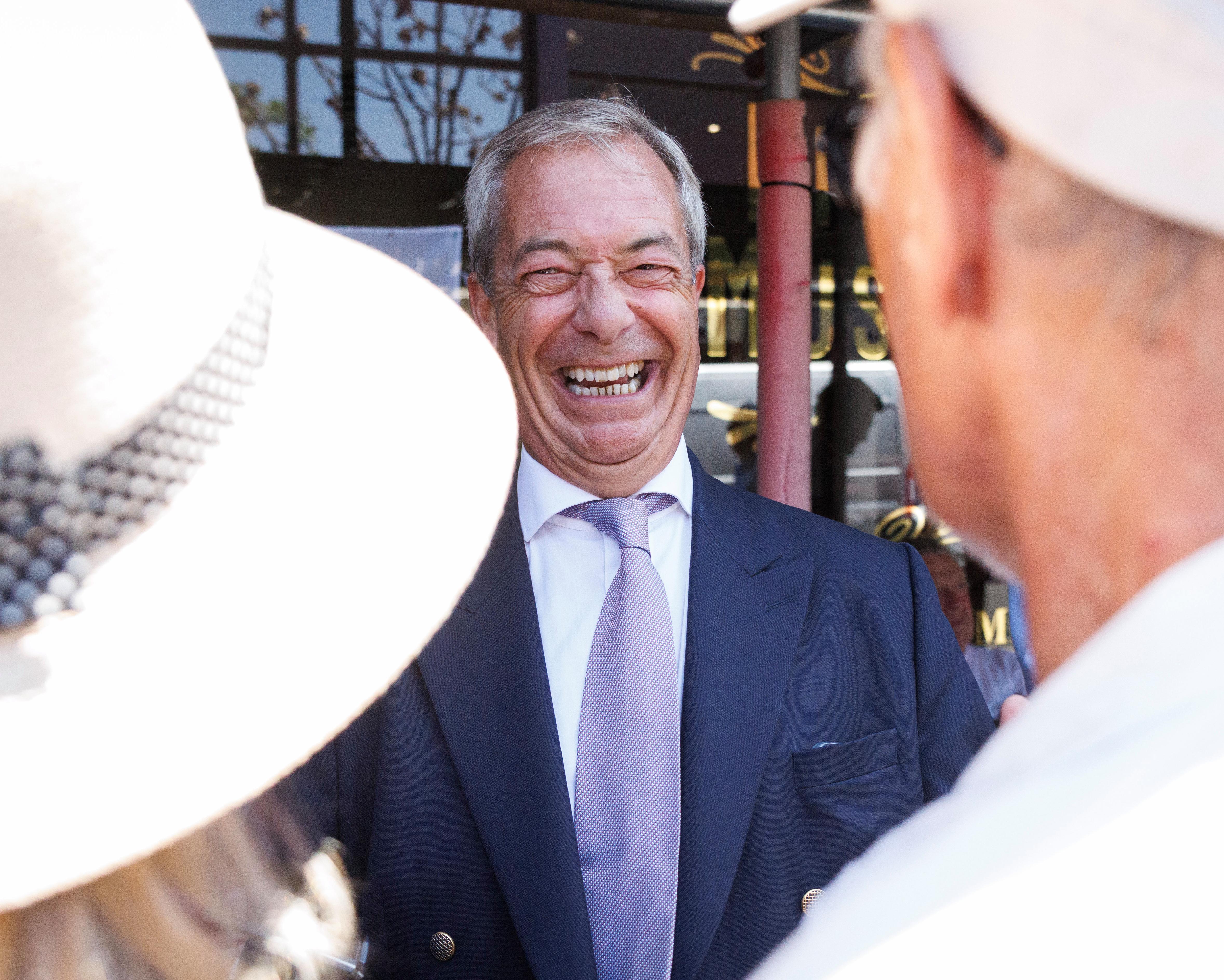
Nigel Farage has resigned his parliamentary seat in Clacton, initiating a byelection that he characterises as a direct response to ongoing scrutiny of his financial affairs. The decision forces a ninth attempt at securing a seat in parliament for the politician, who first won the constituency in 2024.
The contest has been significantly altered by the withdrawal of main political parties, who are boycotting the election. This collective absence leaves Farage to compete against a record-breaking field of 33 other candidates, resulting in a ballot paper reported to be three feet in length.
Farage has stated that the residents of Clacton should determine whether he remains fit to serve. The resignation is positioned by the former MP as a protest mechanism, challenging the electorate to validate his position despite the external investigations into his financial conduct.
The political upheaval occurs within a constituency facing profound socioeconomic difficulties. Clacton is described as one of the poorest, oldest, and whitest areas in the UK, with a life expectancy 18 years lower than in wealthier parts of Essex.
Economic indicators in the area are stark, with almost half of the working-age population unemployed and one in five individuals having never held a job. These conditions form the backdrop for a vote that some observers and voters are beginning to view with cynicism, with the process described as resembling a punchline.
The Guardian’s Nosheen Iqbal has conducted interviews with voters in the area to gauge sentiment regarding the unusual political landscape. The reporting highlights a disconnect between the national political spectacle and the local reality of economic stagnation and demographic decline.
The outcome of the byelection remains uncertain, with the contest defined more by the boycott of major parties and the sheer volume of candidates than by traditional two-party dynamics. The event underscores the complex interplay between individual political strategy and entrenched regional disadvantage.