Farage retains Clacton seat in boycott-hit byelection
Nigel Farage wins with 63.34% of the vote as major parties boycott the contest, which was triggered by a scandal involving a £5m gift.
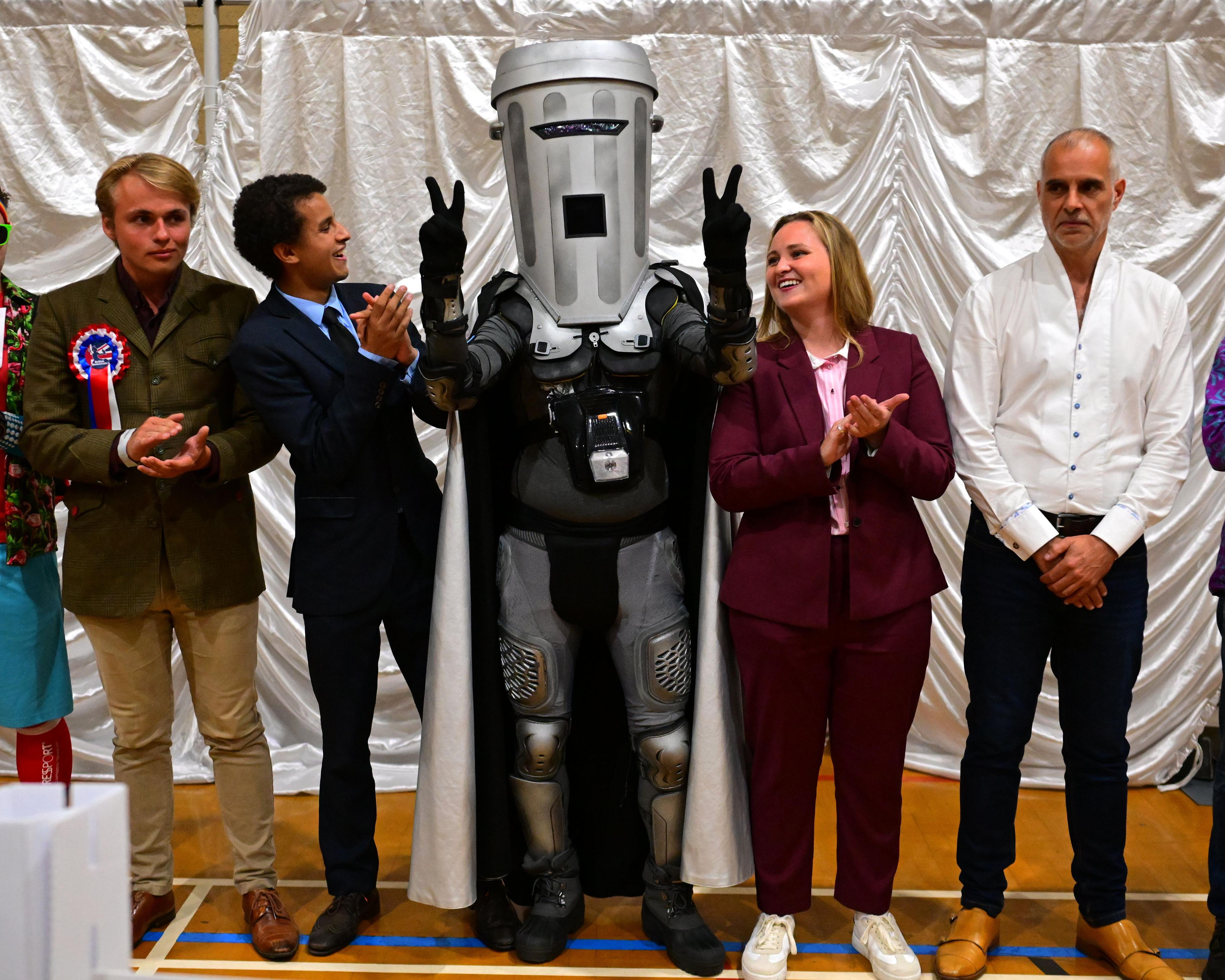
Nigel Farage has retained the Clacton parliamentary seat in a byelection that was boycotted by all other major political parties. The Reform UK leader secured 22,239 votes, representing 63.34% of the total, to defeat his nearest challenger, parody candidate Count Binface, who received 9,455 votes or 26.93% of the poll.
The contest, which saw a turnout of 44%, was triggered by Farage in July to address a deepening scandal surrounding a £5m gift from cryptocurrency billionaire Christopher Harborne. The byelection featured a record-breaking 34 candidates, resulting in the longest ballot paper in British electoral history.
Farage declared victory while votes were still being counted but did not attend the official count at Clacton Leisure Centre. He cited security advice from Essex police regarding a plot to embarrass him during the declaration. Instead, he attended a separate event known as Farage Fest on the rural fringes of the constituency.
Tendring district council chief executive Ian Davidson confirmed a robust policing operation was in place at the count but declined to comment on specific security threats. The heavy security presence included bag checks and metal detectors at the venue.
The victory occurs as investigations into Farage’s financial affairs intensify. The parliamentary standards watchdog is set to restart its inquiry into the £5m gift on Friday, while the Metropolitan police have opened a separate investigation into donations made to Reform UK. Questions regarding Farage’s links to convicted fraudster George Cottrell have also been raised.
All major parties boycotted the election, describing it as a media circus and a vanity project. Count Binface, created by comedian Jon Harvey, significantly outperformed a Survation poll prediction of 20%. Farage, who was first elected in 2024 with a majority of 8,400, framed the contest as a battle between the people and the establishment.