Farage and Times editor clash over property story as Reform UK media ties fray
A ‘strong confrontation’ between Nigel Farage and The Times editor has strained relations with News UK titles, as the party faces negative coverage over finances and recent electoral defeats.
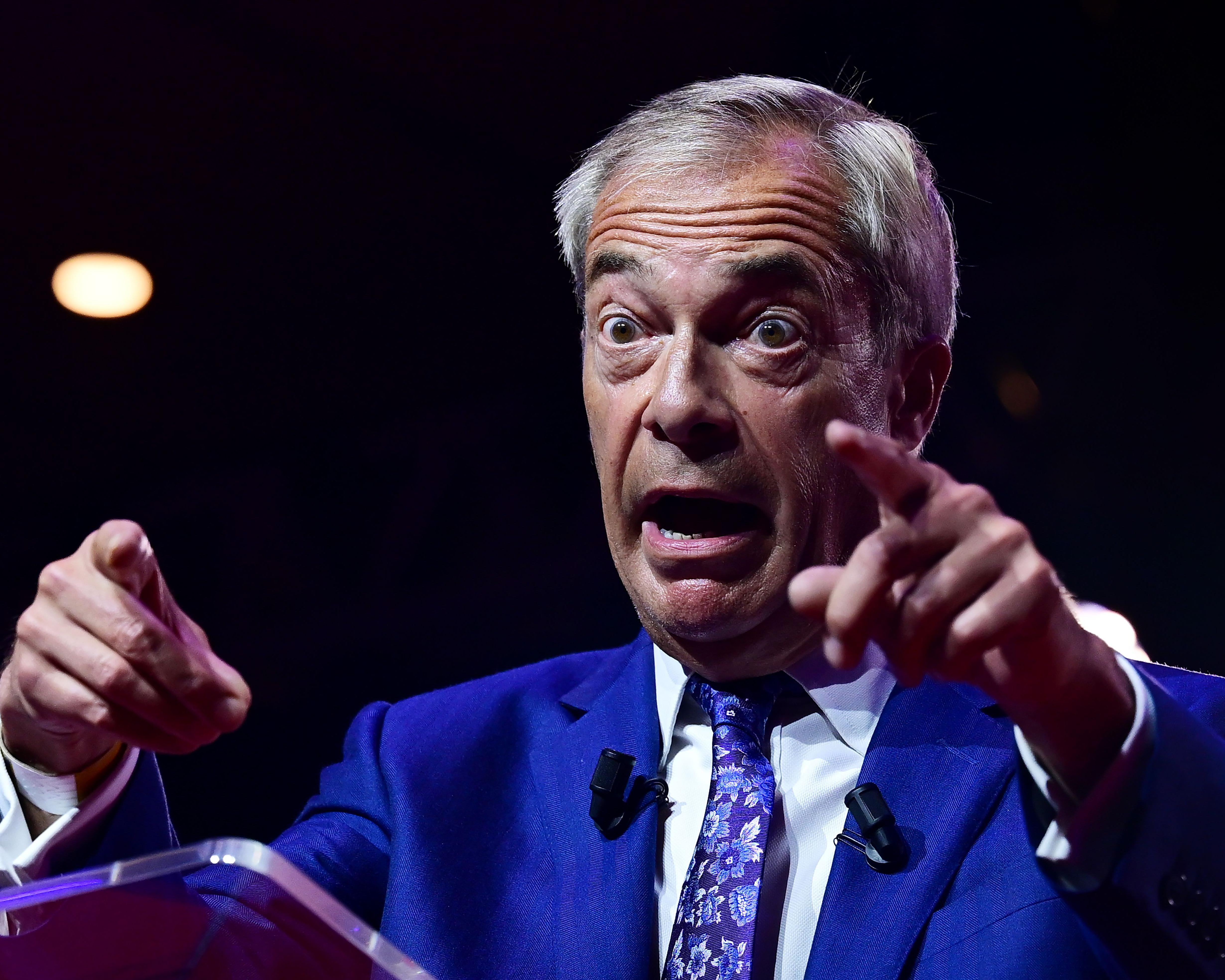
Nigel Farage, leader of Reform UK, engaged in a “strong confrontation” with The Times editor Tony Gallagher, an incident reportedly involving an expletive directed at the editor. The clash was triggered by Farage’s outrage over The Times’ plan to publish a story concerning his properties, which he argued posed a security risk to his family. Figures close to Farage were described as stunned by the intensity of the exchange, with one source characterising it as a “tirade of anger” that ended in a heated dispute.
The Times has firmly rejected the security concerns raised by Reform UK. A spokesperson for the newspaper stated that it stands by its journalism and does not accept that the published photograph identified the location of any specific property or presented a security risk. Despite the denial, sources within Reform UK maintain that the publication of the image was inappropriate, citing the recent death of Ann Widdecombe as evidence of heightened security risks for political figures. Farage has threatened legal action and raised the spectre of the Leveson inquiry, which examined press ethics, in response to the coverage.
This incident marks a significant deterioration in Reform UK’s relationship with Britain’s right-wing media, including News UK titles such as The Times and The Sun, as well as the Daily Telegraph and the Daily Mail. Coverage of Farage and the party has turned increasingly negative following questions regarding his funding and finances, as well as two recent byelection defeats. While the Daily Telegraph recently provided column inches for party figures to air grievances, it also featured commentary describing Farage’s Clacton byelection bid as a “summer gamble” and a farce.
The shift in tone is stark compared to a year ago, when Farage was actively courting News UK leadership and readers, seeking to convert poll leads into a broader power base. That period saw Reform’s slogan emblazoned on The Sun’s front page and Farage dining with the paper’s editor, Victoria Newton. However, recent commentary from The Sun’s veteran political commentator, Trevor Kavanagh, has described the “sudden death” of the political movement that began as the UK Independence party and evolved into Reform. Kavanagh’s piece suggested that the movement associated with Farage has effectively ended.
Political rivals have also intensified their criticism. Kemi Badenoch appeared in The Daily Telegraph stating that the Conservative party is “for serious people, not a retirement home for failed politicians,” a comment widely interpreted as a jibe at Reform’s collection of Tory defectors. Meanwhile, The Daily Mail ran an editorial questioning Reform’s momentum, noting that concerns over Farage’s financial affairs have significantly altered the political landscape. In response to negative coverage from the Sunday Times regarding financial backing from convicted fraudster George Cottrell, Farage has turned to The Daily Express for supportive reporting.
A senior News UK figure has reportedly reached out to Farage for a meeting following the confrontation. Within News UK, Reform’s anger is viewed by some as a sign of frustration at failing to win over the titles or their readership. One senior editor suggested that Farage has abandoned attempts to build broad support in favour of appealing to his base by attacking the press, a strategy likened to tactics used in “Trump world.”
Des Freedman, a professor of media and communications at Goldsmiths, University of London, noted that the right-leaning media’s ties to the Conservative party run deep. He argued that while there was a honeymoon period for Reform a year ago, that relationship is now more fluid. Freedman suggested that the media sees Farage as an unreliable ally and is willing to make more criticism because they are not ready to write off the Conservatives just yet.
Despite the friction, Farage continues to rely on The Daily Express for supportive coverage. However, analysts suggest that if scepticism among other right-leaning newspapers continues, it could seriously dent Reform UK’s ambitions. The party’s grander goals of gaining power may be hindered by the loss of the insurgency appeal that previously garnered them attention, as the media landscape remains deeply entrenched with traditional Conservative interests.