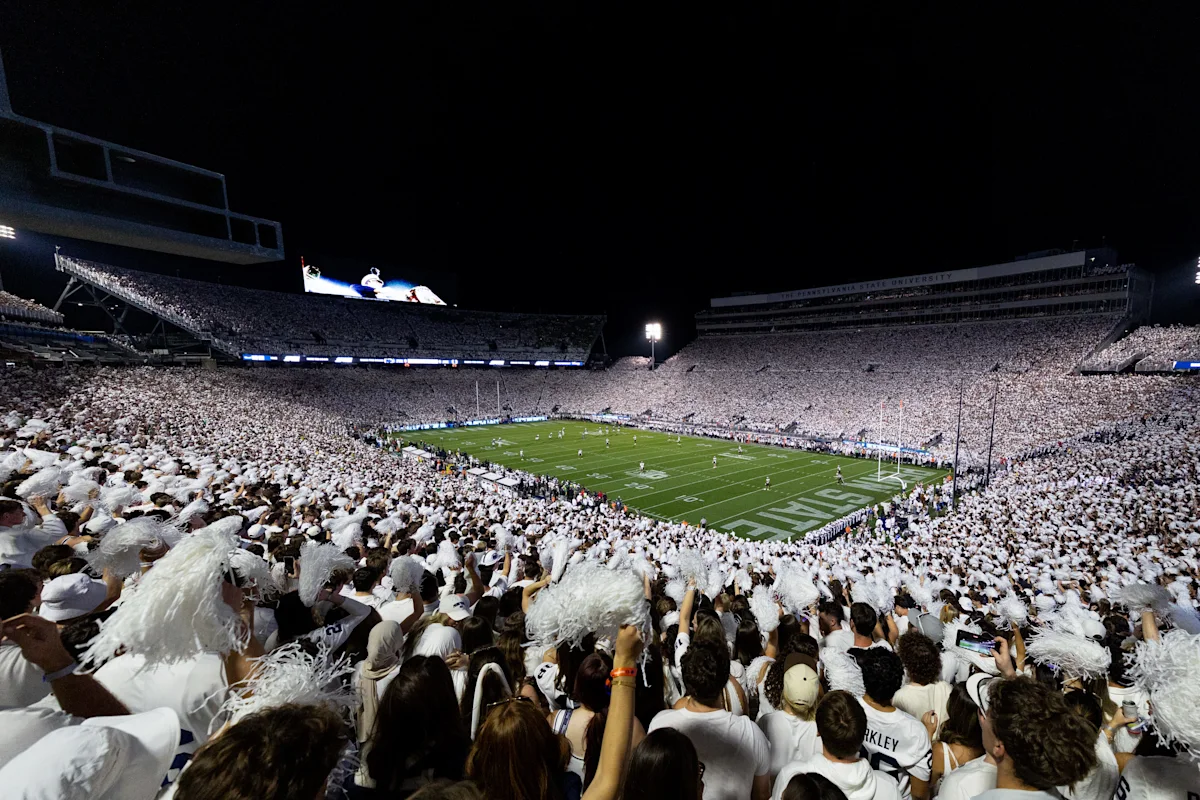
Falklands legacy and football history define England-Argentina World Cup semifinal
As England and Argentina prepare for their semifinal encounter, the match is framed by the 1982 Falklands War, the 1986 Maradona era, and ongoing sovereignty disputes, despite calls from Argentina’s coach to treat the fixture as purely sporting.
The upcoming 2026 World Cup semifinal between England and Argentina is widely regarded as more than a standard sporting contest, carrying deep historical and political weight. Media coverage highlights the enduring rivalry, which is anchored in the 1982 Falklands War and the iconic 1986 World Cup quarterfinal featuring Diego Maradona. The match is set against a backdrop of unresolved sovereignty claims and emotional historical narratives that continue to influence public sentiment in both nations.
The conflict traces back to April 1982, when Argentina’s military junta invaded the Falkland Islands, known in Argentina as the Islas Malvinas. The 74-day war resulted in 649 Argentine and 255 British military deaths and contributed to the collapse of Argentina’s military dictatorship, which had ruled since 1976. The defeat ended the regime’s brutal "Dirty War" and paved the way for a return to democracy in 1983, yet the territorial dispute remains a potent political issue.
Argentina continues to assert sovereignty over the islands, despite a 2013 referendum in which islanders voted to remain a British overseas territory. Buenos Aires rejected the referendum result, maintaining its claim. This political friction was encapsulated by Maradona, who, in a 2008 documentary, refused an invitation to meet Prince Charles, stating he would never shake hands with someone he viewed as having "blood in it."
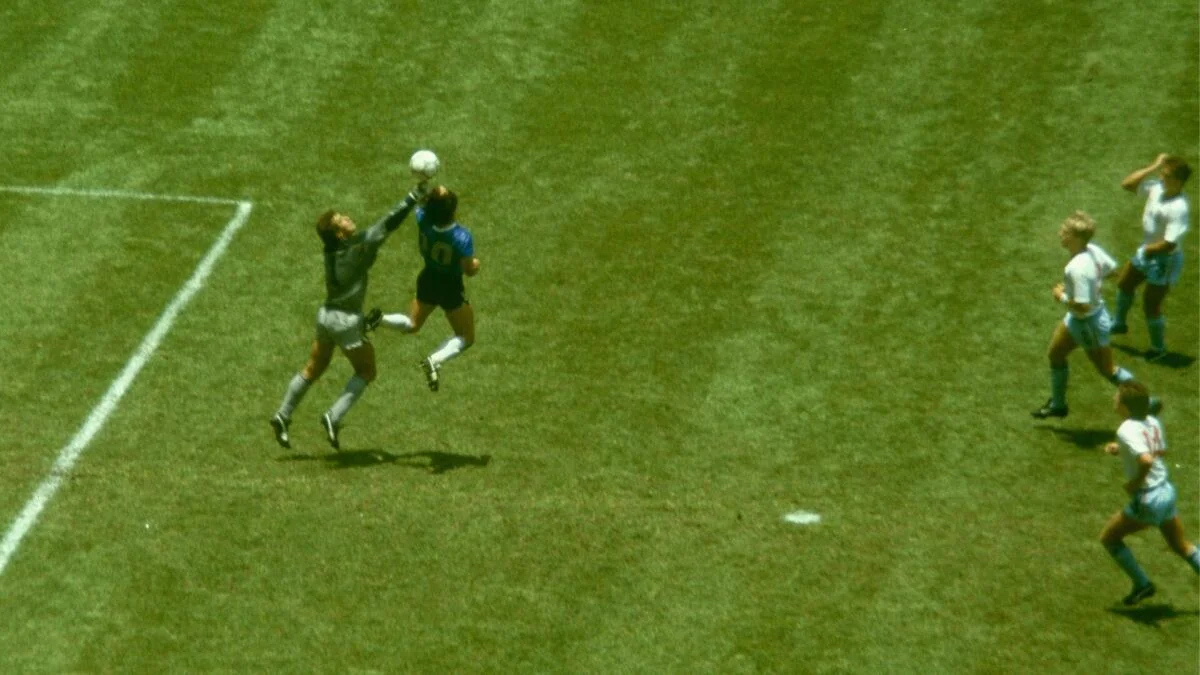
On the pitch, the rivalry was cemented during the 1986 World Cup quarterfinal in Mexico. Maradona scored the controversial "Hand of God" goal and the subsequent "Goal of the Century," leading Argentina to a 2-1 victory. The match also holds administrative significance, as the 1966 quarterfinal between the two nations led to the introduction of yellow and red cards. That game saw Argentine captain Antonio Rattin sent off by referee Rudolf Kreitlein, but due to language barriers and the lack of visual signals, Rattin refused to leave the field for nearly 10 minutes.
Current Argentina coach Lionel Scaloni has attempted to depoliticise the upcoming fixture, urging that the game be viewed simply as football. However, this stance contrasts with fan culture, where chants referencing the Malvinas and Maradona are common. The tension between official diplomatic history and sporting emotion remains a defining feature of this World Cup semifinal.