FAA Proposes Mandatory Seat Inspections for 453 Boeing 737 MAX Jets
The US Federal Aviation Administration has issued a proposed order targeting US-registered aircraft, adding to ongoing scrutiny of Boeing’s safety oversight following previous incidents.
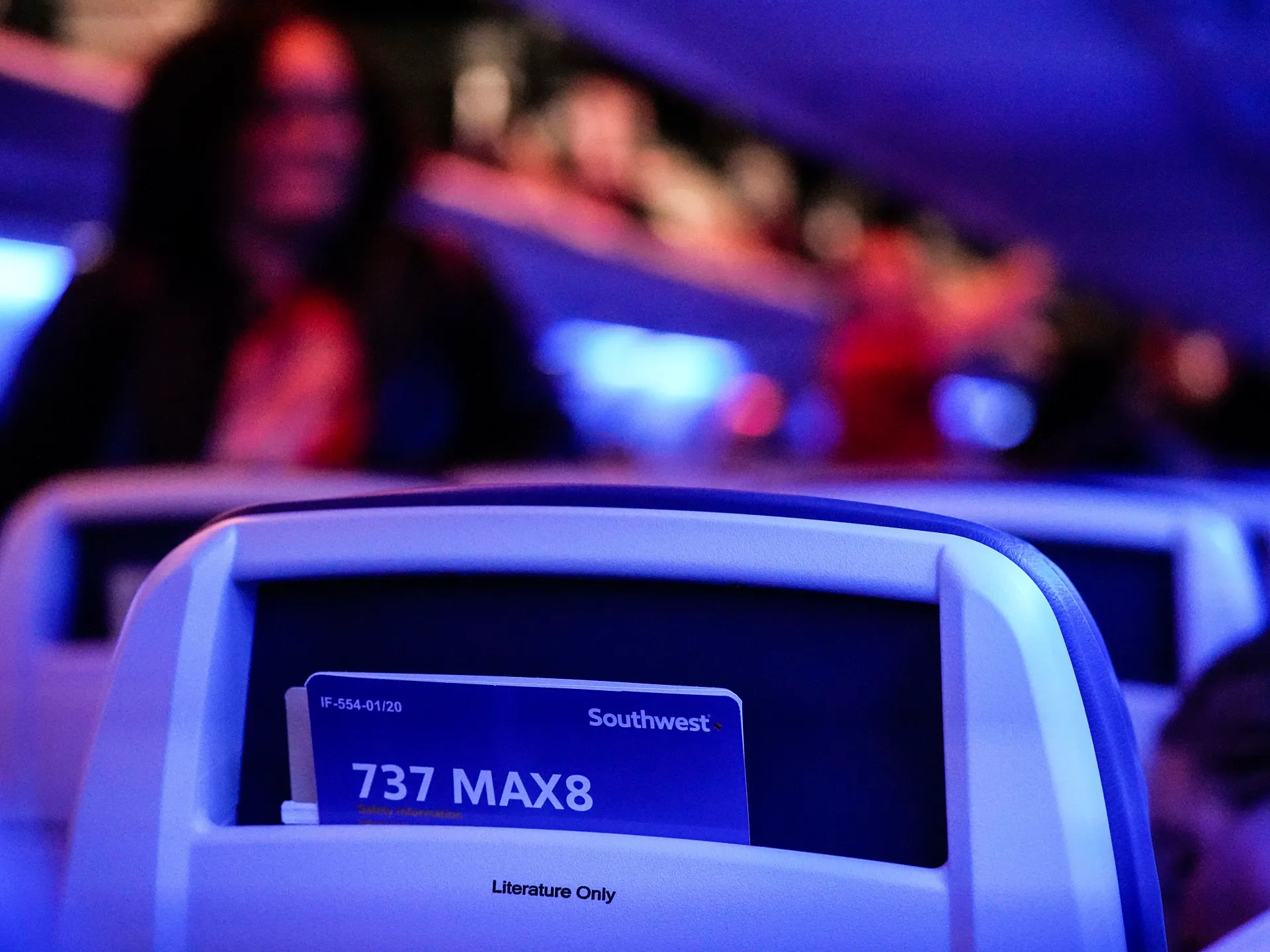
The US Federal Aviation Administration (FAA) has proposed a mandatory inspection order for 453 Boeing 737 MAX aircraft registered in the United States, citing concerns that seats on these jets may have been installed incorrectly. The regulator warned that improperly fitted seats could become loose during an emergency landing, potentially injuring passengers and crew members or blocking aisles and slowing evacuation procedures.
The proposed directive applies exclusively to US-registered planes, as the FAA does not have jurisdiction over foreign airlines. However, aviation regulators in other countries often align their rules with FAA orders when the issue impacts aircraft operating within their respective markets. This approach ensures that safety standards remain consistent for aircraft that may traverse international airspace or return to US registration.
Boeing has stated that it issued guidance to operators regarding this specific issue in December 2025. A company spokesperson told Reuters that Boeing supports the FAA’s decision to make such inspections mandatory, indicating alignment between the manufacturer and the regulator on the necessity of the corrective action.
This warning adds to years of scrutiny regarding Boeing’s safety record and governance. In January 2024, a cabin panel blew off an Alaska Airlines Boeing 737 MAX 9, forcing an emergency landing and leading the FAA to ground 171 jets. Investigators later determined that four key bolts were missing from the panel, highlighting significant manufacturing and oversight failures.
The scrutiny intensified following various accidents globally and the death of Boeing whistleblower John Barnett in March 2024, while he was providing evidence for a safety lawsuit against the firm. In June 2025, the US National Transportation Safety Board (NTSB) concluded that Boeing had failed to provide adequate training, guidance, and oversight to prevent the Alaska Airlines incident.
According to aviation advisory and intelligence firm IBA, there are approximately 2,300 Boeing 737 MAX jets operating worldwide, with 823 registered in the US. The new inspection order targets nearly half of the US-registered fleet, underscoring the scale of the regulatory response to these structural concerns.