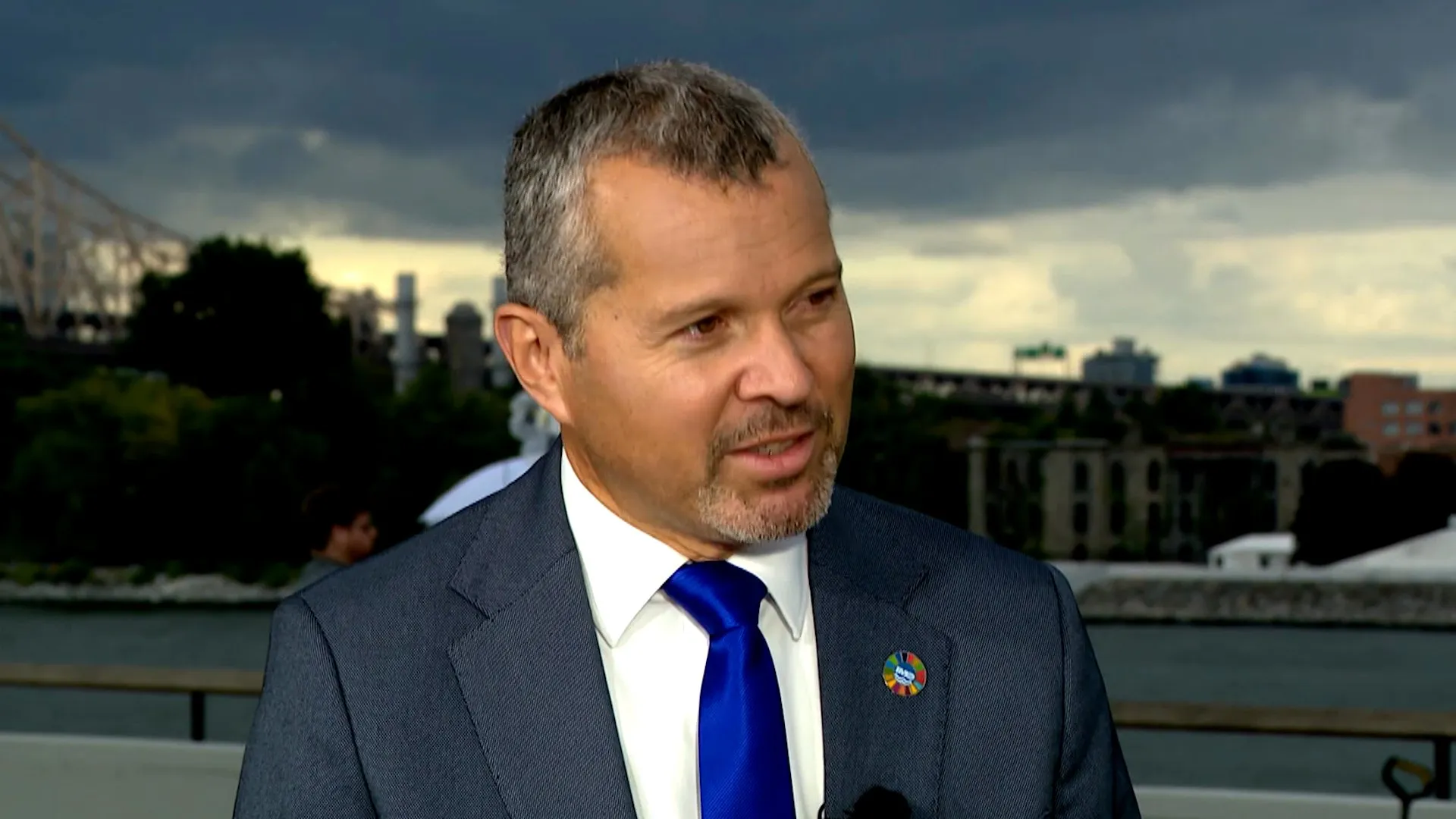
Experts dissect Trump-Xi summit dynamics and commodity markets
Dr Bates Gill and Freda Gordon examine the intersection of global power structures and sulphur market fundamentals in a recent France 24 Spotlight programme.
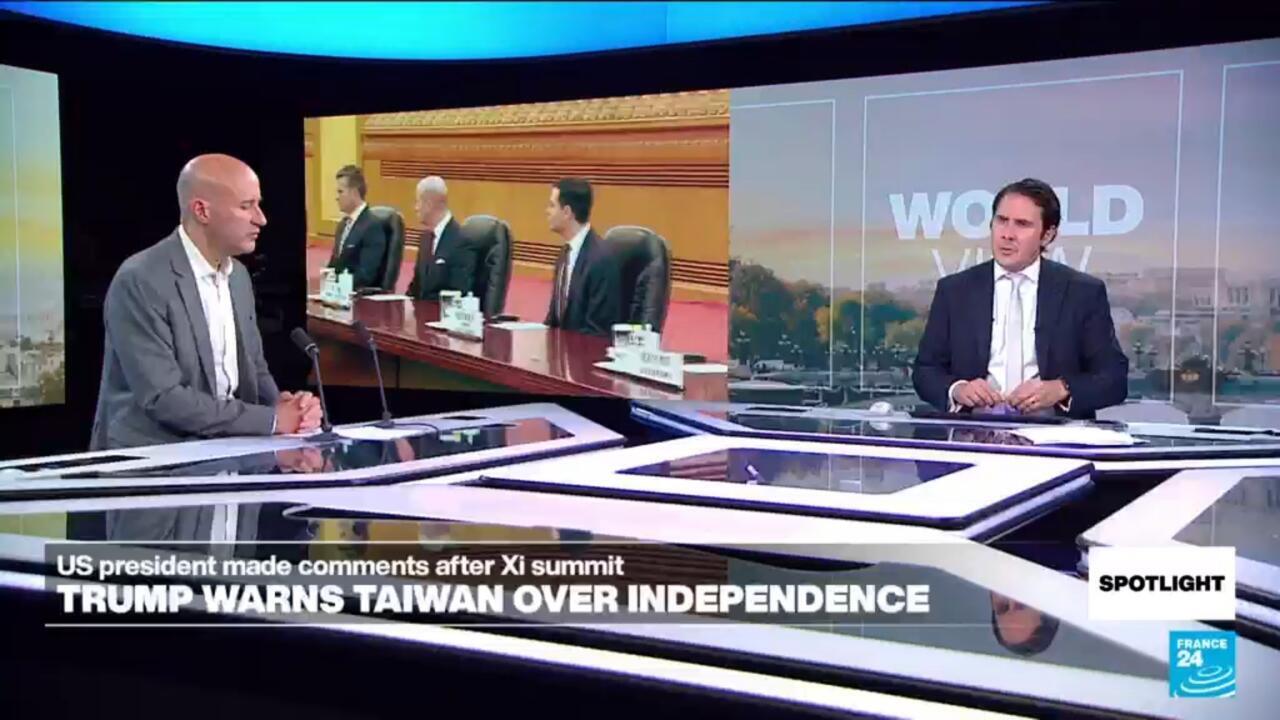
Dr Bates Gill, a senior fellow for Asian security at the National Bureau of Asian Research, and Freda Gordon, director of Acuity Commodities, provided analysis on the recent Trump-Xi summit during a France 24 Spotlight programme. The discussion, titled "Trump-Xi, the alpha power summit: a debrief," examined the broader implications of the meeting between the two leaders.
Gill, an American international relations scholar and China specialist, contributed his expertise on the geopolitical landscape. He is the author of *Daring to Struggle: China's Global Ambitions under Xi Jinping* and focuses on Asian security issues within his role at the National Bureau of Asian Research.
The conversation extended beyond traditional diplomatic metrics to include economic and industrial factors. Freda Gordon, who is based in London, offered insights into the role of sulphur markets in modern industry and agriculture. Her firm, Acuity Commodities, which she co-founded, specialises in tracking global sulphur and sulphuric acid markets.
Sulphuric acid is frequently described as the "king of chemicals" due to its fundamental role in supporting modern industrial and agricultural processes. Gordon’s analysis highlighted how these commodity markets intersect with the high-level political discussions taking place between Washington and Beijing.
The programme provided a framework for understanding how economic dependencies and security strategies are evolving in the context of US-China relations. While the specific outcomes of the summit were not detailed in the source material, the focus remained on the structural dynamics of global power and their impact on key industrial sectors.
The analysis underscores the complexity of modern statecraft, where diplomatic engagements are increasingly viewed through the lens of both security imperatives and economic stability. The involvement of experts from both academic and commodity tracking institutions suggests a growing recognition of the interconnected nature of political and industrial policy.