Experts cite enforcement deficit as ceasefires in Gaza, Iran and Lebanon remain fragile
International law scholars argue that the persistence of strikes across multiple conflict zones stems from a lack of neutral oversight and binding arbitration, leaving political truces vulnerable to selective application.
International law experts have identified a critical enforcement deficit as the primary reason why ceasefires in Gaza, Lebanon and between Iran and the United States remain fragile despite formal agreements. Scholars including Mark Kersten, Michael Lynk and Toby Cadman argue that these truces function as political pauses rather than binding legal instruments, lacking the neutral oversight mechanisms necessary to impose consequences for violations.
The United States serves as the principal broker and overseer for the agreements in Gaza and Lebanon, a role that has drawn scrutiny given its alliance with Israel. Michael Lynk, an emeritus professor at Western University, noted that while Global North countries have criticised Israeli strikes in Lebanon, there has been minimal pressure on Washington for permitting repeated breaches. This dynamic highlights a broader issue where allegations of violations are filtered through political calculations rather than assessed by independent legal authorities.
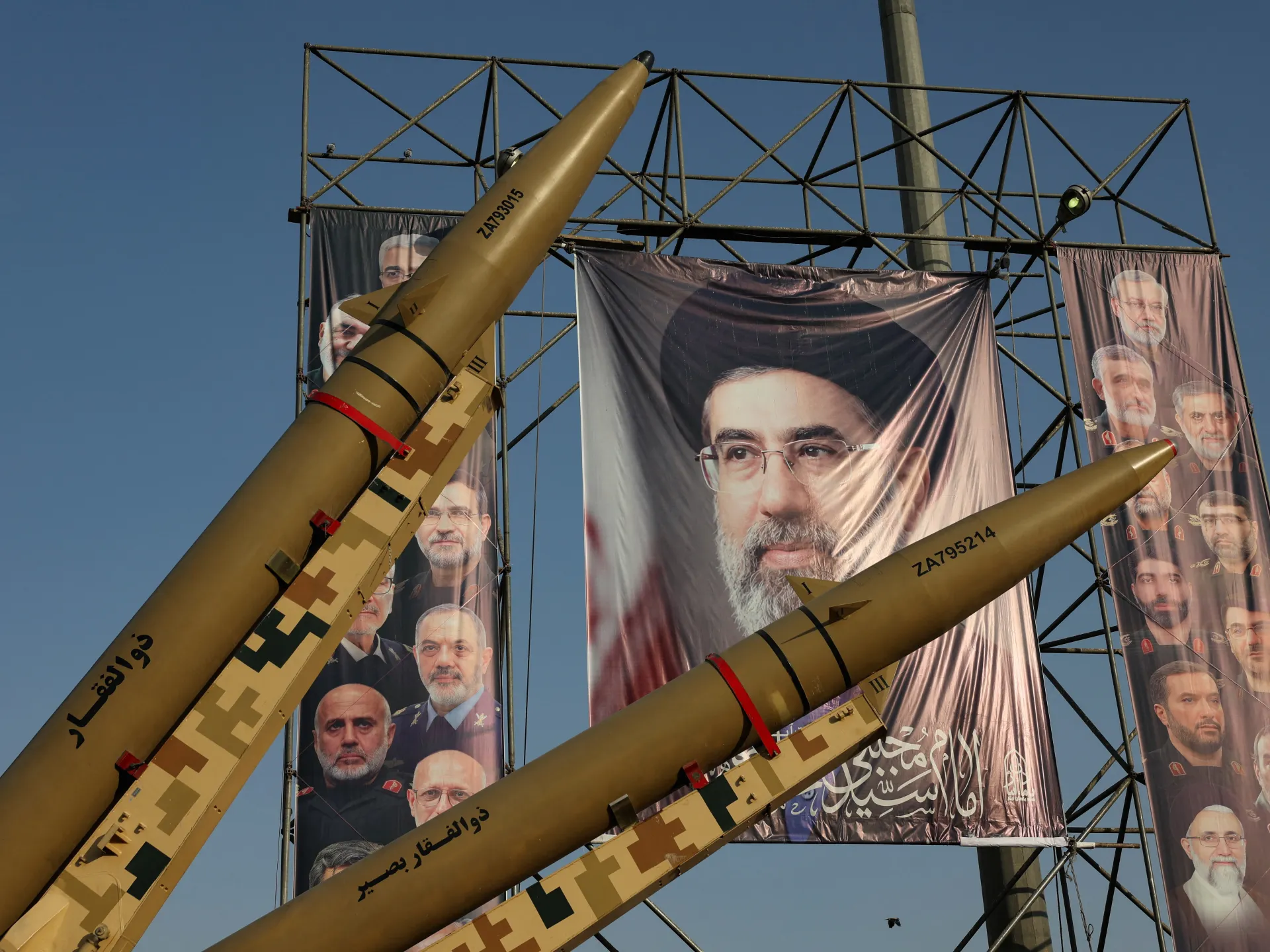
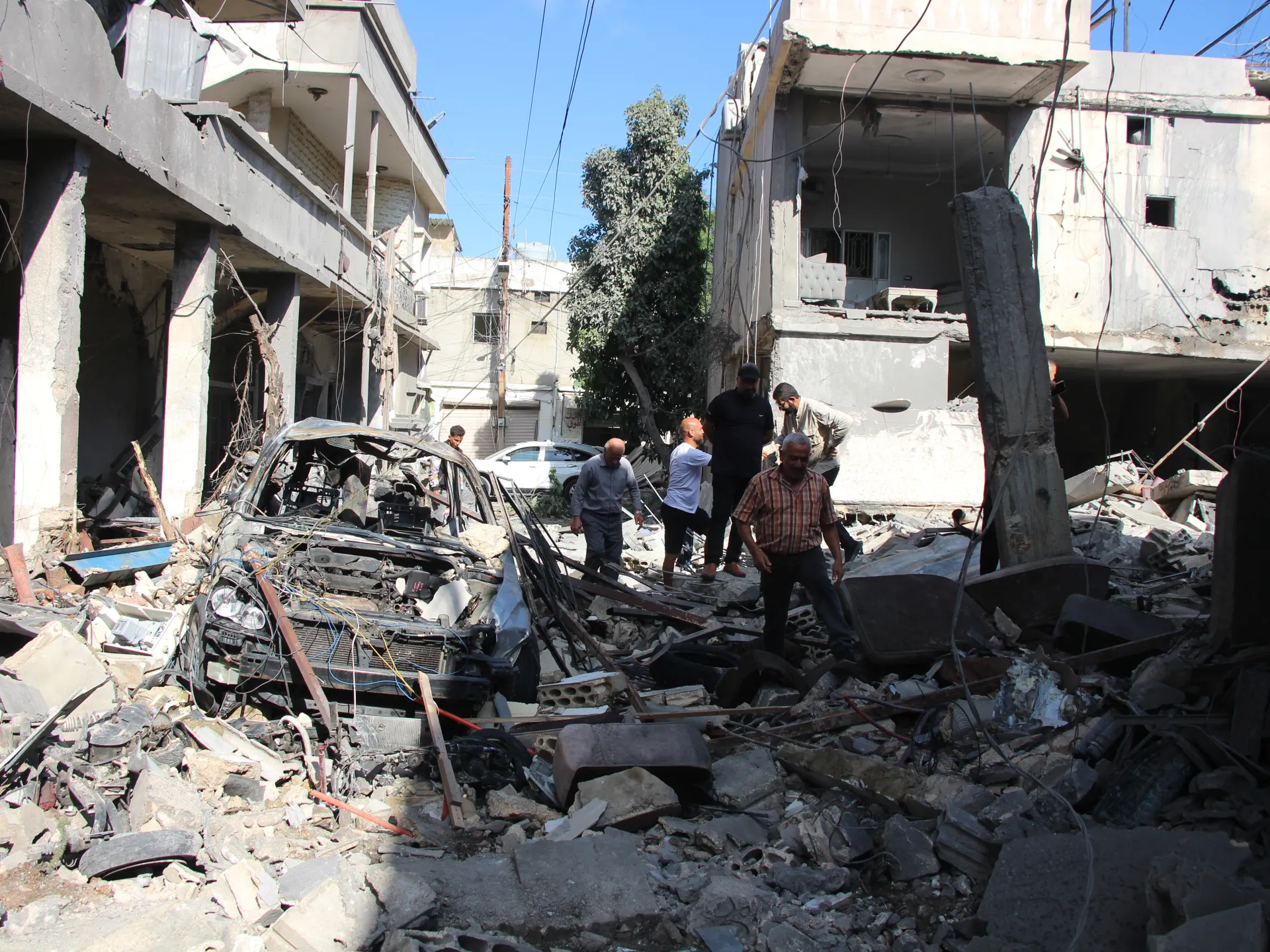
Specific incidents underscore the fragility of these arrangements. On Friday, Israeli strikes hit the Naqoura and Nabatieh districts in southern Lebanon, killing at least one person, despite a ceasefire announced on Wednesday following a previous agreement on April 16. In Gaza, where a truce has been in place since October 10, 2025, an Israeli bombing killed nine people in a residential building this week. Meanwhile, Iran and the US, who have maintained a formal ceasefire since April 8, continue to trade periodic attacks that have intensified recently, with Iran firing missiles at Gulf nations it accuses of enabling US operations.
Legal experts emphasise that international humanitarian law remains fully applicable during ceasefires, meaning continued attacks may still constitute war crimes. Toby Cadman, a British international human rights lawyer, argued that ceasefires suspend fighting but do not end the state of armed conflict. He rejected the use of Article 51 of the UN Charter as a standing licence for preventive strikes, stating it only applies to genuine or imminent armed attacks.
The inability to enforce compliance is further complicated by the structure of the UN Security Council. Although Resolution 2803 endorsed the Gaza peace plan, the US veto power prevents the censure of violators, including Israel and the US itself. Mark Kersten described this as a fundamental contradiction where international law establishes consensus on legality, yet political will fails to halt violence. US President Donald Trump recently offered a non-legal definition of a ceasefire, describing it as a state where shooting is conducted in a more moderate manner, a comment experts say underscores the absence of meaningful enforcement mechanisms.