Expert warns of high fatality rate in hantavirus cluster despite low infectiousness
Professor Matt McKee outlines the risks of an emerging hantavirus cluster, noting a fatality rate of approximately one in three while distinguishing the virus from the coronavirus pandemic.
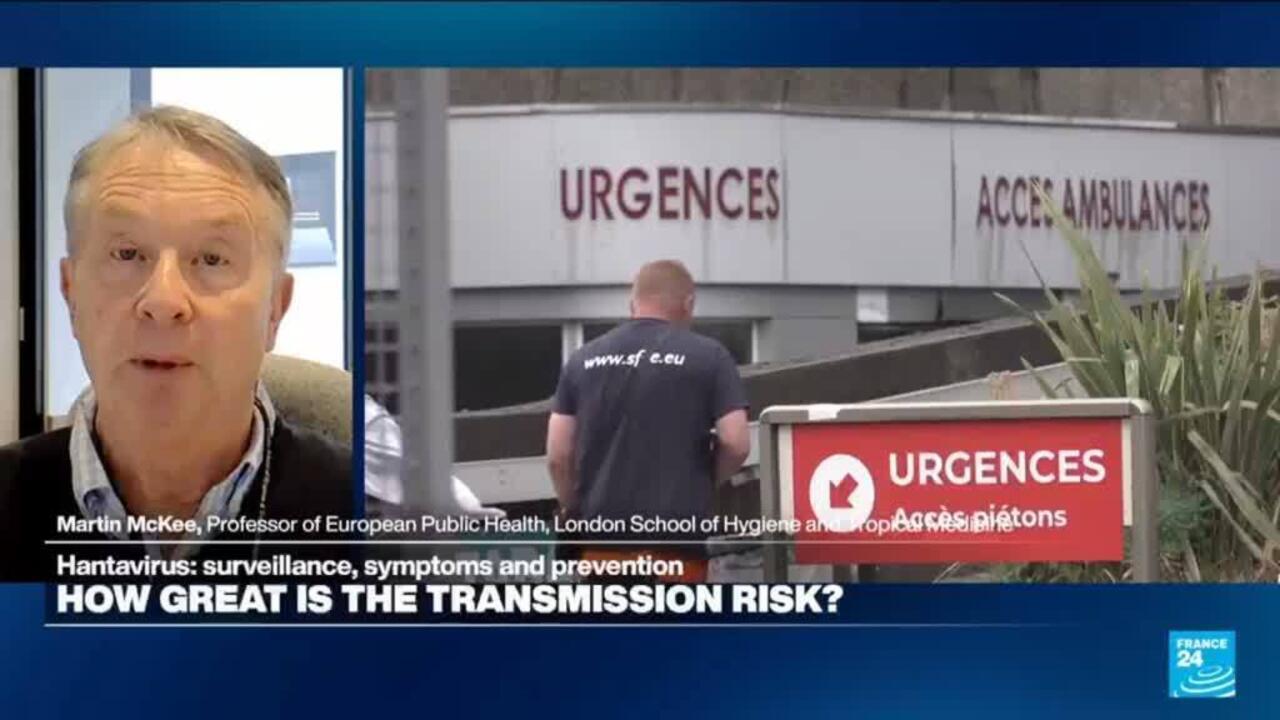
Professor Matt McKee of the London School of Hygiene and Tropical Medicine has issued a sobering assessment of an emerging cluster of hantavirus infections, characterising the pathogen as a serious disease with a fatality rate of approximately one in three. While acknowledging the severity of individual cases, McKee stressed that the virus does not spread at anything like the rate of COVID-19, offering a measured distinction between the two public health challenges.
The expert identified a specific and unusual chain of exposure driving the current cluster. Transmission is linked to rodent-contaminated landfill sites, which subsequently led to exposure aboard a confined vessel. McKee described this vessel as an "institutional amplifier," noting that the confined nature of the environment created a very unusual set of circumstances for the virus to spread among those on board.
Health authorities are currently racing to contain the outbreak, though the specific geographic location of the landfill sites and the vessel remains undefined in available reports. The total number of confirmed cases within this emerging cluster has not been specified, leaving the full scale of the incident unclear at this stage.
McKee’s commentary highlights the importance of understanding transmission vectors beyond simple human-to-human contact. By isolating the role of environmental contamination and confined institutional spaces, the assessment suggests that containment strategies must address these specific structural risks rather than relying solely on broad community isolation measures.
The comparison to the coronavirus pandemic serves to contextualise the infectiousness of hantavirus rather than its lethality. While the fatality rate is high, the lower transmission potential means the virus poses a different type of governance challenge, requiring targeted intervention at the source of exposure rather than widespread population-level restrictions.
As investigations continue, the focus remains on understanding the mechanics of the "institutional amplifier" effect. The case underscores the need for rigorous oversight of waste management sites and the health protocols governing confined institutional environments to prevent similar clusters from forming.