Expert warns of 'forever war' as US-Iran conflict deepens
Thirteen nights of US airstrikes on Iranian civilian infrastructure and retaliatory strikes by Tehran have raised fears of a prolonged regional conflict under President Donald Trump.
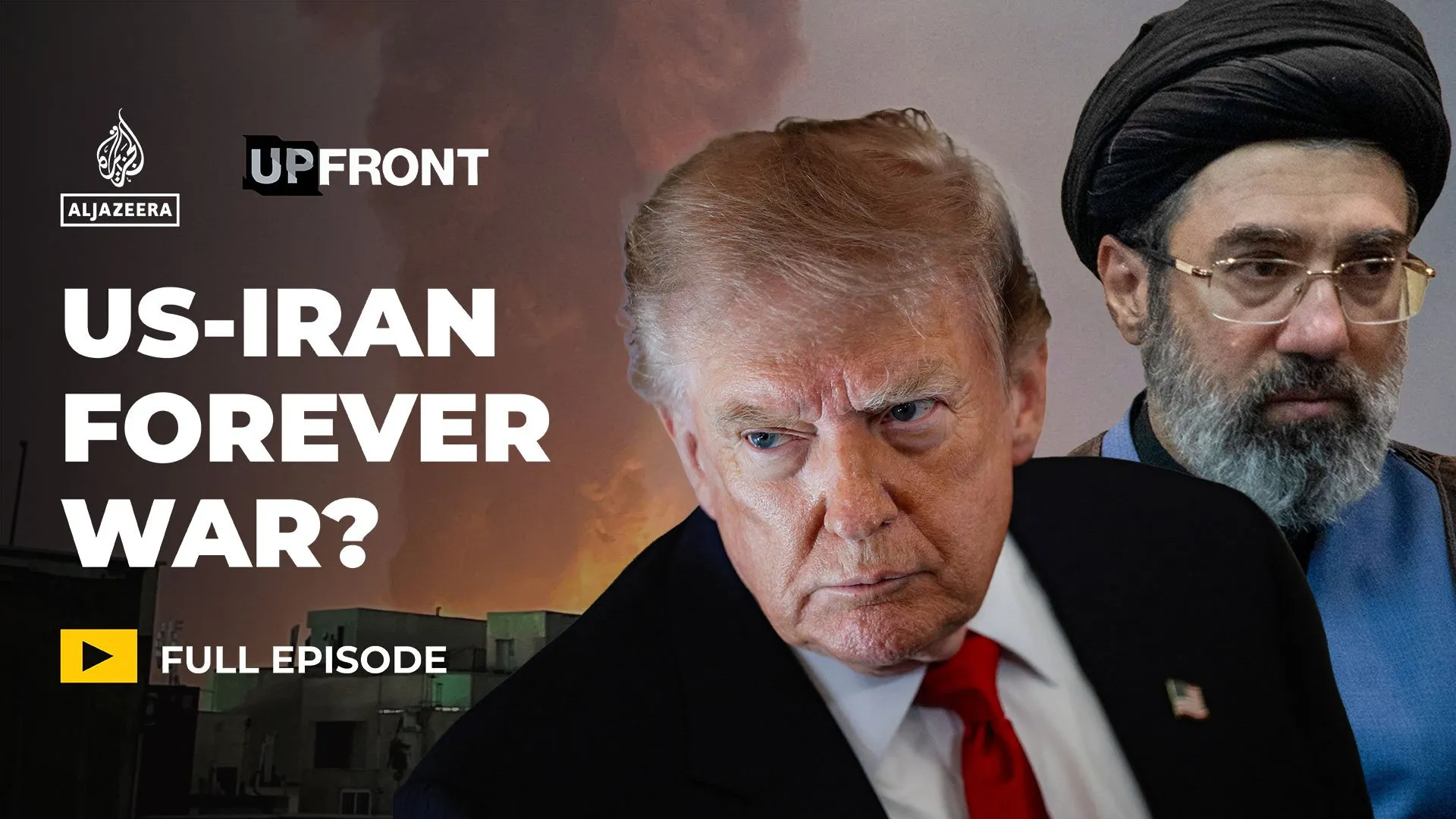
The risk of a protracted and destabilising conflict between the United States and Iran has moved to the forefront of international security discourse, with experts warning that the current trajectory points toward a "forever war". This assessment was central to a discussion on Al Jazeera’s programme UpFront, broadcast on 27 July 2026, featuring Marc Lamont Hill and Ali Kadivar, an associate professor of sociology and international studies at Boston College.
The interview was conducted against the backdrop of an intensifying military campaign that has already lasted for 13 nights. According to reports, United States forces have conducted airstrikes targeting Iranian civilian infrastructure, including bridges, airports, electrical facilities, and a desalination plant. The scale and nature of these strikes have drawn sharp attention to the humanitarian and structural implications of the ongoing hostilities.
In response to the sustained bombardment, Iran has launched retaliatory strikes aimed at civilian infrastructure belonging to United States allies in the Gulf region. This escalation has widened the conflict beyond bilateral engagements, threatening to draw in regional partners and further complicating the geopolitical landscape. The mutual targeting of civilian assets underscores the volatility of the current situation and the potential for broader regional destabilisation.
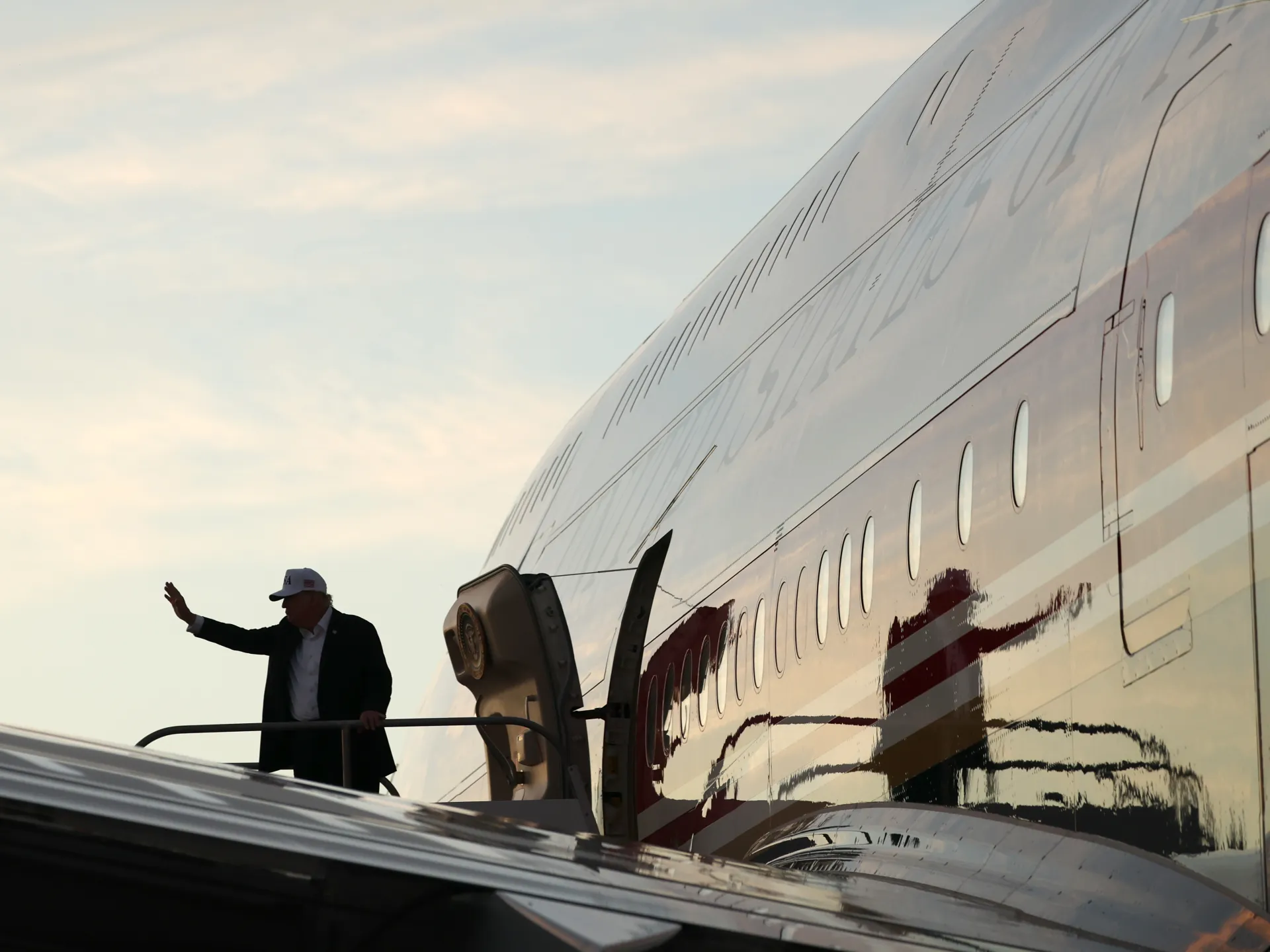
United States President Donald Trump has publicly threatened to escalate attacks further, signalling a hardening of the administration’s stance. These threats have heightened concerns among analysts and policymakers regarding the possibility of wider Iranian retaliation and the potential for an all-out war. The uncertainty surrounding future military actions remains a critical factor, as the long-term outcome of the conflict is still subject to political decisions and military responses.
Kadivar’s analysis, contextualised through historical precedents, suggests that the current conflict is not an isolated incident but part of a longer pattern of tension between the two nations. The discussion highlights the dangers of prolonged military engagement and the difficulties of achieving a stable resolution. As the situation evolves, the international community continues to monitor the developments closely, with the term "forever war" serving as a cautionary descriptor for the potential longevity and destructiveness of the conflict.