Evian 1938: Diplomatic silence cements refugee exclusion
A review of the Evian Conference reveals how pre-negotiated diplomatic agreements and economic protectionism prevented international intervention, leaving half a million Jews without safe passage.
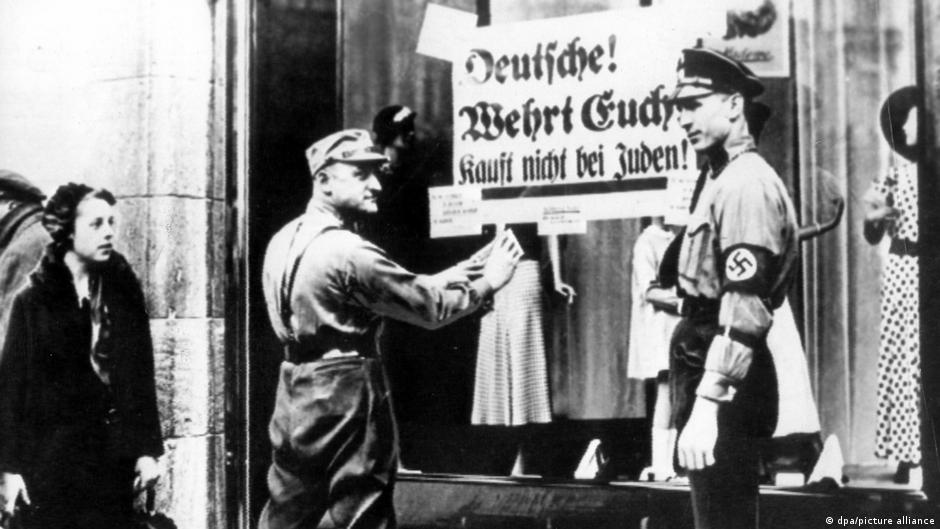
From 6 to 15 July 1938, representatives from 32 nations and humanitarian organisations convened in Evian-les-Bains, France, to address the displacement of approximately 500,000 Jews fleeing Nazi Germany and Austria. Initiated by US President Franklin D. Roosevelt, the summit sought to establish a controlled emigration framework without altering national immigration quotas or committing government funds. The gathering occurred three and a half months after the Anschluss and five and a half years after Adolf Hitler’s rise to power, a period during which the Nuremberg Laws had already stripped Jews of citizenship and public rights.
The conference was constrained by pre-existing diplomatic arrangements that limited its scope. Before delegates arrived, Washington and London had reached an agreement wherein the US promised not to raise the issue of the British Mandate of Palestine, while the UK pledged not to utilise unused US immigration quotas. Consequently, the conference was attended by lower-ranking diplomats rather than heads of state, reflecting a political reluctance to make binding commitments.
Delegates from major Western democracies, including Australia, Canada, and the United Kingdom, declined to accept significant numbers of refugees. Australian delegate Thomas White explicitly rejected the proposal, stating: "Since we don't have a real race problem, we are not prepared to import one." Other nations cited high unemployment and economic crisis as reasons for refusing entry to professionals and tradespeople, while France claimed it was already saturated with refugees.
Only a few Latin American nations offered limited commitments. Mexico and Colombia agreed to accept several hundred Jews annually, and the Dominican Republic offered to accept up to 100,000, though bureaucratic hurdles and the outbreak of World War II prevented this from materialising. The conference concluded with the establishment of the Intergovernmental Committee for Refugees (IGC), a body described as powerless and lacking enforcement mechanisms to facilitate resettlement.
The outcome signalled to the Nazi regime that the international community would not intervene to protect Jews. Golda Meir, attending as an observer, later described the experience of hearing delegates express sympathy while refusing to help as "terrible." The diplomatic failure at Evian left the fate of Jews in Nazi-controlled territories to depend on individual acts of defiance, such as visas issued by Chinese Consul-General Ho Feng Shan, until the escalation of conflict in 1939.