Evergrande founder Hui Ka Yan jailed for life in landmark property case
The Shenzhen Intermediate People's Court has sentenced the founder of China’s largest former property developer to life imprisonment, imposing significant financial penalties on the group amid ongoing sectoral instability.
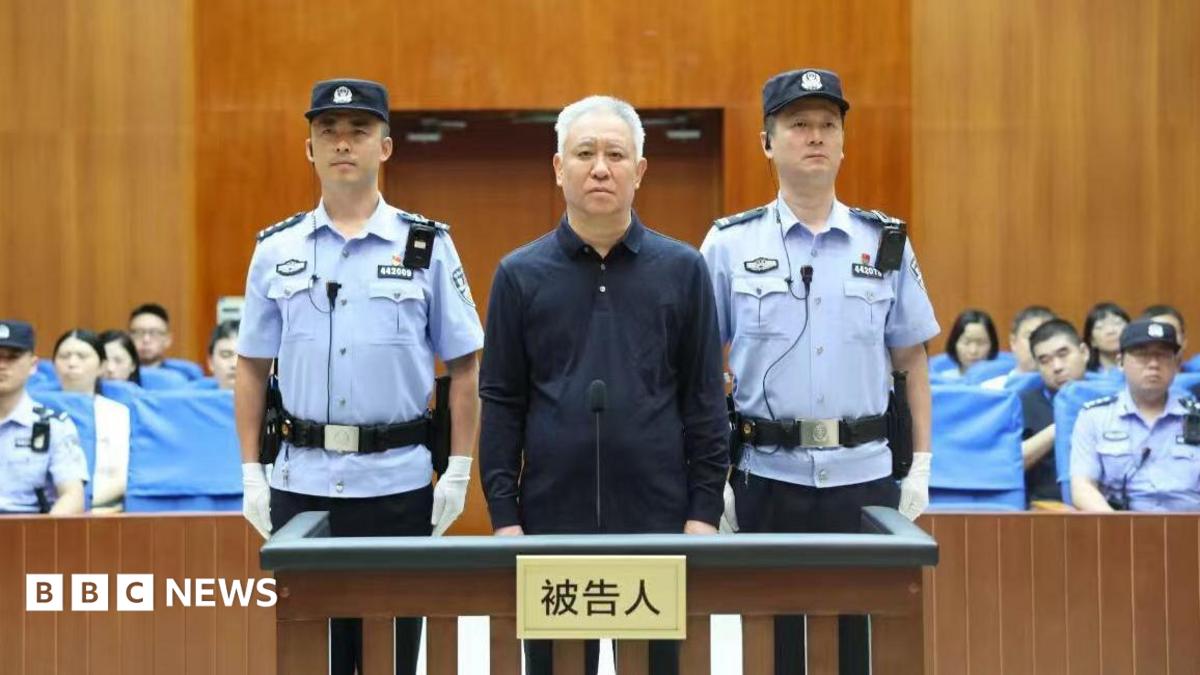
Hui Ka Yan, the founder of Evergrande Group, has been sentenced to life in prison by the Shenzhen Intermediate People's Court. The ruling included the confiscation of all his personal property. Hui, also known as Xu Jiayin, had pleaded guilty in April to charges including embezzlement of assets and corporate bribery.
The court also imposed a fine of 8.82 billion yuan on Evergrande Group, while its real estate unit was ordered to pay an additional 7 billion yuan. According to state media, these financial penalties are part of the broader legal response to the company's collapse, which severely impacted China's property sector, investors, and domestic banks.
The sentencing follows a period of rapid expansion and subsequent decline. Hui established Evergrande in 1996, growing it into China's largest real estate developer with a peak stock market valuation exceeding $50 billion. The company's aggressive expansion was funded by substantial borrowing, a strategy that became unsustainable after Beijing introduced measures in 2020 to control debt in the property sector.
In April, the court heard that the company had diverted millions of dollars in pre-sale funding from potential house buyers away from construction. These funds were instead channelled into new property developments, resulting in hundreds of unfinished projects. This misallocation of capital contributed to the firm's collapse in 2021, forcing it to sell properties at significant discounts to remain solvent.
Prior to this criminal sentencing, Hui faced regulatory action in March 2024, when he was fined $6.5 million and banned from China's capital market for life. That penalty was issued for overstating the company's revenue by $78 billion. Evergrande's shares were subsequently removed from the Hong Kong exchange in August 2025 after its valuation shrank by 99 percent.
The implosion of Evergrande is widely viewed as a catalyst for a broader slump in China's property market. The crisis continues to weigh heavily on the domestic economy, with the legal proceedings against Hui marking a significant development in the institutional response to the sector's financial distress.