Europe’s Arctic strategy turns on security, infrastructure and climate pressure
European leaders have called for greater Arctic resilience as Russian military activity, competition for resources and retreating sea ice reshape the region’s strategic importance.
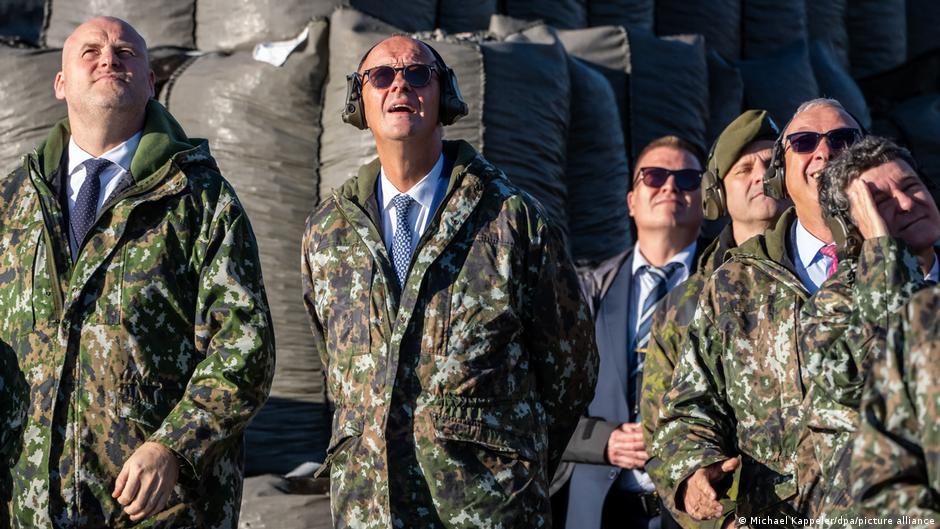
European leaders meeting in Rovaniemi, Finland, have urged a stronger European role in the Arctic, linking the region’s security, infrastructure and economic future to mounting geopolitical and climate pressures.
The summit’s joint declaration called for greater investment in military mobility, cross-border connectivity, critical infrastructure, transport links, digital networks and satellite technologies. Finnish Prime Minister Petteri Orpo also advocated strategic investment in dual-use transport networks, critical raw materials, icebreaking and technological innovation.
EU foreign policy chief Kaja Kallas said Russia was reopening former Soviet military bases and conducting missile exercises in the High North. She also warned that China’s growing interest in the region required continued vigilance. German Chancellor Friedrich Merz described the Arctic as a geopolitical hotspot and linked Russia’s military build-up to alleged hybrid activities.
The security shift follows Russia’s full-scale invasion of Ukraine, which ended much of the previous Western cooperation with Moscow on Arctic scientific research and climate issues. Finland and Sweden subsequently joined NATO, placing Finland’s 1,340-kilometre border with Russia on the alliance’s frontier.
Retreating sea ice is adding pressure to the region’s governance, increasing interest in shipping routes and critical raw materials. Timo Koivurova of the Arctic Centre at the University of Lapland said the Arctic is warming at roughly four times the global average and that climate change now affects decisions across the region.
The European Commission plans to update its 2021 Arctic Strategy in October 2026. The summit declaration reflects the leaders’ call for a more resilient northern policy, but the source does not establish it as a formal decision by all EU member states.