Europe's 2025 Climate Crisis and the Historic Shift to Renewables
The European State of the Climate 2025 report details unprecedented environmental extremes, including nearly 63,000 heat-related deaths, while data from Ember confirms a structural break in the region's energy mix.
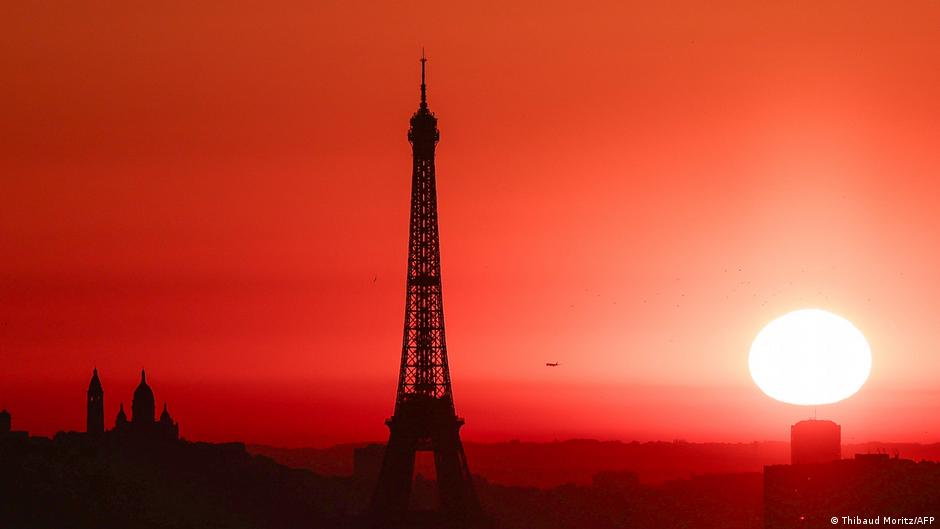
Europe endured unprecedented climate extremes in 2025, a year defined by record-breaking heatwaves, the continent's largest wildfire season, and historically high sea surface temperatures. According to the European State of the Climate 2025 report, published by the EU's Copernicus Climate Change Service and the World Meteorological Organization, at least 95 per cent of the region experienced above-average annual temperatures. The findings indicate that virtually no part of the continent was left untouched by these severe conditions, with the United Kingdom, Norway, and Iceland each recording their warmest year on record.
The human and ecological toll of these extremes has been severe. Estimates from the Lancet Countdown reveal that heat-related deaths reached nearly 63,000 in 2024, with mortality linked to high temperatures increasing in almost 100 per cent of monitored regions since 2014. The physical environment suffered equally, with snow cover loss in March equivalent to the combined size of France, Italy, Germany, Austria, and Switzerland. Furthermore, over 60 per cent of European rivers ran below their average annual flows due to drought, creating the driest soil moisture conditions on record.
Wildfires across the continent were catastrophic, burning more than one million hectares of land. Greece witnessed one of its most severe outbreaks in recent years, with 50 fires igniting within a single 24-hour period. These conditions were exacerbated by the warming of ocean waters, which reached their highest annual average on record for the fourth consecutive year, wreaking havoc on marine biodiversity and disrupting food webs. Celeste Saulo, secretary-general of the World Meteorological Organization, noted that Europe is warming twice as fast as the global average, with far-reaching repercussions on socioeconomic wellbeing and ecosystems.
Despite the environmental devastation, the continent simultaneously accelerated its transition away from fossil fuels, achieving a historic milestone in its energy policy. Data from Ember, a global energy think tank, reports that wind and solar power surpassed fossil fuels for the first time to supply nearly half of the EU's electricity. This shift represents a structural break in the region's reliance on volatile commodities, with solar power specifically setting a new record by contributing approximately 13 per cent of the EU's total electricity generation.
The growth in renewable capacity was universal across the bloc, with every single EU member state recording an increase in its solar grid during 2025. Solar power grew by more than 20 per cent for the fourth consecutive year, accounting for roughly 20 per cent of electricity in nations such as Hungary, Cyprus, Greece, Spain, and the Netherlands. Beatrice Petrovich, senior energy analyst at Ember, described the moment as evidence of how rapidly the EU is moving towards a power system backed by wind and solar, driven by the need to reduce dependencies that feed instability on the global stage.
Samantha Burgess, Strategic Lead for Climate at the European Center for Medium-Range Weather Forecasts, stated that the pace of climate change demands more urgent action. With rising temperatures, widespread wildfires, and drought now presenting a present reality rather than a future threat, the juxtaposition of environmental collapse and rapid decarbonisation highlights the complex governance challenges facing the region. As the EU moves forward with this new energy baseline, the report underscores the critical need to manage the cascading effects of a warming planet while securing a stable power supply.