European powers probe Israeli detention of Gaza flotilla activists amid abuse claims
Authorities in Rome, Berlin, Paris, and Madrid are examining serious accusations of sexual assault and physical abuse against activists detained by Israeli forces, while Jerusalem denies the claims as baseless.
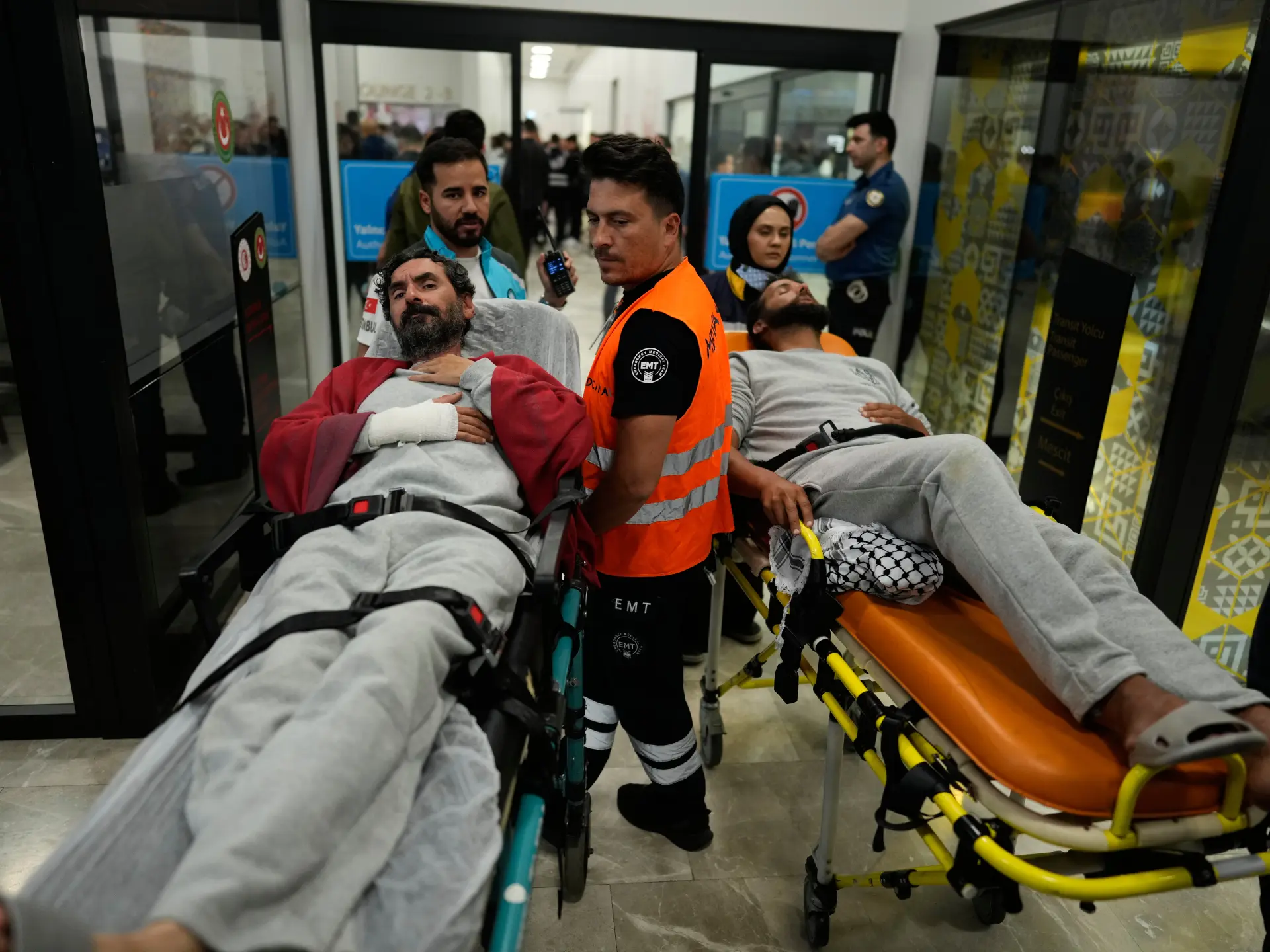
European governments have initiated formal inquiries or expressed grave concern regarding the treatment of citizens detained by Israeli forces during the interception of the Global Sumud Flotilla, following allegations of systematic abuse by the activists. The diplomatic pressure intensifies after organisers reported that at least 15 foreign detainees experienced sexual assault, including rape, alongside severe physical violence such as beatings, tasings, and broken bones.
The crisis began on Tuesday when Israeli naval forces intercepted approximately 430 people aboard 50 vessels in international waters, halting the flotilla’s attempt to deliver aid to the Gaza Strip. Following the detention, Italian prosecutors announced they are investigating potential crimes including kidnapping, torture, and sexual assault. A legal source confirmed that Rome authorities intend to hear testimony from returned activists in the coming days.
Specific accounts from detainees paint a harrowing picture of conditions aboard Israeli prison ships and holding pens. Italian activist Ilaria Mancosu described being locked in a container on a prison ship, where she and others were beaten by soldiers and denied running water, blankets, or most clothing. She reported suffering fractures to her ribs and arms, while others sustained serious injuries to their eyes and ears from tasers.
Italian economist Luca Poggi, speaking to Reuters upon his arrival in Rome, stated that detainees were stripped, thrown to the ground, and kicked, with many tasered and some denied access to legal counsel. French participant Adrien Jouen posted images on Instagram displaying bruises across his back and forearms, corroborating claims of physical mistreatment.
The allegations have drawn sharp reactions from national governments. The German Foreign Ministry stated that consular officials found several German nationals injured upon their arrival in Istanbul, describing the accusations as serious and demanding a full explanation. In France, organiser Sabrina Charik reported that five participants were hospitalised in Turkiye with broken ribs or fractured vertebrae, with some making detailed accusations of sexual violence. Spain’s Foreign Minister Jose Manuel Albares confirmed that four Spanish members had received medical treatment for injuries prior to their return.
Compounding the diplomatic friction, a video released by Israel’s National Security Minister, Itamar Ben-Gvir, showed detained activists cable-tied and kneeling at a holding pen in Ashdod while the national anthem played. Ben-Gvir was seen taunting the detainees, a display that has further inflamed tensions with the affected European states.
In response to the mounting allegations, Israel’s prison service issued a statement denying the accusations. A spokesperson described the claims as false and entirely without factual basis, asserting that all detainees are held in accordance with the law and under the supervision of trained staff. However, the severity of the medical evidence and testimonies provided by European authorities suggests the incident will remain a focal point for international scrutiny.
The Global Sumud Flotilla movement, which emerged in 2006, has seen hundreds of vessels attempt to breach the blockade on Gaza since 2007. While the 2010 interception of the Mavi Marmara resulted in ten deaths, current incidents have predominantly involved injuries and detention. Organisers argue that allegations of mistreatment are part of a broader pattern used to justify crackdowns on solidarity efforts.