European populists pivot from Trump as Orban’s defeat signals realignment
Following Viktor Orban’s electoral loss and Donald Trump’s military actions in Iran, European populist figures are reassessing their alliances, with questions mounting over potential ties to Russia or alternative billionaire backers.

European far-right populist leaders are reportedly distancing themselves from US President Donald Trump, a shift attributed to his decision to attack Iran and his active campaigning against Hungarian Prime Minister Viktor Orban. This political realignment follows Orban’s defeat by his rival Peter Magyar, who is now seeking to unlock more than 10 billion euros in frozen European Union funds.
The source, produced by France 24, suggests that previously pro-MAGA populists are quietly recalibrating their positions. The report highlights that Trump’s active support for Magyar’s opponent contributed to Orban’s exit after 16 years in power, effectively ending Hungary’s status as a hub for MAGA-aligned populists in Europe.
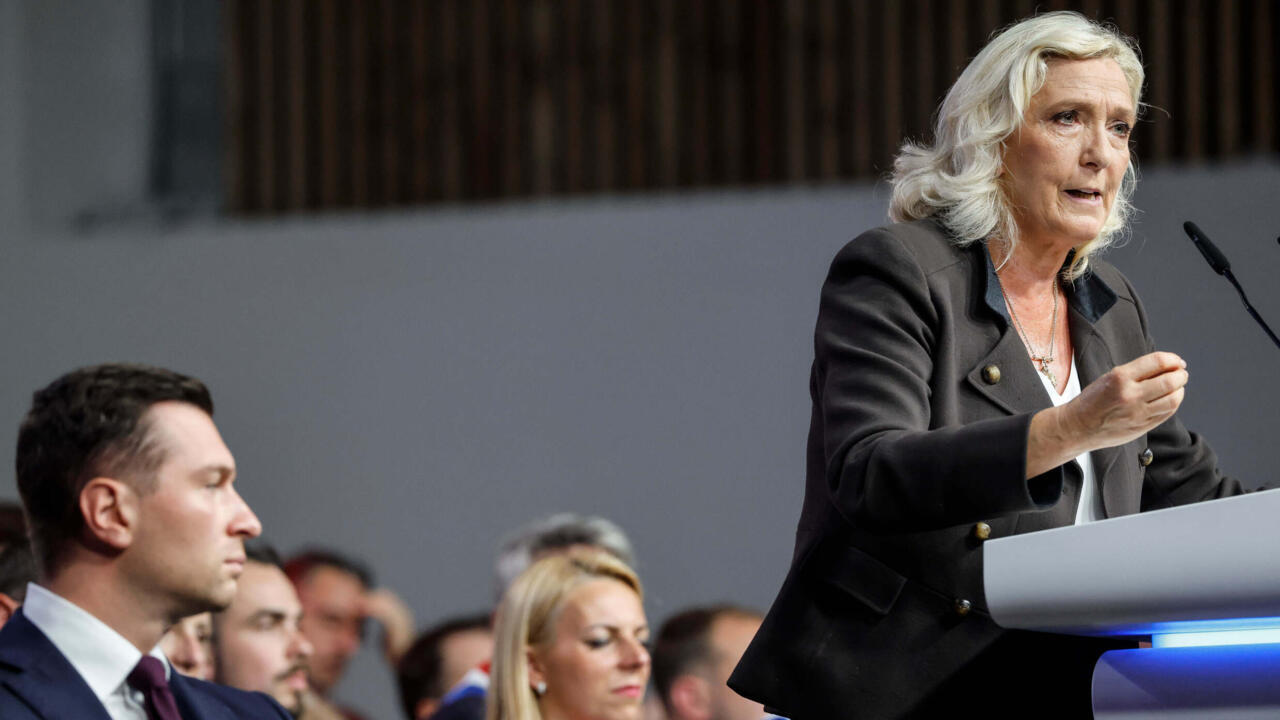
As Budapest moves away from the US president’s orbit, the article questions where fellow travellers in France, Italy, Spain, the Netherlands, and Germany will turn. The narrative probes whether these hardened eurosceptics will instead double down on their affinity for Russian President Vladimir Putin, despite his involvement in the ongoing conflict in Ukraine.
The report also examines the position of Nigel Farage, leader of Reform UK, who has long been associated with Trump. With recent revelations surrounding the British politician, the source raises the possibility that populist figures may seek alternative billionaire backers rather than relying on established superpower relationships.
This shift underscores a broader uncertainty within the European far-right regarding future alliances. As the political landscape evolves, the question remains whether these leaders will align with Putin, other superpowers, or pursue independent financial backing from new benefactors.