European Political Community summit in Armenia marks strategic pivot against US unilateralism
The Yerevan gathering signals a shift from an anti-Putin initiative to a broader resistance against perceived American isolationism, with the EU-Armenia summit set to follow
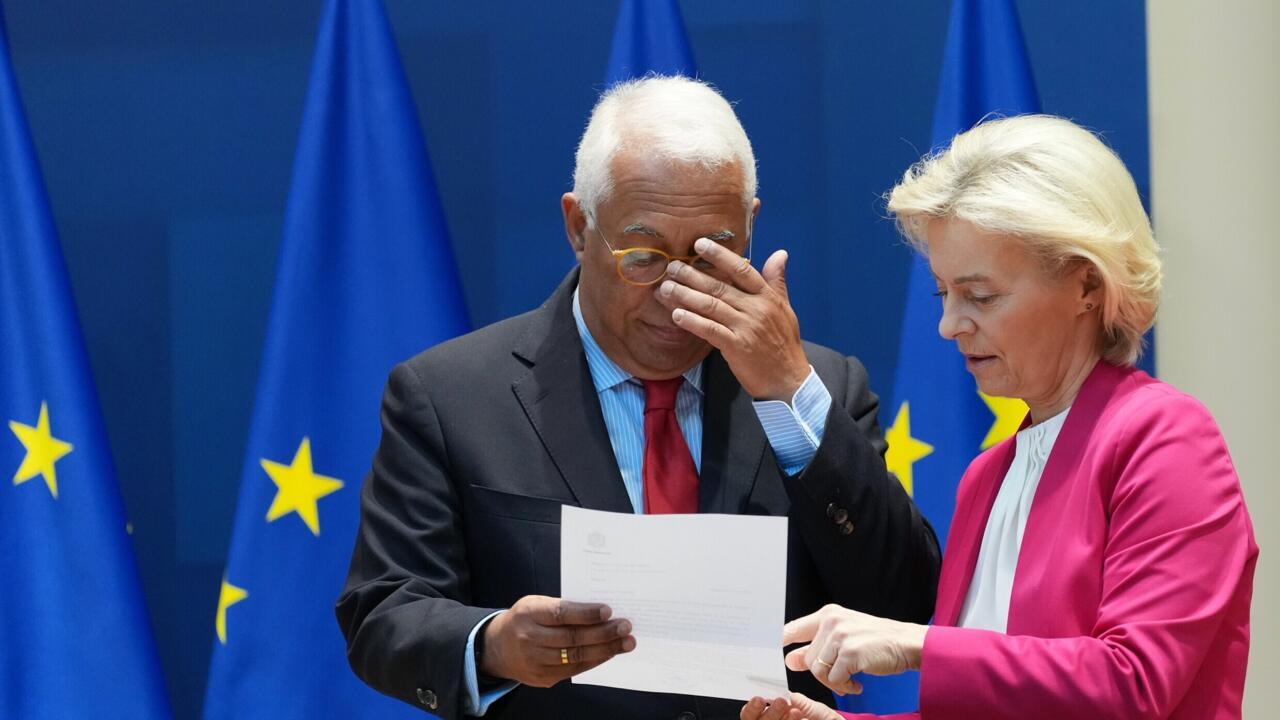
European leaders and Canadian Prime Minister Mark Carney convened in Yerevan on Monday, 4 May 2026, for a European Political Community summit dedicated to security cooperation and geopolitical resilience. The gathering, hosted in the Armenian capital, took place against a backdrop of escalating tensions involving the war in Ukraine, the conflict in Iran, and significant shifts in US policy under President Donald Trump. Notably, this summit marked the first inclusion of a non-European leader, Prime Minister Carney, signalling a strategic pivot towards greater transatlantic unity against perceived US unilateralism.
The event was preceded by an informal dinner attended by most leaders on Sunday and followed by a separate EU-Armenia summit on Tuesday. European Council President Antonio Costa confirmed the attendance of Ukrainian President Volodymyr Zelensky and NATO Chief Mark Rutte, while German Chancellor Friedrich Merz was represented by French President Emmanuel Macron following a diplomatic spat with the United States. The summit took place in Yerevan, highlighting Armenia's strategy of diversification as it seeks to loosen ties with Russia while pursuing closer integration with the European Union, including a formal application for membership declared last year.
Security discussions centred on the ongoing conflicts in Ukraine and Iran, alongside concerns regarding US troop withdrawals from Germany. The Iran war has rattled the global economy by sending energy prices soaring, deepening a rift in transatlantic ties. Following a spat between Trump and German Chancellor Friedrich Merz, who had criticised Washington's handling of the conflict, the United States announced it would withdraw 5,000 US troops from Germany. That development has added to the doubts surrounding the US commitment to defend its European allies as Russian President Vladimir Putin's war in Ukraine grinds into a fifth year.
The invitation to Canada represented a significant departure from the forum's origins. The EPC was established on the initiative of French President Emmanuel Macron in 2022 in response to the invasion of Ukraine and was initially perceived as an anti-Putin club. However, analysts note that with the invitation to Canada, this initiative which was initially driven by geography is now taking on an anti-Trump slant. Prime Minister Carney has emerged as a figurehead for countries looking to stand up to the Republican president, particularly after his speech urging middle powers to join forces in the face of a new global reality defined by great power competition.
Armenia's hosting of the summit underscores its foreign policy recalibration. Under Prime Minister Nikol Pashinyan, Armenia has formally pursued a strategy of what he calls diversification, in which the landlocked country pursues ties with both Russia and the West. This approach comes as relations between Yerevan and its traditional ally Moscow have become strained in recent years, in part because Russian peacekeepers failed to intervene during military conflicts with neighbouring Azerbaijan. The Yerevan gathering is the first of its kind in the Caucasus and comes as Armenia fosters closer ties with Europe while seeking to cautiously loosen itself from Russia's grasp.
The proceedings will be followed Tuesday by an EU-Armenia summit with the bloc's chief officials Costa and European Commission chief Ursula von der Leyen, who described it as a major milestone in the country's rapprochement with Europe. In April the EU established a mission to help the former Soviet nation tackle foreign interference, with Russia suspected of a disinformation push ahead of June elections. Costa says the bloc looks forward to deepening this relationship with the country of three million, which signed a comprehensive partnership agreement with the EU in 2017 and last year declared its intention to apply for membership.