European governments face governance strain as heat dome shatters May temperature records
Record-breaking temperatures driven by a 'heat dome' have triggered public health incidents and forced immediate regulatory changes, with scientists warning that human-induced climate change is altering the continent’s baseline climate conditions.
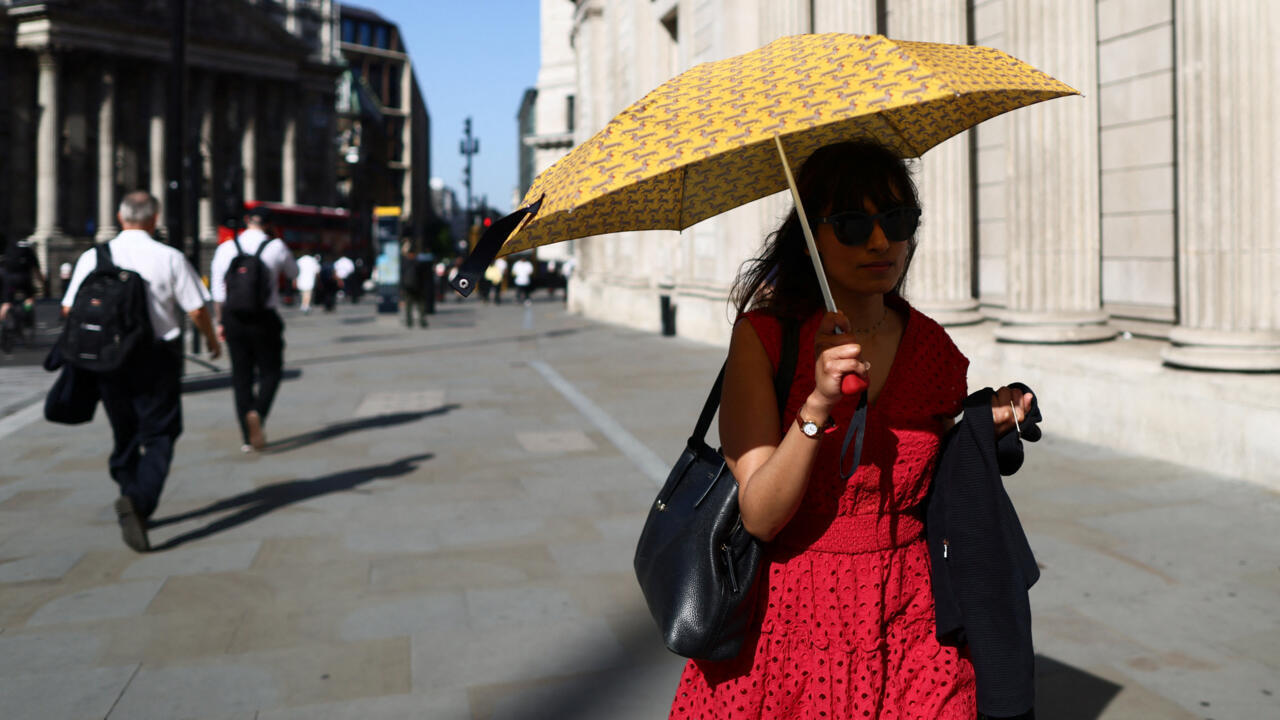
A persistent 'heat dome' has driven unprecedented temperatures across Europe in May, prompting urgent policy adjustments and highlighting vulnerabilities in national infrastructure. The United Kingdom and France recorded their hottest days for the month since records began, while Spain and Italy issued heat alerts and imposed immediate restrictions on outdoor labour. The extreme weather event, characterised by a high-pressure system trapping warm air from northern Africa over western Europe, has pushed seasonal norms well beyond historical averages.
In the United Kingdom, the Met Office recorded 34.8C at Kew Gardens in southwest London, marking a new May record that exceeded the previous high by two degrees. The agency described the conditions as exceptional even for mid-summer, noting that temperatures were significantly higher than the typical May average of 17C to 18C. Met Office meteorologist Greg Dewhurst stated that the surge in extreme temperatures served as a clear indication of climate change in action, suggesting such events were likely to become the new norm.
France experienced similarly severe conditions, with Meteo-France confirming that Monday was the hottest May day on record for the country. Temperatures across French regions ranged from 33C to 36C, with Paris reaching 31.9C on Saturday. The intensity of the heat led to significant public health incidents, including a death during a 10-kilometre running race in Paris and ten critical hospitalisations following a race in the suburb of Maisons-Alfort. In response, French Prime Minister Sebastien Lecornu scheduled a meeting with key ministers to review government preparations for the ongoing heatwave.
Southern European nations have moved quickly to implement regulatory safeguards. In Italy’s Lazio region, which includes Rome, authorities approved rules limiting outdoor work during prolonged sun exposure between 12:30 pm and 4:00 pm. These measures, which apply to sectors including farming, construction and logistics until September 15, represent a tightening of previous protocols that only began in late May last year. Similarly, Spain’s State Meteorological Agency (Aemet) warned of extraordinarily high temperatures continuing through the week, with peaks expected between 36C and 38C from Wednesday to Friday.
Scientists attribute the increasing frequency and severity of these heat events to human-induced climate change, noting that Europe is warming faster than the global average. This trend has raised concerns about long-term infrastructure resilience, with UK climate advisers recently warning that the country was built for a climate that no longer exists. The current crisis follows the UK’s first-ever temperatures above 40C in 2022, underscoring the urgent need for adaptation in public services such as schools and hospitals to cope with a warming planet.