European defence posture shifts as NATO chief confirms response to US troop cuts
NATO Secretary-General Mark Rutte has confirmed that European leaders have understood the directive from US President Donald Trump regarding defence commitments, following the announcement of a troop withdrawal from Germany. Rutte noted that Europe is stepping up its role and defence spending, with nations pre-positioning assets in the Gulf. The US has accused allies of insufficient support for the US-Israel war on Iran, while Spain has refused to allow US attacks from its territory.
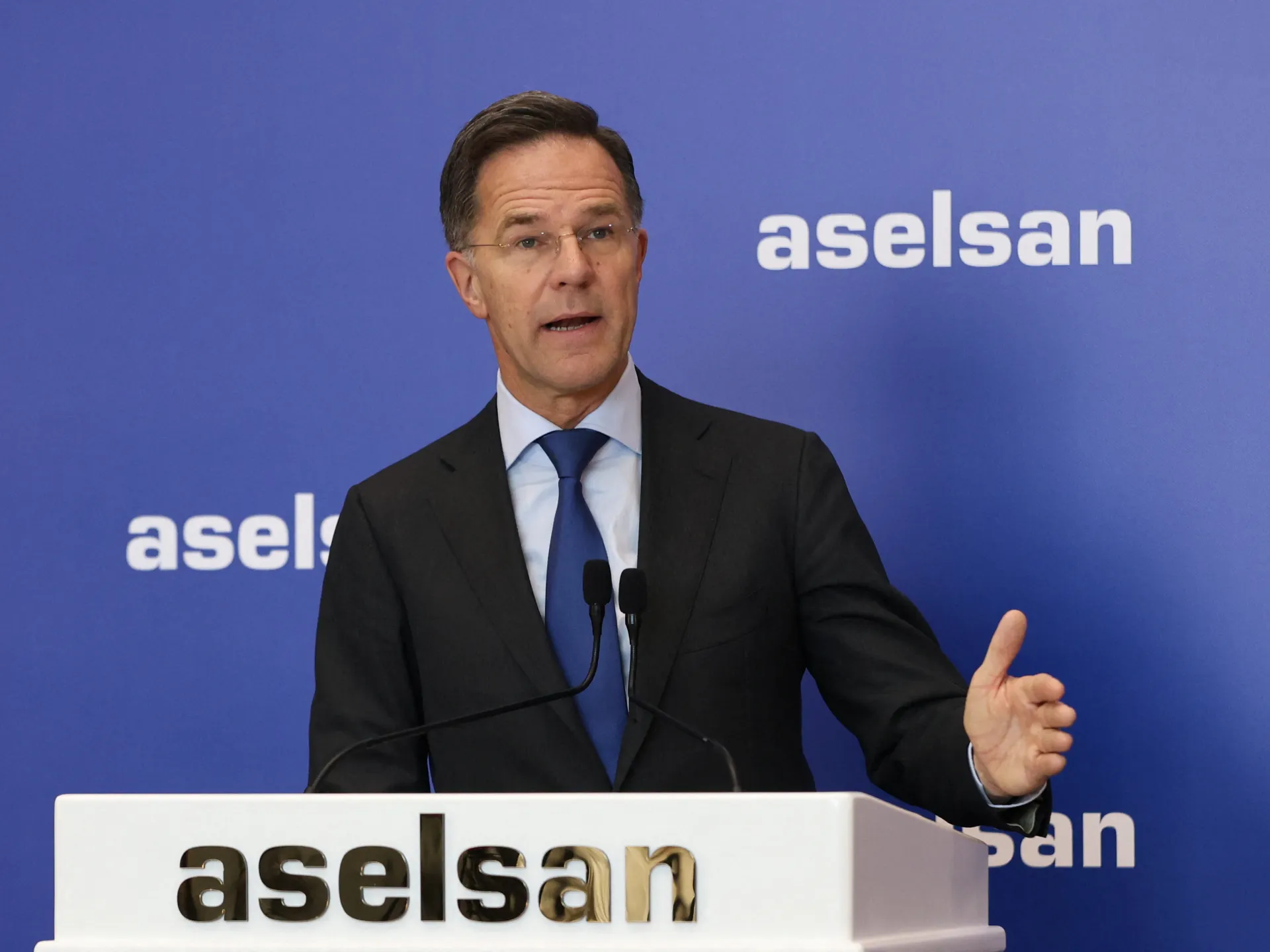
NATO Secretary-General Mark Rutte has confirmed that European leaders have understood the message from US President Donald Trump regarding defence following the announcement of a troop withdrawal from Germany. Speaking ahead of a European Political Community meeting in Armenia, Rutte acknowledged disappointment from the US side but asserted that European leaders have heard the message loud and clear. He stated that Europe is now responding by stepping up its role within the alliance and increasing defence spending.
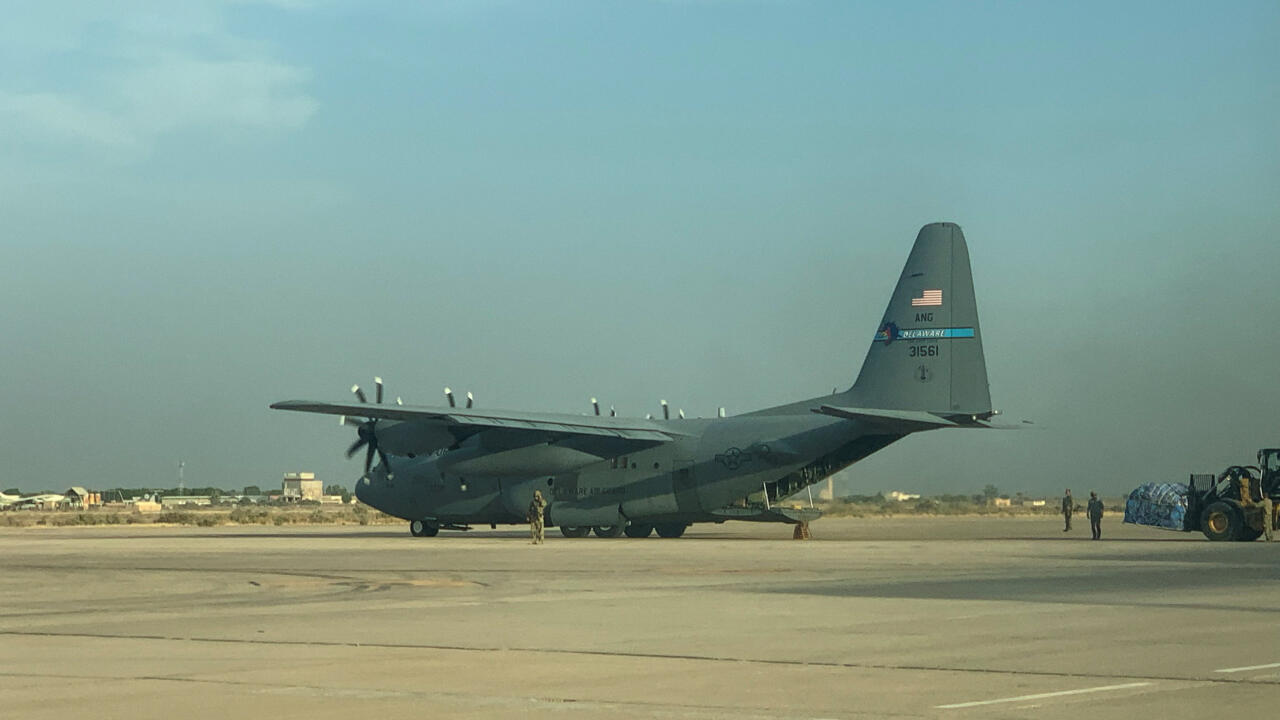
The shift in posture comes after the Pentagon announced plans to withdraw 5,000 soldiers from Germany, a move driven by Washington's frustration that NATO allies are not providing sufficient support for the ongoing US-Israel war on Iran. German Chancellor Friedrich Merz described the timing of the announcement as a surprise, comparing the current conflict in Iran to previous US military quagmires in Iraq and Afghanistan, noting the significant economic cost to the region.
In response to the changing security landscape, European nations are actively pre-positioning military assets in the Gulf region. Rutte indicated that these preparations include minehunters and minesweepers, positioning them for the next phase of the conflict. This strategic adjustment marks a move toward a bigger role for Europe within the NATO framework, as several leaders gathered in the Armenian capital to discuss strengthening common solutions.
European Union top diplomat Kaja Kallas emphasised the urgent need to strengthen the European pillar of NATO, noting that American troops in Europe serve both European and American interests. French President Emmanuel Macron and European Commission President Ursula von der Leyen have publicly called for increased military capabilities and common European solutions to defend national interests against perceived threats.
Tensions have further complicated the diplomatic environment, with Spain refusing to allow US attacks on Iran from its airspace or bases. Prime Minister Pedro Sanchez condemned the war as unjustified, prompting Trump to call Spain terrible and threaten to end all trade ties. Despite this friction, Rutte stated that more and more European nations are taking their destiny into their own hands, increasing their defence and security spending.
The European Union's top diplomat, Kaja Kallas, called the announcement's timing a surprise, stating that it shows the necessity to really strengthen the European pillar in NATO. She stressed that American troops are not in Europe only for protecting European interests but also American interests, highlighting the complex interdependence of the alliance. As the situation evolves, officials in the 32-nation military alliance are working with the US to understand the details of their decision on force posture in Germany.