European Council restores full trade ties with Syria following regime change
The 27-nation bloc aims to support economic recovery after nearly 14 years of conflict, with trade volumes set to rebound from 2023 lows
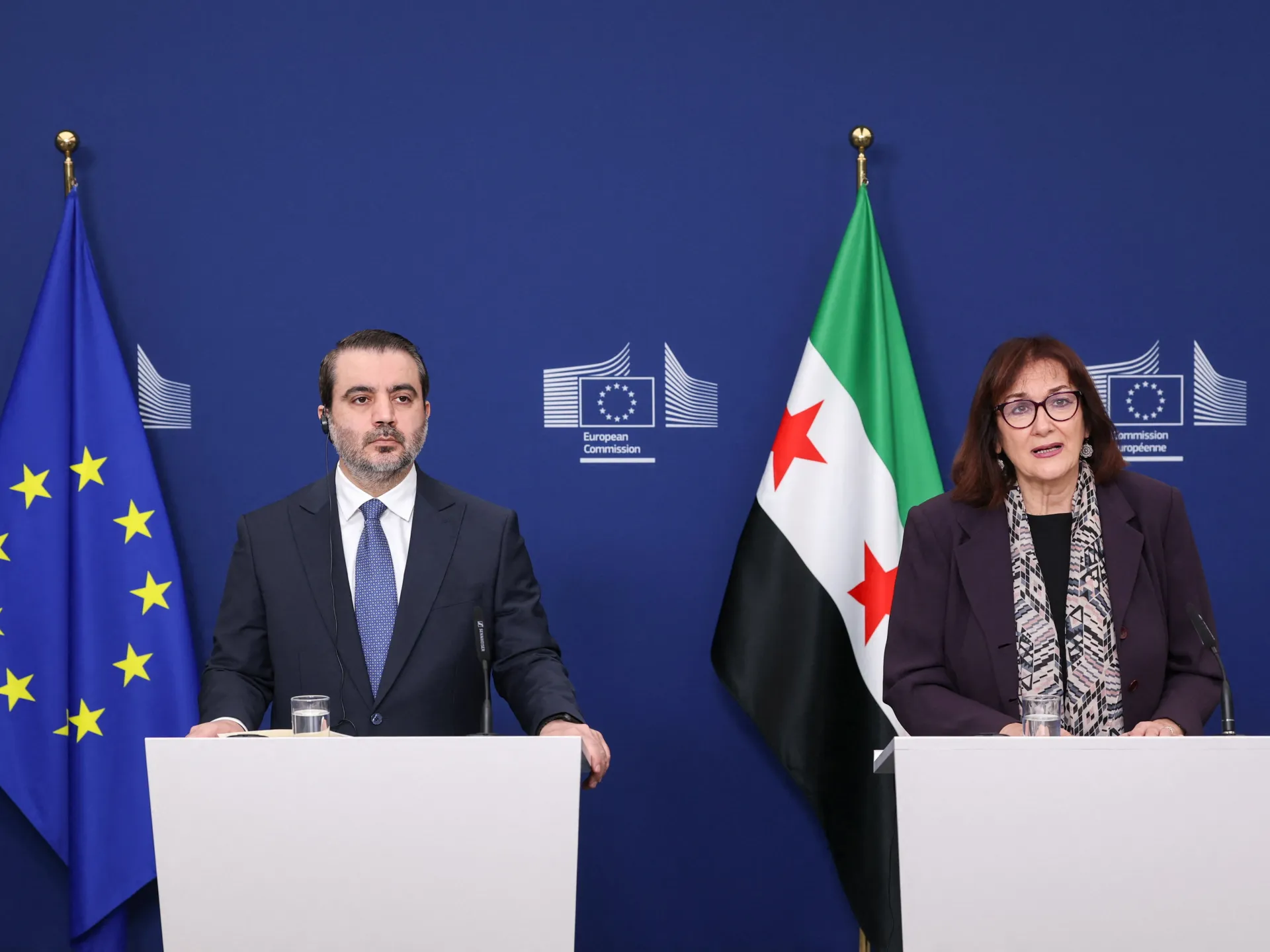
The European Council has formally terminated the partial suspension of its cooperation agreement with Syria, a move that restores full trade ties between the 27-nation bloc and the country. This decision marks a significant shift in institutional relations, occurring shortly after the removal of Bashar al-Assad in December 2024 and the subsequent assumption of power by interim leadership under Ahmed al-Sharaa.
In a statement released on Monday, the European Council described the restoration of ties as sending a clear political signal of its commitment to re-engage with Syria and support its economic recovery. Concurrently, EU foreign ministers met with Syrian diplomat Asaad al-Shaibani in Brussels to initiate a high-level political dialogue, a process that begins 18 months after the ouster of the former strongman.
The diplomatic reset comes against a backdrop of severely contracted commerce. While trade volumes peaked at over 7 billion euros in 2010, the agreement was partially suspended in 2011 following the crackdown on antigovernment protests that sparked the civil war. By 2023, EU imports from Syria had dwindled to 103 million euros and exports to the country stood at 265 million euros, highlighting the extent of the economic collapse prior to this policy adjustment.
European Commission chief Ursula von der Leyen has pledged to do everything possible to support the nation's recovery, building on a meeting with interim President al-Sharaa in Damascus earlier this year. The commission previously proposed that EU states fully reactivate the bloc's cooperation agreement, a deal that originally abolished duties on imports of most industrial products from Syria.
The restoration of trade ties intersects with complex migration dynamics, particularly for Germany, which hosts the EU's largest Syrian community of over one million people. Chancellor Friedrich Merz recently faced political backlash after suggesting that 80 per cent of refugees could return within three years, a figure he attributed to al-Sharaa himself.
While the European Council emphasises the pragmatism of the new Syrian leadership in avoiding regional provocations, the specific timeline and conditions for the full implementation of the restored trade ties remain un detailed in current reports.