European carriers cancel summer flights as Middle East conflict disrupts fuel supply chains
While France and the EU maintain strategic reserves, rising jet fuel prices threaten airline profitability and could force further cancellations this summer.
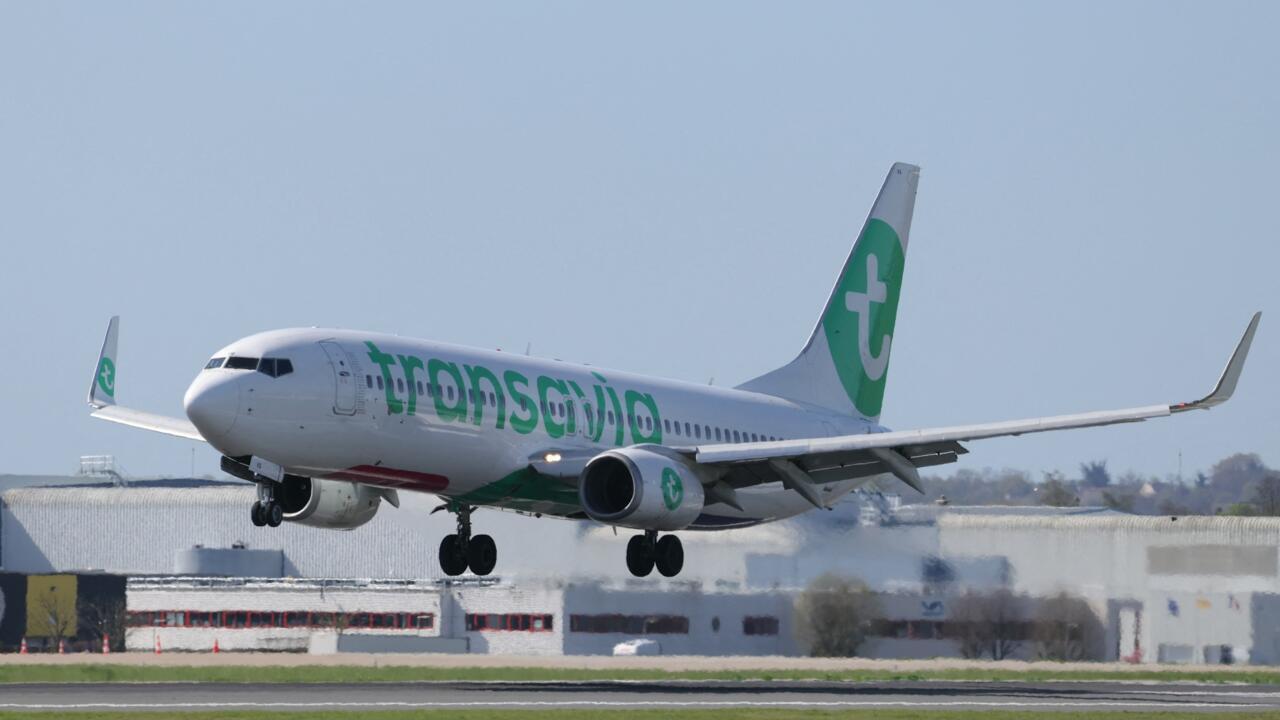
Low-cost carrier Transavia has become the latest airline to announce flight cancellations for May and June, marking a significant escalation in the disruption to European air travel. Citing skyrocketing kerosene prices and logistical difficulties in importing fuel from Gulf countries, the carrier joins Ryanair and Volotea in prioritising financial viability over service continuity. This decision follows a period of heightened concern since mid-April, when the head of the International Energy Agency warned that Europe might have only six weeks of jet fuel remaining due to the ongoing war in the Middle East and the blockade in the Strait of Hormuz.
The root of the crisis lies in the severe disruption to global oil markets, which has caused kerosene prices to more than double. While the continent produces very little oil and has reduced its refining capacity in recent years, it remains heavily dependent on importing refined products from overseas. The blockade has specifically choked off supplies of both crude oil and refined Jet A-1, the standard aviation fuel, forcing airlines to operate on razor-thin margins. As peace talks between the US and Iran stall, the uncertainty surrounding traffic through the Strait of Hormuz continues to weigh heavily on the industry.
France currently holds a relative advantage compared to its neighbours, such as the United Kingdom, due to its robust pipeline network connected to North American crude sources. This infrastructure allows the country to bypass some of the bottlenecks affecting other nations that rely heavily on imports from Saudi Arabia, the United Arab Emirates, and Kuwait. A senior executive at Aéroports de Paris confirmed that the two major airports, Orly and Charles de Gaulle, are well-positioned to avoid immediate shortages, relying on a direct network of pipelines and a terminal in Le Havre.
Despite these logistical advantages, the French government acknowledges that the situation remains precarious. A spokesperson for the Ministry of Energy stated that while there is no immediate risk of a shortage in the coming weeks, the nation holds approximately two million barrels of strategic stock, sufficient to cover two months of operations. In addition, commercial stockpiles stored at airports provide a buffer for around ten days, with reserves of crude oil available to be converted into jet fuel if necessary. However, officials warn that if the conflict drags on, these reserves may be depleted by autumn.
The European Commission has responded by announcing plans for collective action to maximise refinery production and monitor kerosene supply across the single market. The goal is to preserve the functioning of the aviation sector and ensure continuity of supply, though the measures may prove insufficient to prevent further economic strain. As the cost of kerosene continues to rise, the focus shifts from mere availability to affordability, with experts noting that fuel accounts for up to 40 per cent of the total cost of an airline ticket.
For passengers, the implications of these cancellations are significant, particularly regarding compensation rights. Under current EU law, airlines are not obligated to pay compensation for cancellations caused by extraordinary circumstances, such as the war in the Middle East. However, carriers must still offer refunds or the option to reschedule flights without extra fees if they notify passengers at least 14 days in advance. As airlines cancel less profitable routes to manage costs, travellers should expect higher ticket prices and reduced connectivity for the remainder of the summer season.