EU unveils fertiliser action plan as Iran conflict drives input costs to 2026 highs
The European Commission has introduced emergency liquidity schemes and duty suspensions to shield farmers from nitrogen prices 70 per cent above 2024 averages, though internal divisions persist over carbon levies and stockpiling strategies.
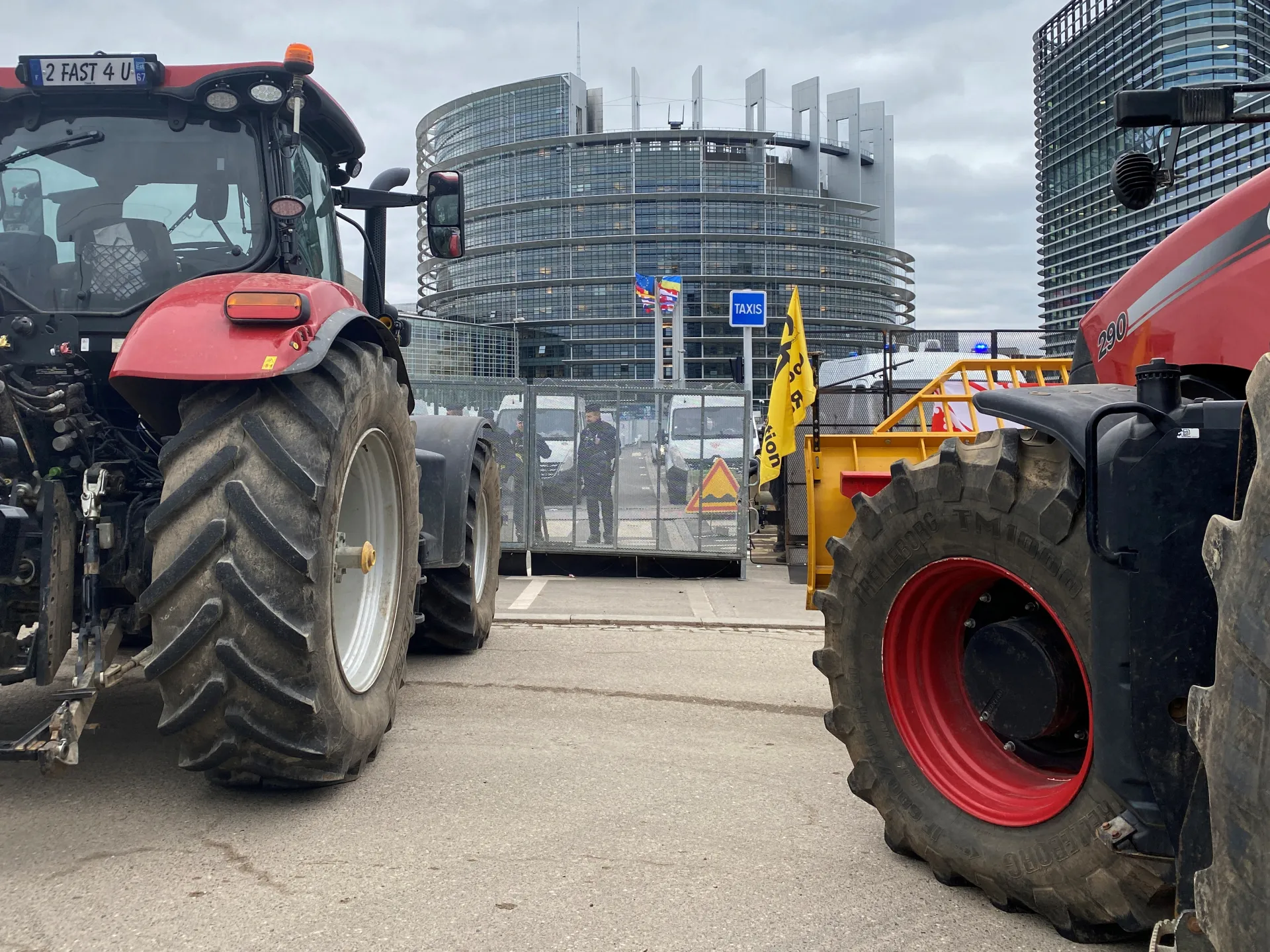
European Union agriculture ministers have gathered in Brussels to address the escalating impact of the war on Iran on global fertiliser supply chains. The European Commission has introduced a comprehensive Fertiliser Action Plan designed to support farmers facing significant cost increases driven by disruptions to the Strait of Hormuz, a vital route for global trade. The initiative aims to bolster domestic production, reduce import dependence, and mitigate the financial strain on agricultural sectors already grappling with high input costs.
The action plan features emergency financial support drawn from the EU agricultural budget, alongside liquidity schemes and more flexible advance payments under the Common Agricultural Policy. In a second major measure, the EU has suspended import duties on certain nitrogen fertilisers, including urea and ammonia, from countries other than Russia and Belarus. Reuters estimates this suspension could save importers approximately €60 million ($68 million), providing immediate relief to a sector where nitrogen fertiliser prices in Europe are currently running about 70 per cent above their 2024 average.
The price surge is largely attributable to increased gas costs, as European nitrogen fertiliser production remains heavily dependent on imported gas. Disruptions in the Gulf region have pushed up global energy prices, making domestic production less profitable. This vulnerability was starkly highlighted during the 2022 energy crisis, when soaring gas prices forced several European fertiliser plants to scale back output or shut down temporarily. While the EU imports large volumes of fertiliser, including 6.7 million tonnes of nitrogen fertilisers and mixtures in 2024, the direct shortage risk is lower than in regions more dependent on Gulf supplies.
However, the impact is unevenly distributed across the bloc. Ireland is identified as particularly vulnerable due to its heavy reliance on imports and lack of domestic production, having imported 1.7 million tonnes of fertiliser in 2025. Its livestock-heavy farming system requires significant nitrogen inputs for grassland management, leaving farmers exposed to international price swings. In contrast, Finland and Sweden are enhancing their preparedness, with Finland maintaining existing stockpiles and Sweden announcing new plans to stockpile fertiliser, seeds, and grain as part of its "total defence" strategy following its NATO accession.
Political divisions within the EU complicate the response. Italy and France are seeking relief from the Carbon Border Adjustment Mechanism, arguing that carbon levies add unnecessary costs during a crisis. Conversely, Poland and Germany, home to major nitrogen fertiliser producers, oppose measures that might weaken protections for domestic industry. Environmental groups have also cautioned against weakening nitrogen pollution rules, warning of potential health and environmental costs from excess nitrates in water supplies. Officials note that while an immediate food price shock is not expected, the effects of higher fertiliser costs could materialise in supply chains later in the year, potentially fueling rural discontent.