EU unlocks €16bn in frozen funds for Hungary following political transition
The European Commission has agreed to release over €16 billion in previously frozen funds to Hungary, contingent on the new government’s implementation of institutional reforms and adherence to EU democratic standards.
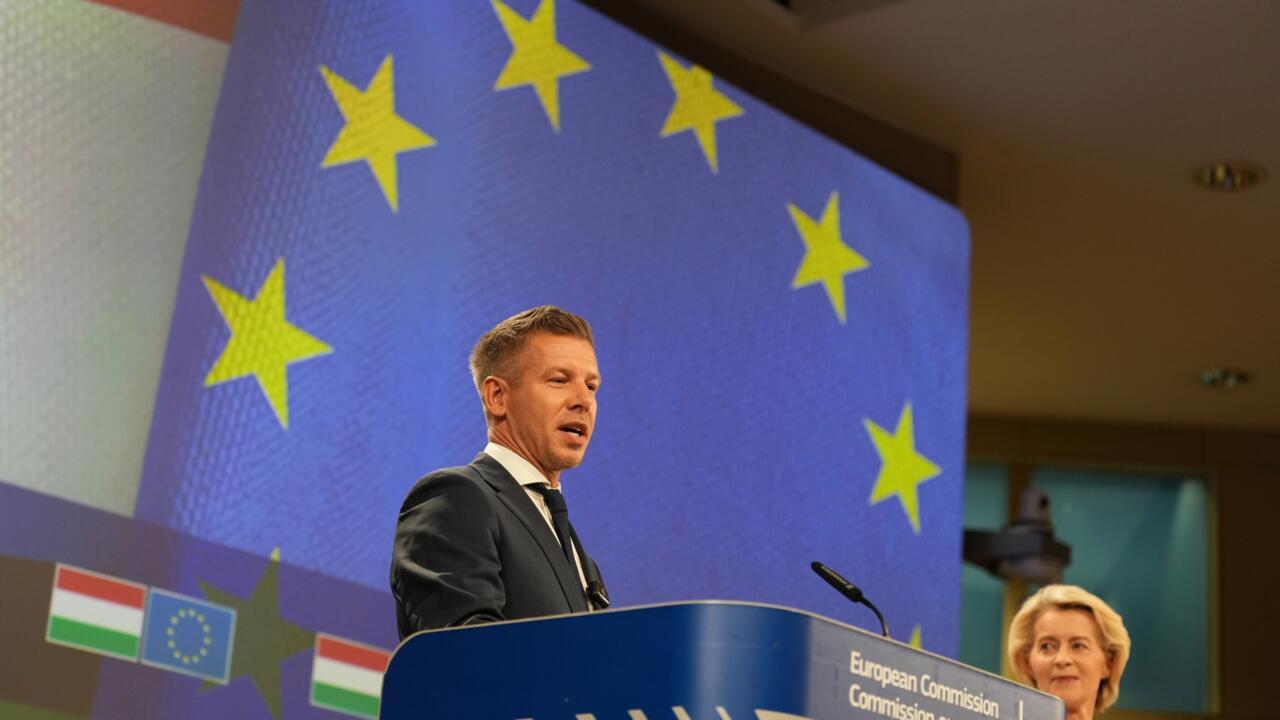
The European Union has agreed to release more than €16 billion in previously frozen funds to Hungary, marking a significant shift in Brussels’ relationship with Budapest following the election of pro-European Prime Minister Peter Magyar. EU Commission President Ursula von der Leyen announced the decision in Brussels on Friday, 29 May 2026, citing "long overdue reforms" implemented by the new government. The funds were frozen under former Prime Minister Viktor Orban due to concerns regarding democratic backsliding, corruption, and the treatment of LGBTQ rights.
The release of funds is conditional on the implementation of agreed reforms, including Hungary's decision to remain in the International Criminal Court and the approval of the Budapest Pride parade. Magyar, who defeated Orban in April, stated the money would be used to rebuild the economy, restore public services, and strengthen competitiveness for small and medium-sized enterprises. The bulk of the frozen funds, just over €10 billion, originates from the EU’s Covid recovery fund, with Hungary required to present a new plan to secure them by the end of August 2026.
Von der Leyen praised the speed of the transition, telling a press conference that a "strong wind of change" was already evident across Hungary. She noted that in only a few weeks, the new leadership had driven forward reforms that had been stalled for years. The announcement serves as a major political win for Magyar, who has been eager to demonstrate tangible progress in securing the badly needed money to revive Hungary’s flagging economy.
The new government inherited a budget deficit projected to reach 6.2 percent of GDP in 2026, attributed to heavy pre-election spending by the previous administration. Under Orban’s rule, the Constitutional Court, Public Prosecutor’s Office, and Court of Audit were kept under tight control, with allies appointed to key positions. Orban, who maintained close ties to Moscow and was described by von der Leyen as a "thorn" in the EU’s side, had seen approximately €18 billion in funds frozen due to allegations of graft and democratic erosion.
In a similar scenario, the EU had unlocked billions of euros for Poland in 2024 after the election of pro-European Prime Minister Donald Tusk, following similar assurances of reform. The release of funds is intended to help Brussels push ahead with files previously blocked by Budapest, such as membership talks with Ukraine. Magyar’s party holds a large majority in parliament, and his administration has already begun initial reforms, including voting to drop Orban’s plan to withdraw from the International Criminal Court. Additionally, Hungarian police announced they would not ban the upcoming Pride parade in Budapest, reversing a decision made under the previous administration.