EU unlocks €16.4 billion in frozen funds for Hungary following political transition
European Commission President Ursula von der Leyen confirms release of recovery and cohesion funds after talks with Prime Minister Peter Magyar, marking a significant shift in Brussels-Budapest relations.
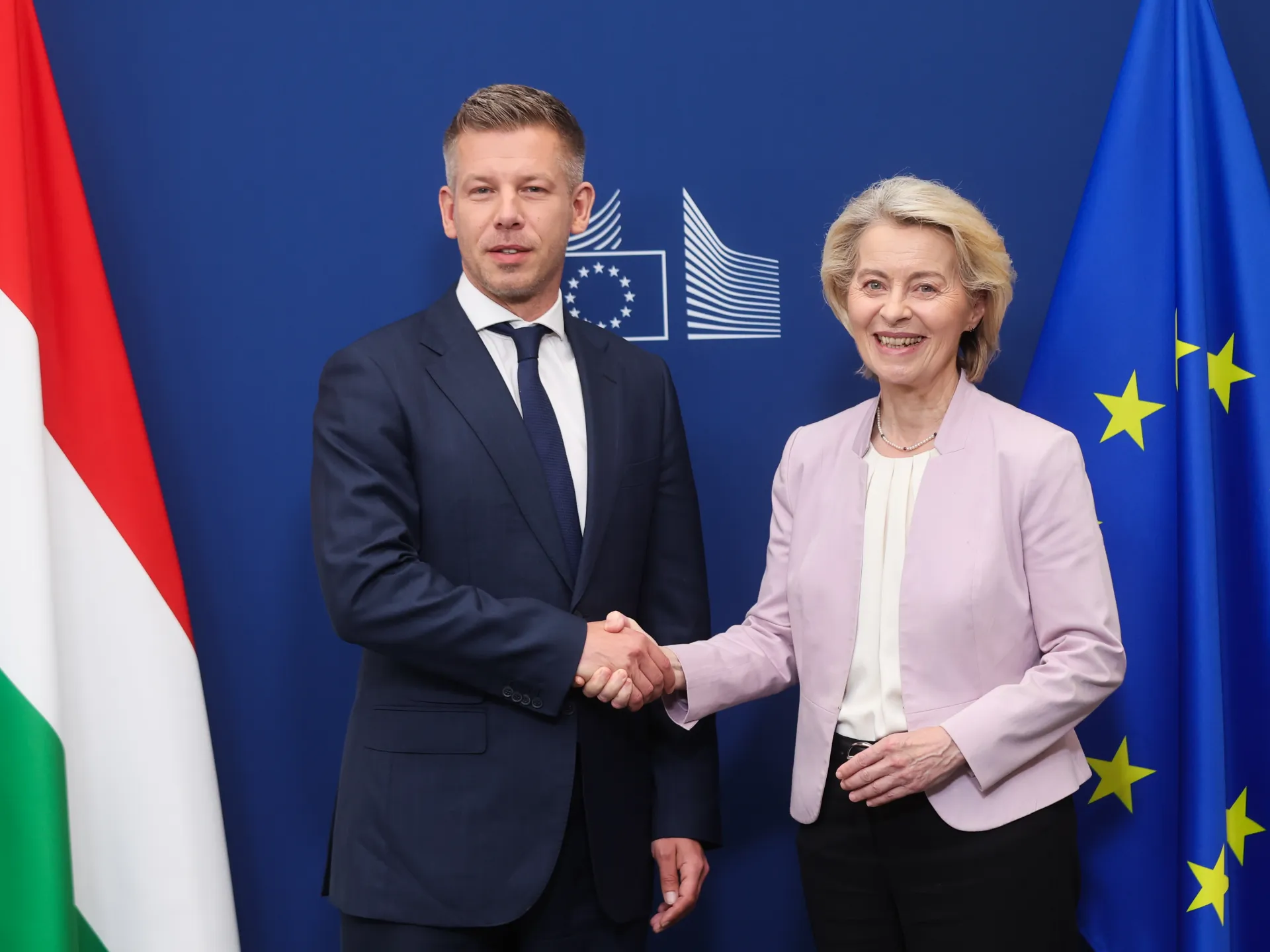
The European Union has agreed to release €16.4 billion ($19 billion) in previously frozen funds to Hungary, marking a significant shift in financial relations following the election of Prime Minister Peter Magyar. The package comprises €10 billion from the Next Generation EU recovery fund and €4.2 billion in cohesion funds, with a further €2.2 billion contingent on the completion of specific reforms. These funds were originally frozen under former leader Viktor Orban due to concerns regarding democratic backsliding, corruption, and LGBTQ rights.
Magyar, who won the April election on a pledge to secure EU funding, described the agreement as a "historic" breakthrough. Initial reforms include dropping plans to withdraw from the International Criminal Court and allowing Budapest's Pride parade to proceed. The EU money represents approximately 13 percent of Hungary's budget, with the first disbursement expected before the end of the year if all steps are completed by the August deadline.
European Commission President Ursula von der Leyen confirmed the release of the funds following talks with Magyar in Brussels. She stated that the Hungarian people "deserve" the funds, citing the "outstanding work" and "strong wind of change" observed in the country under Magyar’s leadership. Von der Leyen noted that Magyar had driven forward long-overdue reforms in only a few weeks, reversing the policies that had led to the initial freeze of approximately €18 billion.
The initial legislative changes implemented by the new administration include a parliamentary vote to abandon Orban’s plans to withdraw from the International Criminal Court. Additionally, police authorities have lifted the ban on next month’s Pride parade in Budapest, a reversal of the restrictions imposed under the previous government. These steps were identified by EU officials as critical indicators of the policy shift required to unlock the frozen assets.
Magyar pledged to utilise the released capital to rebuild the economy, restore public services, and strengthen the competitiveness of Hungarian small and medium-sized enterprises. The bulk of the frozen funds originated from the EU’s COVID-19 recovery fund, for which Hungary was required to submit a new plan by the end of August. EU officials indicated that if all required steps are completed by this deadline, the first disbursement of funds could occur before the end of the year.