EU resumes Ukraine accession talks after Hungary lifts veto
All 27 member states agree to open 'fundamentals' cluster, though Hungary rejects fast-track path and flags potential referendum
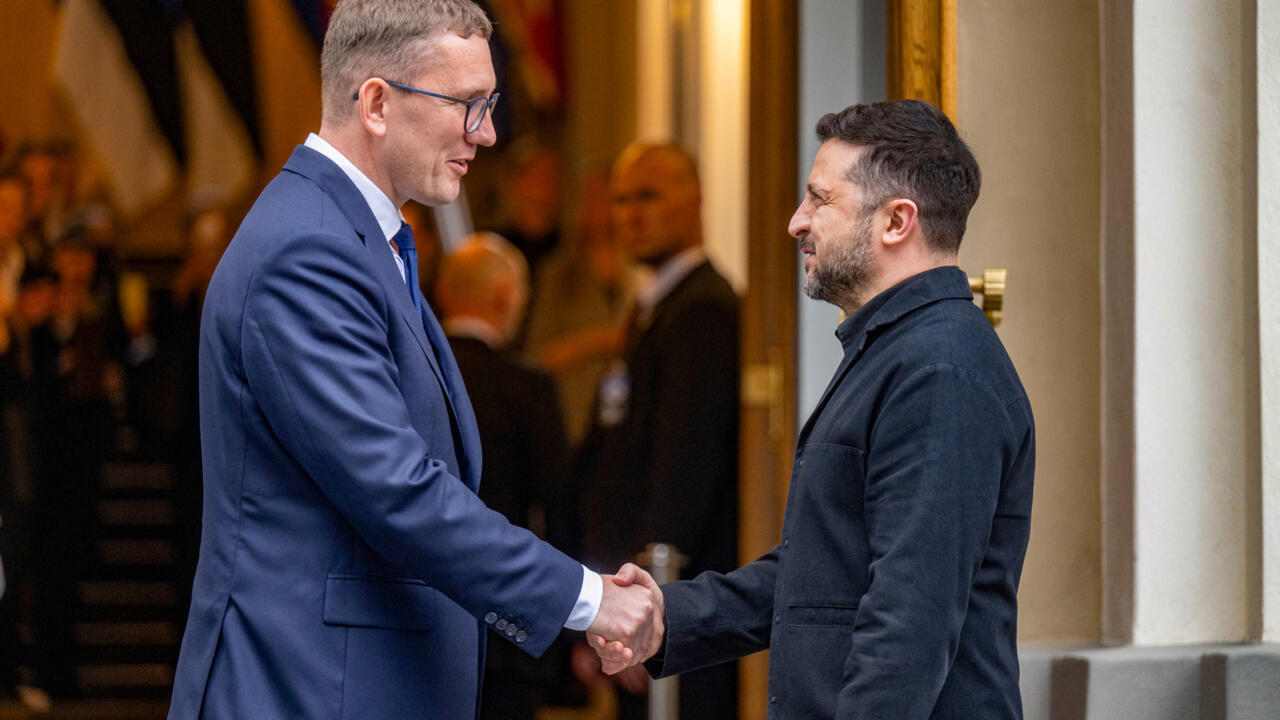
The European Union will resume membership negotiations with Ukraine and Moldova on Monday, following the withdrawal of a veto by Hungary’s new government. The decision marks the opening of the first phase of accession talks, specifically the "fundamentals" cluster covering rule of law and basic institutional principles.
European Council President Antonio Costa and European Commission President Ursula von der Leyen confirmed the agreement in a joint statement on Friday. They described the move as a recognition of the reforms advanced by Kyiv and Chisinau, stating that enlargement remains a strategic choice for the bloc amid global uncertainty.
The veto had been imposed by former Hungarian Prime Minister Viktor Orban, whose pro-Russian government bitterly opposed Ukrainian membership and blocked concrete progress for an extended period. Orban was ousted in an election in April, leading to the formation of a new administration under Prime Minister Peter Magyar.
Magyar’s government lifted the block after reaching a bilateral deal regarding the rights of Ukraine’s Hungarian ethnic minority. The new prime minister has proposed a summit with Ukrainian President Volodymyr Zelensky in June to further reset relations between the neighbours.
Despite lifting the veto, Magyar has made it clear that Hungary does not support a fast-track procedure for Ukraine’s accession. The new government indicated it would hold a referendum on Ukraine’s membership if the candidate country succeeds in closing all 33 accession chapters within the next 10 to 15 years.
Accession negotiations were formally opened in June 2024, initiating a complex process that typically spans years. The current phase focuses on the fundamentals, while subsequent talks will cover specific sectors including agriculture and the judiciary.
The resumption of talks is viewed as a significant political signal of support for Kyiv, which has been fighting Russia’s full-scale invasion since 2022. However, the timeline for actual membership remains uncertain, dependent on the successful completion of a lengthy and rigorous negotiation process.