EU recommends suspension of methane penalties for oil and gas firms
The European Commission has advised member states to halt fines for methane emission breaches between 2027 and 2030, following intense pressure from Washington and other producing nations amid the ongoing crisis triggered by the US-Iran war.
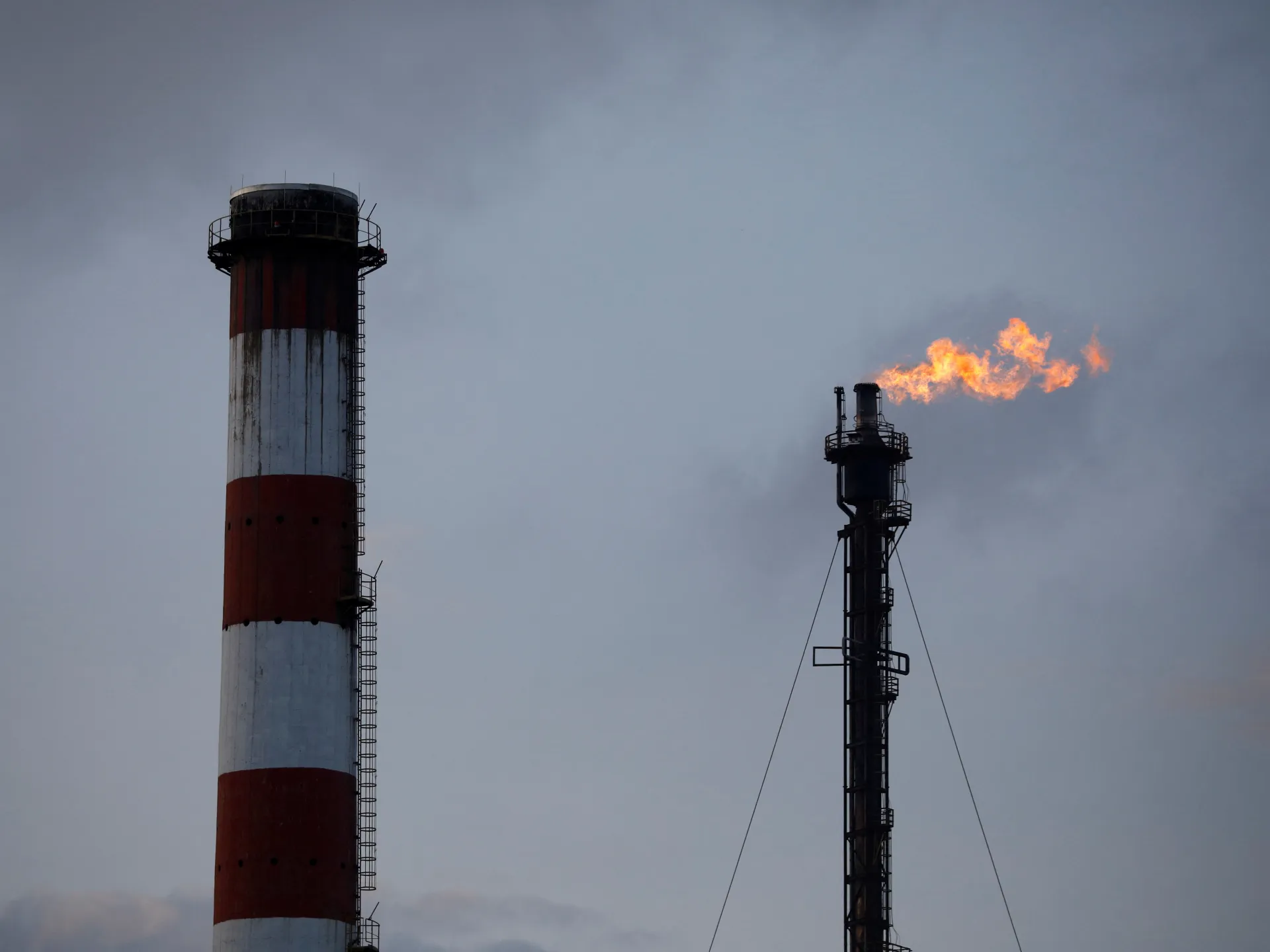
The European Commission has recommended that EU member states suspend penalties for oil and gas companies breaching methane emissions standards for the period of 2027 to 2030. The decision, issued on Monday, follows significant pressure from the United States, other producing nations, and industry groups, who cited the need to ensure energy security amid a crisis triggered by the US-Iran war and a blockade of the Strait of Hormuz.
The EU Methane Regulation, which was due to take effect at the start of next year, would have imposed fines of up to 20 percent of annual turnover for non-compliance with European-equivalent emissions monitoring rules. The Commission stated that the suspension aims to prevent supply disruptions while allowing importers time to comply with monitoring rules, noting that all other obligations under the Regulation remain in force.
US Energy Secretary Chris Wright, alongside representatives from Algeria, Nigeria, and Qatar, wrote to the EU in June warning of potential supply disruptions if penalties were enforced. A coalition of 17 EU member states also formally requested a delay to the law, arguing that the current geopolitical realities are reshaping the global energy system and that methane, while the second-greatest contributor to climate change, must be balanced against immediate security concerns.
The Commission noted that the recommendation is not legally binding, although courts are required to take it into account when adjudicating related cases. The pause is intended to address "global energy markets tightness" and the ongoing blockade of the Strait of Hormuz, which has already disrupted oil and gas flows for several months and exacerbated fears of supply shortages.
Environmental groups have publicly opposed the suspension, urging Brussels to maintain the penalties to uphold climate commitments. However, the Commission argued that the current context of global energy market tightness necessitates the temporary measure, leaving the long-term impact on emission reduction targets and the implementation by individual member states uncertain.