EU permits Ukraine to use €6bn tranche for Chinese drone parts amid supply shortages
The European Commission has granted permission for Ukraine to utilise a portion of a scheduled €6 billion financial tranche to procure specific goods experiencing scarcity within the European market, explicitly allowing for the purchase of drone parts from Chinese suppliers.
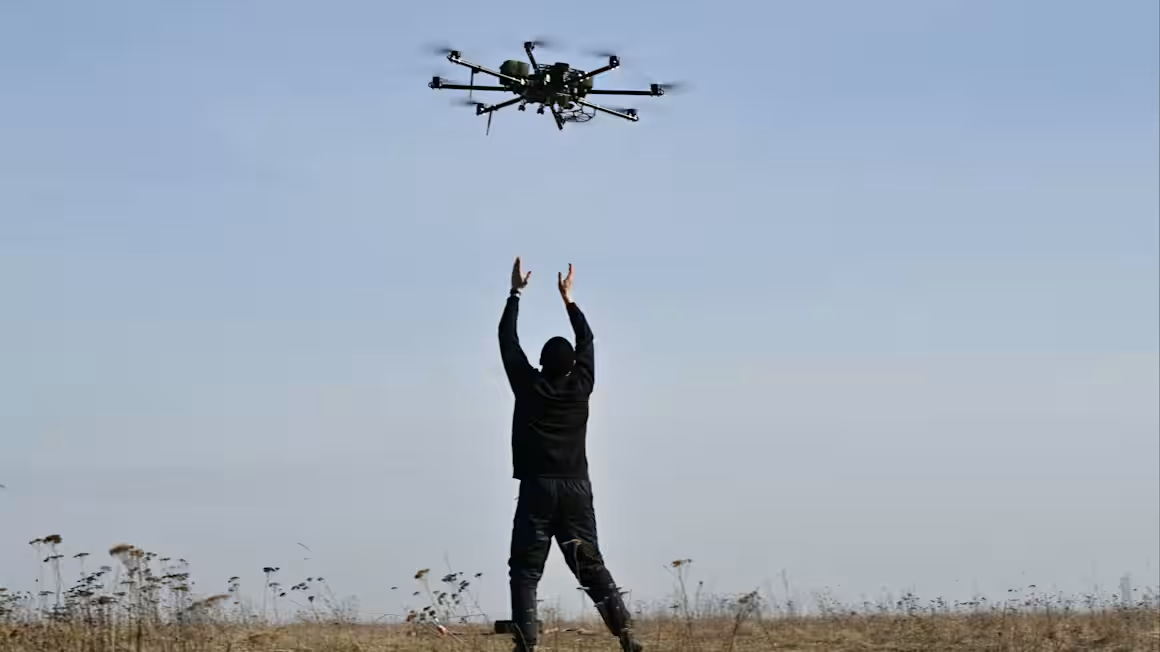
The European Commission has authorised Ukraine to utilise a portion of a €6 billion financial tranche to procure items experiencing supply shortages within Europe. This procurement allowance explicitly includes drone components sourced from China, addressing specific gaps in the European market. The decision highlights the EU's continued financial support for Kyiv amidst the ongoing conflict, while navigating complex supply chain constraints.
Brussels has granted specific permission for Kyiv to divert funds from the €6 billion tranche towards purchasing Chinese drone parts. The justification for this expenditure is the scarcity of these specific items within the European market. This move underscores the practical challenges faced by European supply chains in meeting the immediate demands of the conflict, necessitating the sourcing of critical components from alternative global suppliers.
The European Union is providing financial support to Ukraine in the context of its ongoing conflict. The €6 billion tranche refers to a scheduled disbursement of EU funds to Kyiv. While the headline suggests direct purchasing, the source material indicates that Brussels allows the use of these funds for items in short supply. It is crucial to distinguish between the EU funding the purchase directly and Ukraine using EU funds to buy from Chinese suppliers, with the latter being the mechanism described.
There is a noted shortage of certain military or dual-use items, specifically drone components, within European supply chains. The specific types or models of drone parts being purchased are not detailed in the available reports. Furthermore, the exact monetary value or percentage of the €6 billion tranche allocated to Chinese drone parts is not specified, leaving the scale of this specific procurement within the broader financial package unclear.
The extent to which this authorisation represents a broader policy shift or a one-off exception for supply chain constraints is unclear. However, the allowance for sourcing Chinese drone parts marks a significant operational adjustment for the EU's support mechanism. It reflects a pragmatic approach to ensuring Ukraine has access to necessary equipment, even when those components are not readily available from domestic or allied European manufacturers.
This development comes as the EU continues to navigate the complexities of sustaining support for Kyiv. The reliance on Chinese components for drone parts highlights the global nature of the supply chains involved in modern conflict. By permitting the use of EU funds for these specific imports, Brussels aims to mitigate the impact of local shortages and ensure that critical military capabilities are maintained.
The authorisation serves as a reminder of the logistical realities underpinning international aid packages. While the political commitment to Ukraine remains strong, the physical availability of specific goods can dictate the flow of resources. The inclusion of Chinese drone parts in the approved list of items suggests that the European Commission is prioritising functional capability and availability over strict geographical sourcing restrictions in this instance.