EU packaging regulations trigger compliance crisis for small businesses
While the European Commission cites urgent environmental targets, micro-enterprises and online retailers warn that the Packaging and Packaging Waste Regulation imposes disproportionate costs and red tape.
New European Union regulations targeting packaging waste and PFAS "forever chemicals" have taken effect, requiring tighter standards for food-contact materials. While the EU aims to reduce waste and health risks, small businesses and online traders have paused shipments and criticized the administrative burden and costs, arguing the rules disproportionately affect micro-enterprises compared to larger corporations.
The EU's Packaging and Packaging Waste Regulation (PPWR) bans high levels of PFAS in packaging designed to contact food, aiming to reduce health risks associated with these persistent chemicals. PFAS are used to make paper and cardboard packaging both grease- and water-resistant and are found in everything from pizza boxes to TV dinners. Although the amount of material people are exposed to from food packaging is usually low, scientists are worried about the long-term effects. After all, PFAS are highly persistent chemicals and accumulate in the body and the environment.
Small businesses, including sole traders and medium-sized firms, argue the rules impose disproportionate costs, such as registering packaging in multiple EU states and appointing authorised representatives, with fees estimated at €300 ($346) per country per year. Several businesses, from sole traders to medium-sized firms, said they had paused deliveries to and within the EU due to the new rules. "Under these rules, I would need to appoint an authorized representative in every single EU country I send to," wrote the owner of a small online store, Monstaas Workshop, in an Instagram post. "The cost is around €300 ($346) per country, per year ... these costs are simply not affordable."
Specific businesses, including Monstaas Workshop and Swedish electronics maker iLabs Electronics, have halted deliveries to or within the EU due to the red tape. Swedish embedded electronic devices maker iLabs Electronics said it would halt web shop orders from EU countries. "The cost and administrative burden [of PPWR] is now out of proportion to our direct sales volume," iLabs wrote on its website. A petition on change.org had gathered over 45,000 signatures by Wednesday morning, urging Brussels to stop "destroying EU micro-businesses."
A German online retailers' association Händlerbund warned that the rules lack exceptions for small businesses, while Austrian MEP Elisabeth Dieringer noted that medium-sized firms face five-figure costs. "There is no minimum quantity and no exception for small businesses," Händlerbund warned its members. EU lawmaker Elisabeth Dieringer of the far-right Freedom Party of Austria has warned that PPWR would mean five-figure costs for medium-sized firms. "While corporations have their own departments for this [red tape], the Mittelstand [medium-sized firms] has little choice but to 'eat or die,'" she wrote on X on Tuesday.
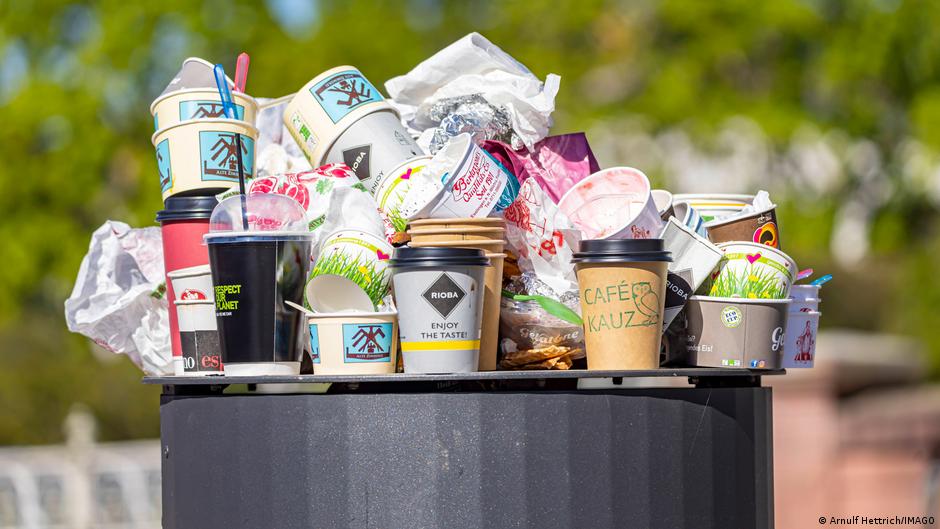
The EU reports a 20% increase in packaging waste over the last decade, with 178 kilograms generated per person in 2023; without intervention, waste was projected to rise by another 19% by 2030. According to the European Commission, EU countries have witnessed a 20% increase in packaging waste over the last decade. Without PPWR, Brussels says, discarded packaging was set to rise by another 19% by 2030, driven by the boom in online shopping and convenience food. EU data shows that 178 kilograms (392 pounds) of packaging waste was generated per person across the bloc in 2023.
Future measures under PPWR include binding targets to cut packaging waste by 5% by 2030 and 15% by 2040, mandatory recycling labels from 2028, and a ban on single-use plastic packaging for fresh produce from 2030. From 2028, packaging manufacturers will be required to carry standardized labels that clearly show the materials used and how it should be recycled or disposed of. Then from 2030, all packaging placed on the EU market, including single-use plastic bottles, must be designed to be recyclable. Packaging will also be required to be kept to a minimum to protect the product and fulfill its function. This measure is meant to reduce the overuse of packaging for marketing purposes. Meanwhile, single-use plastic packaging for fresh produce will be banned from 2030.