EU negotiators reach accord to secure supply chains for essential medicines
The European Commission has identified bottlenecks in active ingredient supply and over-reliance on Asian producers as key vulnerabilities, prompting a shift in public procurement rules.
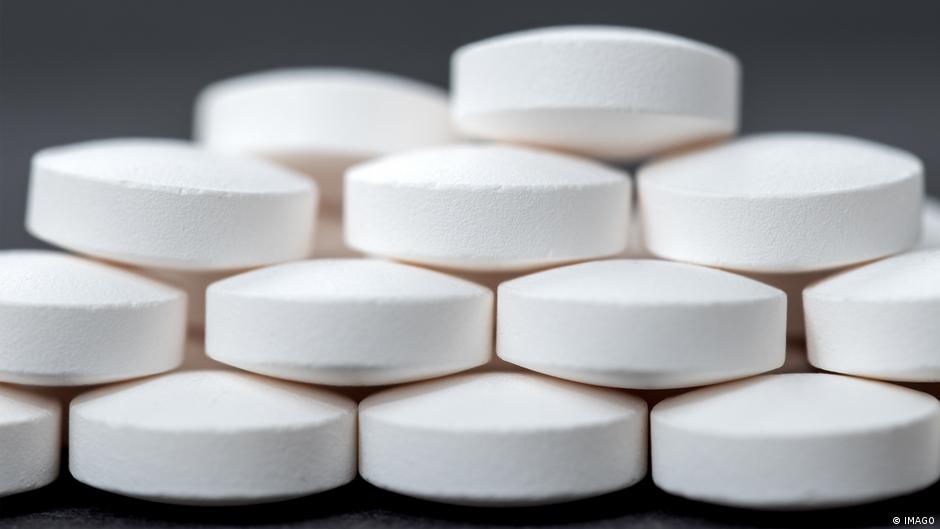
European Union negotiators have reached an agreement to establish a new regulatory framework designed to strengthen the bloc's supply chains for essential medicines. The accord, finalised on Tuesday, seeks to reduce dependence on manufacturers located outside the European Union and mitigate recurring shortages of critical pharmaceuticals.
The primary targets of these new rules include painkillers, antibiotics, and fever medicine for children, which have occasionally faced availability issues in recent years. By prioritising medicines manufactured within Europe for public procurement, the agreement aims to diversify supply chains and ensure that citizens can reliably obtain essential treatments from pharmacies and hospitals.
A significant component of the deal involves accelerating funding and approval processes for strategic projects related to medicine production. This mechanism intends to make it easier for public funds to support the manufacturing of essential drugs within the EU, thereby bolstering the region's capacity to produce critical medicines and their ingredients closer to home.
Furthermore, the regulations introduce a joint purchasing mechanism that allows multiple nations to collectively buy important medicines. This provision is specifically targeted at rare illnesses where market deficiencies exist, ensuring that smaller national markets can access vital treatments through pooled resources.
Cypriot Health Minister Neophytos Charalambides, who is currently holding the rotating presidency of the EU Council, stated that the agreement represents practical action to reduce vulnerabilities. He emphasised that the measures are intended to ensure people no longer worry about the availability of essential medicines, despite the fact that 80 per cent to 90 per cent of medicaments currently used in Europe originate from Asia.
The European Commission previously highlighted that bottlenecks in the supply of active ingredients and the concentration of production in a small number of countries pose significant risks, a vulnerability that became particularly apparent during the coronavirus pandemic in the early 2020s. Although the Commission suggested amending relevant rules in 2025 to address these issues, the current agreement still requires formal approval from EU member states and the European Parliament before it can be implemented.