EU-Mercosur trade pact enters provisional phase amid legal challenge
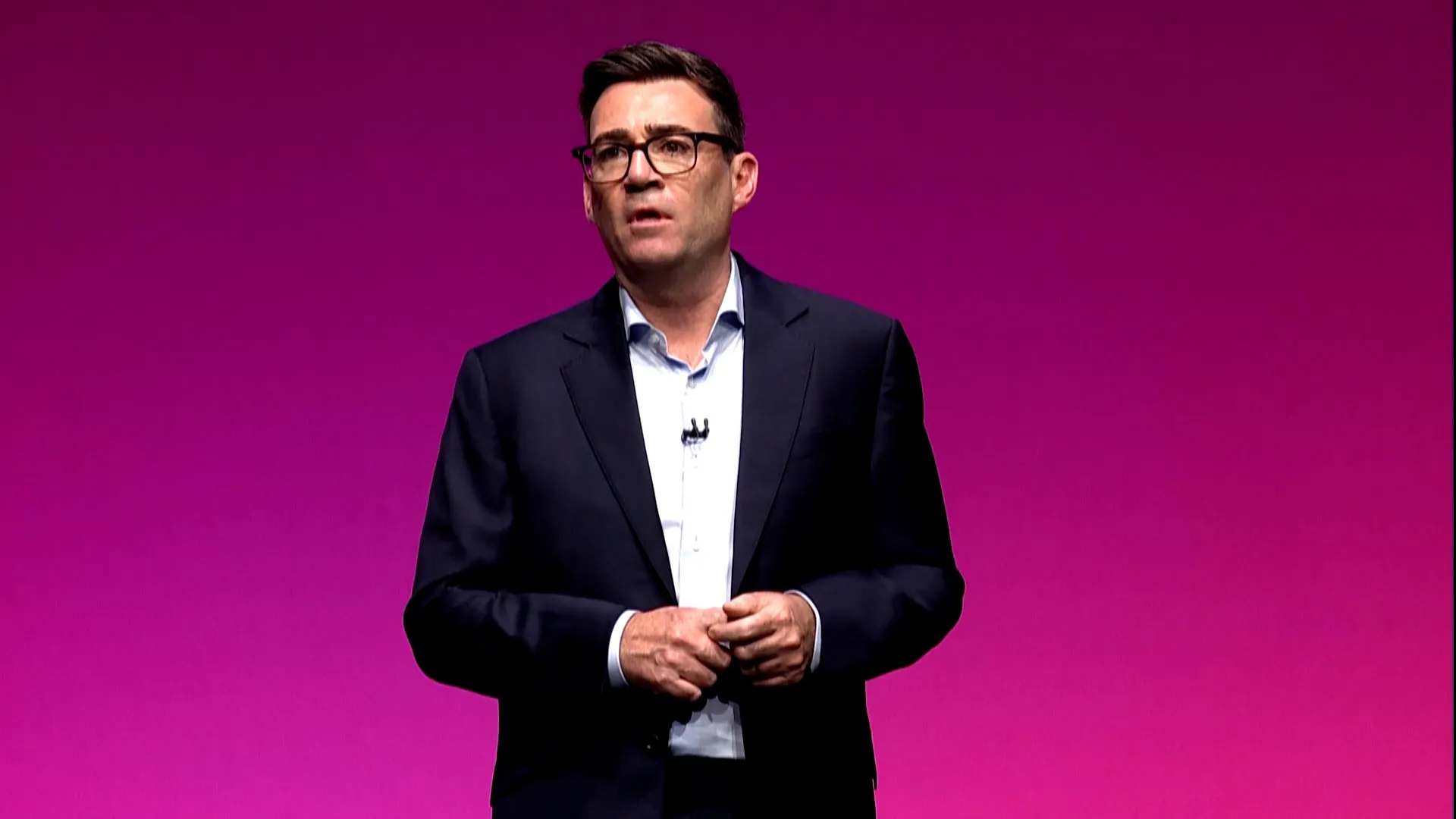
European Commission President Ursula von der Leyen celebrates the deal's provisional effect, though the European Court of Justice has halted full implementation pending a ruling on parliamentary procedure
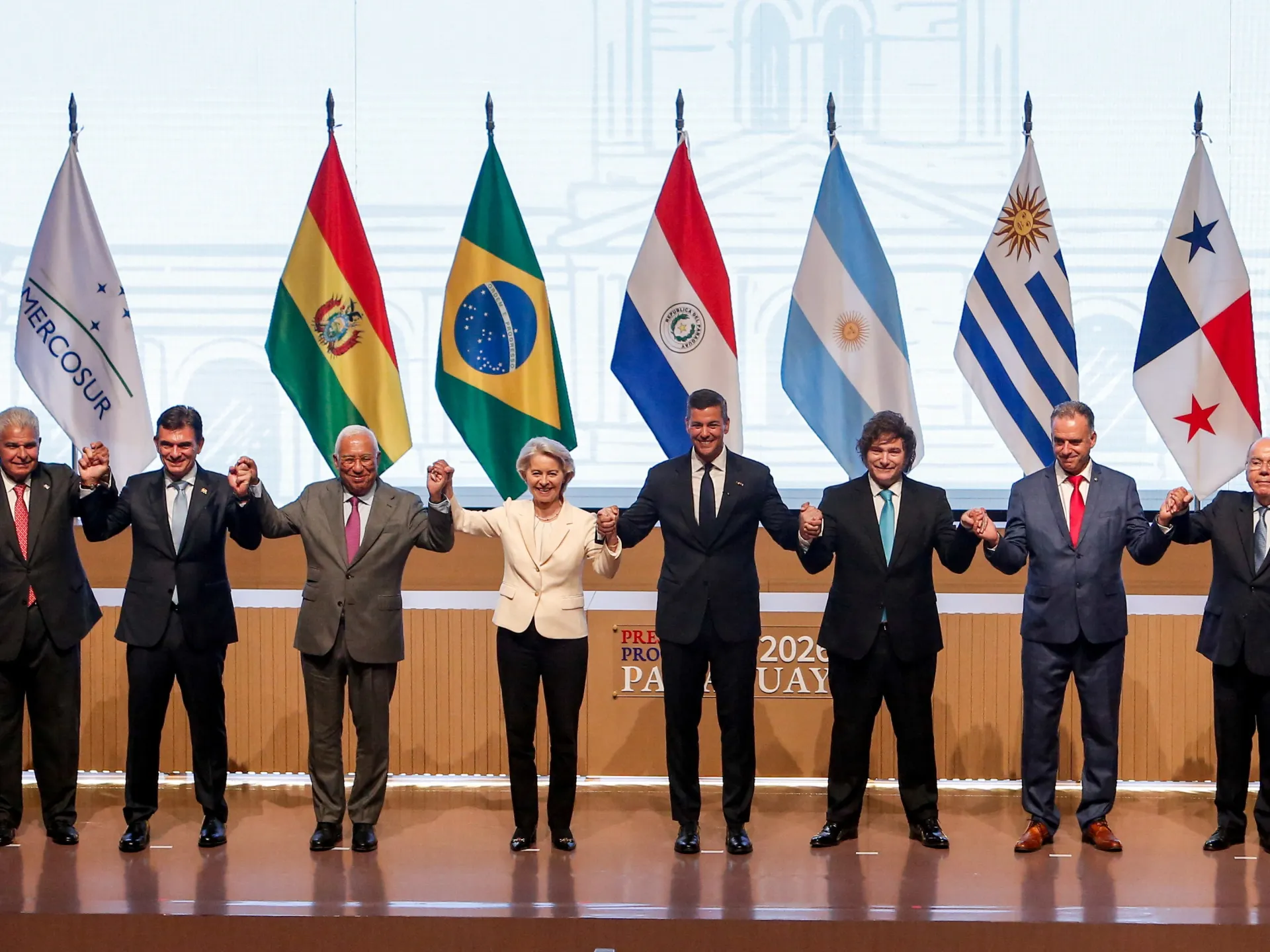
The trade agreement between the European Union and South America's Mercosur bloc has provisionally come into effect following 25 years of negotiations. The pact establishes one of the world's largest free trade areas, covering 720 million consumers and an estimated $22 trillion in value. It aims to lower tariffs on over 90 per cent of bilateral trade, benefiting European exports of cars, wine, and cheese, while facilitating South American exports of beef, poultry, sugar, rice, honey, and soya beans.
Despite the celebratory tone, the agreement is currently only provisionally in effect because it is being challenged by the EU judiciary. The legal dispute centres on the European Commission's move to enact the deal without full parliamentary approval. The agreement will be halted if the European Court of Justice rules against the provisional enactment, leaving the final status of the treaty pending.
European Commission President Ursula von der Leyen is expected to hold a videoconference with leaders of Mercosur nations, including Brazil, Argentina, Uruguay, and Paraguay, to mark the occasion. Brazilian President Luiz Inacio Lula da Silva has already signed a decree validating the deal in his country, framing it as a response to unilateral tariffs imposed by the United States and a reaffirmation of multilateralism.
The deal was signed in January and is designed to eliminate tariffs on more than 90 per cent of bilateral trade. Together, the EU and Mercosur account for 30 per cent of global GDP and more than 700 million consumers. The agreement is intended to provide full protection for sensitive sectors within the EU while opening new export opportunities for farmers, according to the Commission.
However, the policy shift has faced significant opposition from farmers and environmental groups within the bloc. Thousands of Irish farmers protested against the agreement, accusing European leaders of sacrificing their interests to a surge of inexpensive South American imports. Environmental groups remain concerned about the implications for deforestation.
Companies based in Mercosur countries have also expressed fear of tough competition from European peers in hi-tech industries. While the provisional effect allows for immediate business planning, the extent of the impact on European markets and the final outcome of the legal challenge remain uncertain.