EU Member States Face Critical Juncture in 2028–2035 Budget Framework Negotiations
While the European Parliament has voted for a budget increase beyond the Commission's proposal, the 27 member states remain divided on funding levels and resource allocation ahead of a decisive deadline.
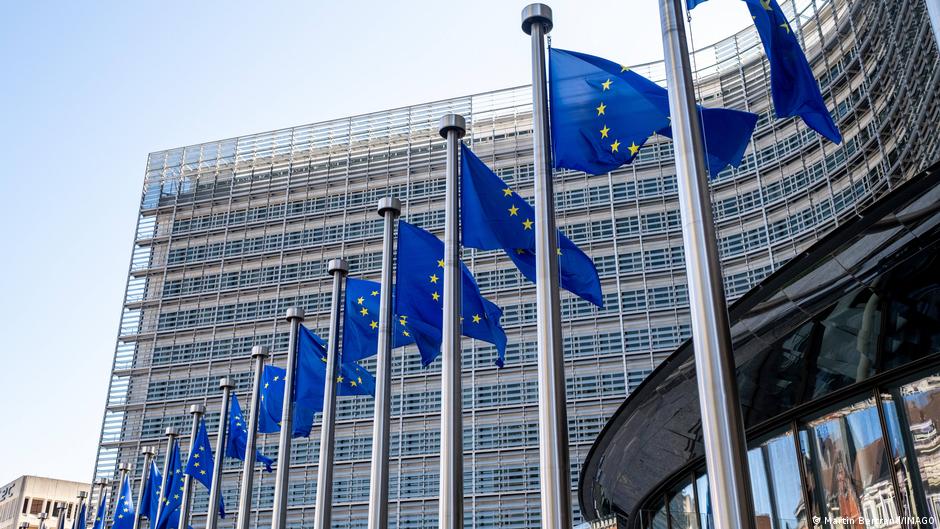
Negotiations for the European Union's next Multiannual Financial Framework covering the period from 2028 to 2035 have entered a critical phase, with the final decision resting squarely with the 27 member states. Although the European Parliament has formally voted to increase the budget beyond the European Commission's proposed figure of €1.76 trillion, significant divergence remains among national governments regarding the scale of funding and the allocation of resources.
The Commission's proposal seeks to reorient spending away from agriculture and regional development to bolster competitiveness, defence capabilities, and aid for Ukraine. However, this shift has encountered resistance from key contributors. German Chancellor Friedrich Merz explicitly opposed the Commission's plan, arguing that a massive budget increase is incompatible with the rigorous fiscal consolidation efforts currently underway across member states. Similarly, the Netherlands has voiced opposition to the proposed scale.
Conversely, net recipient nations including Greece, Poland, Romania, Spain, and Hungary contend that the current proposal is insufficient to meet the tasks at hand. This creates a complex dynamic where major net contributors such as Germany, France, Italy, the Netherlands, and Sweden seek to limit their contributions, while recipients argue the budget must be higher to address current challenges.
A major point of contention involves the repayment of €750 billion in debts incurred from the COVID-19 recovery fund. French President Emmanuel Macron has advocated for extending the repayment deadline or creating new joint debt instruments in the form of Eurobonds, viewing immediate repayment as counterproductive. In stark contrast, Germany firmly rejects the introduction of new joint debt, highlighting the deep divide between nations on the balance between national fiscal responsibility and collective EU investment.
The search for new revenue streams to fund these ambitions has also proven difficult. The European Commission has proposed a levy on large companies and a tobacco tax, while the European Parliament has additionally called for a digital tax on big tech companies. Despite the European Commission framing the budget as essential for external autonomy and shaping Europe's destiny amidst geopolitical instability, analysts note that member states remain primarily concerned with the tangible benefits their citizens will receive rather than the collective efficiency of the spending.
Political pressure is mounting as negotiations face a hard deadline. Upcoming elections in France, Italy, and Poland next year are expected to drive a conclusion to the talks by the end of 2026. The prospect of nationalist parties winning in France, in particular, adds urgency to the process, even as concrete financial figures are not expected to be presented until the next EU leaders' meeting in June.