EU Mandates Breathalyzer Interface for All New Vehicles from July
Automakers must install preconnected ignition interfaces for alcolock devices as part of a broader strategy to cut alcohol-related traffic fatalities by half within four years.
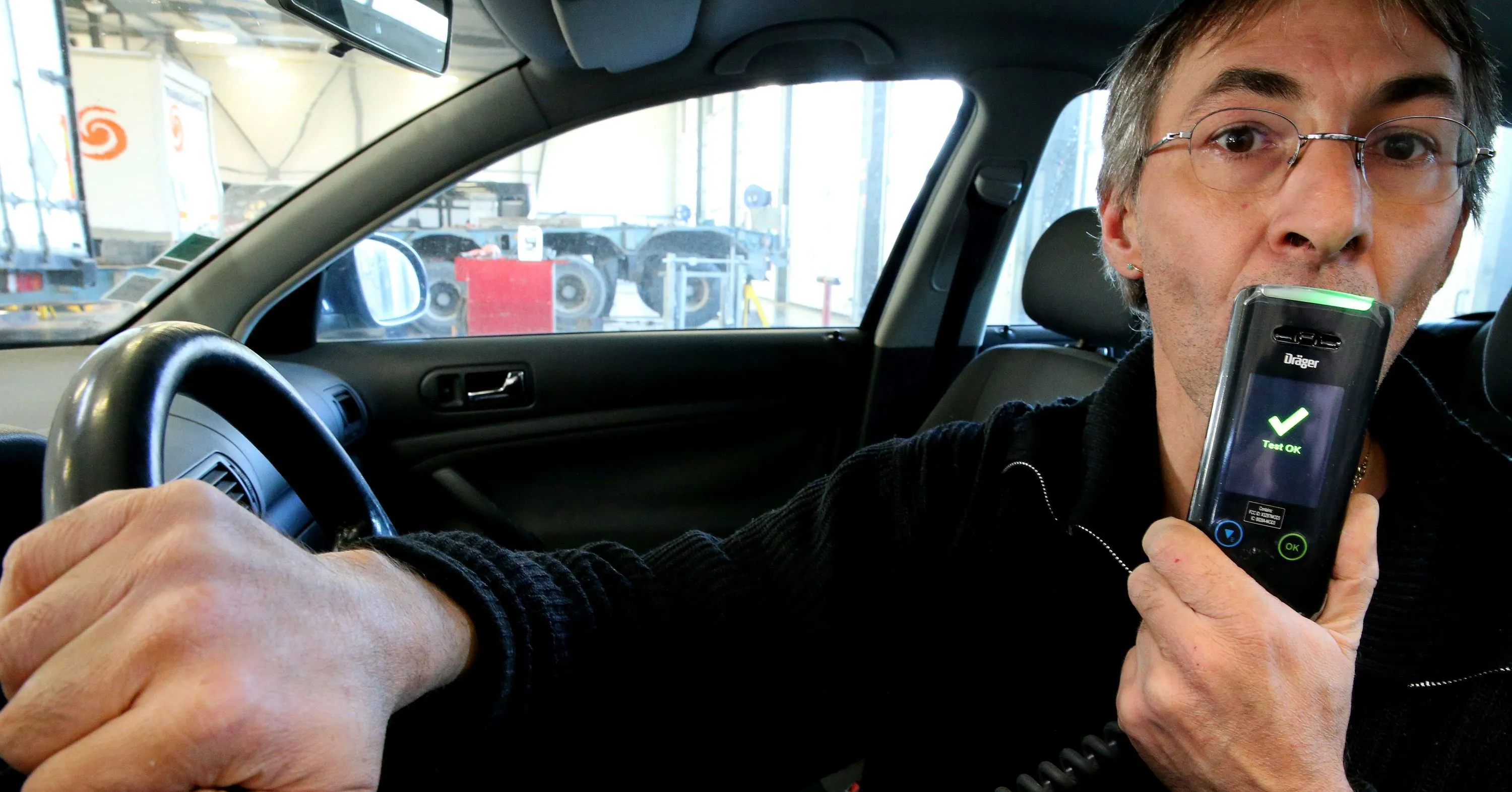
From 1 July, all new vehicles sold within the European Union must feature a preinstalled interface designed to accommodate a breathalyzer lock, or alcolock, on the ignition system. This mandate, reported by WIRED, represents the final component of the EU’s General Safety Regulation, requiring manufacturers to provide both the necessary electrical connection and reserved physical space for the device directly from the factory floor.
The requirement is a cornerstone of the EU’s Vision Zero program, an initiative launched by European authorities more than five years ago with the objective of eliminating alcohol-related traffic fatalities entirely by 2050. A primary interim target under this framework is to reduce related deaths and injuries by at least 50 percent by 2030. The alcolock device itself must adhere to European standard EN 50436 and hold certification from an authorized accrediting entity.
Functionally, the system prevents a vehicle from starting if the driver’s breath alcohol concentration exceeds the legal limit. Drivers must provide a breath sample before the ignition cycle can commence; if the reading is above the threshold, the mechanism connected to the ignition automatically blocks the engine from starting. This technology is already utilised in several European nations, typically deployed for repeat offenders or within specific professional transport sectors.
Official estimates suggest that widespread implementation of alcolock technology could reduce fatal accidents linked to alcohol consumption by up to 65 percent. The new rule aligns with a broader timeline established in the General Safety Regulation, which has progressively introduced mandatory safety features into vehicle designs since 2018.
Previous mandates under this regulation, fully integrated by 2024, include intelligent speed assistants, emergency lane keeping assistants, event data recorders, and adaptive brake lights. The intelligent speed assistant utilises cameras or GPS to detect speed limits and alert drivers, while the event data recorder, often referred to as a black box, captures critical data preceding accidents to aid investigations.
The adaptive brake light mechanism responds to sudden deceleration by intensifying rear lights to warn following traffic, and the emergency lane keeping assistant corrects trajectory when a vehicle drifts without signalling. With the July deadline approaching, no vehicle will be permitted to leave a dealership within the EU without full compliance with this complete suite of safety measures.
