EU imposes $1 billion fine on Google for search self-preferencing
The European Commission’s latest antitrust ruling targets Google’s dominance in search and app markets, mandating structural changes to its Play Store and search algorithms amid escalating transatlantic trade tensions.
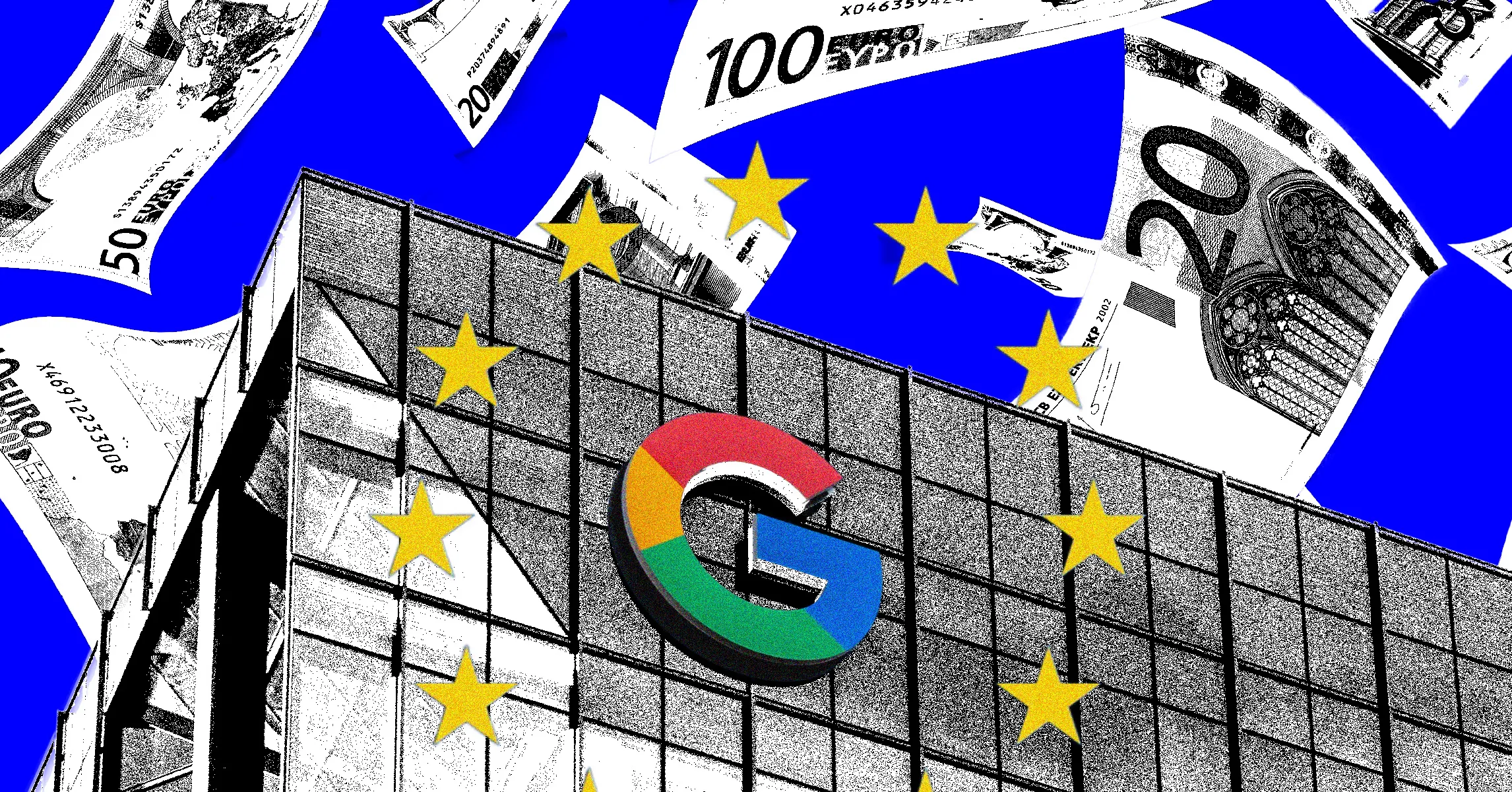
The European Commission has levied a $1 billion penalty against Google for breaching the Digital Markets Act, finding the company abused its dominance in the EU’s search and app store markets. Regulators determined that Google systematically prioritised its own services, including shopping, travel, and flights, within search rankings to the detriment of competitors. The ruling mandates that Google cease this preferential treatment and must permit app developers to communicate and transact with users outside the Play Store ecosystem, where the company collects commissions on sales.
Teresa Ribera, executive vice president at the European Commission, emphasised that the intervention was designed to protect consumer choice and fair competition. She stated that European consumers have a right to be informed by app developers about the best offers available, regardless of whether the app store owner receives a commission. Ribera argued that market success should be driven by product quality rather than corporate ownership, asserting that the best products must succeed because they are superior, not because they are owned by the search engine operator.
In response to the decision, Google indicated it would consider appealing the penalty. Kent Walker, president of global affairs at Google, described the ruling as unfair competition that results in product degradation. He argued that the decision was driven by a small group of self-serving complainants and would ultimately harm European businesses and consumers. The company has proposed alterations to its Play Store administration and search ranking presentations, which the European Commission has characterised as progress towards compliance, though specific timelines for full adherence were not detailed.
The enforcement action occurs against a backdrop of rising trade tensions between the United States and the EU, with US President Donald Trump having previously vowed to impose steep new tariffs on European countries that restrict American technology companies. The White House did not respond to a request for comment regarding the fine. Legal experts note the geopolitical implications, with Kathryn McMahon, associate professor of law at the University of Warwick, observing that the ruling demonstrates the commission’s willingness to be tough, potentially leveraging fines in the context of broader transatlantic disputes.
This penalty adds to a decade-long series of antitrust actions against the company. In early July, a European court upheld a record $4.1 billion fine against Google from 2018, which related to agreements requiring phone makers to install Google Search and Chrome on their devices. Industry observers, including Daniel Friedlaender of trade organisation CCIA Europe, have warned that heavy-handed enforcement of the Digital Markets Act could be self-defeating, potentially reducing the quality of services accessible to Europeans.