EU hosts Taliban delegation for migrant repatriation talks
Brussels meeting marks first official contact between European Union officials and Afghan Taliban representatives, sparking debate over migration policy and diplomatic recognition.
An Afghan Taliban delegation met with European Union officials in Brussels on Tuesday, marking the first time the two sides have engaged in formal discussions. The meeting, held in the Belgian capital, focused on migration issues, specifically the repatriation of failed asylum seekers from Europe to Afghanistan.
The European Union has defended the decision to host the talks, framing the engagement as a pragmatic step towards facilitating the return of individuals whose asylum claims have been rejected. Officials argue that direct communication with the de facto authorities in Kabul is necessary to establish mechanisms that make the repatriation process more efficient and manageable.
The meeting has drawn sharp criticism from human rights organisations, which denounced the engagement as a form of legitimisation for the Taliban. Critics argue that by sitting down with the group, the EU is effectively validating the Islamist regime, despite ongoing concerns regarding human rights abuses and governance under Taliban rule.
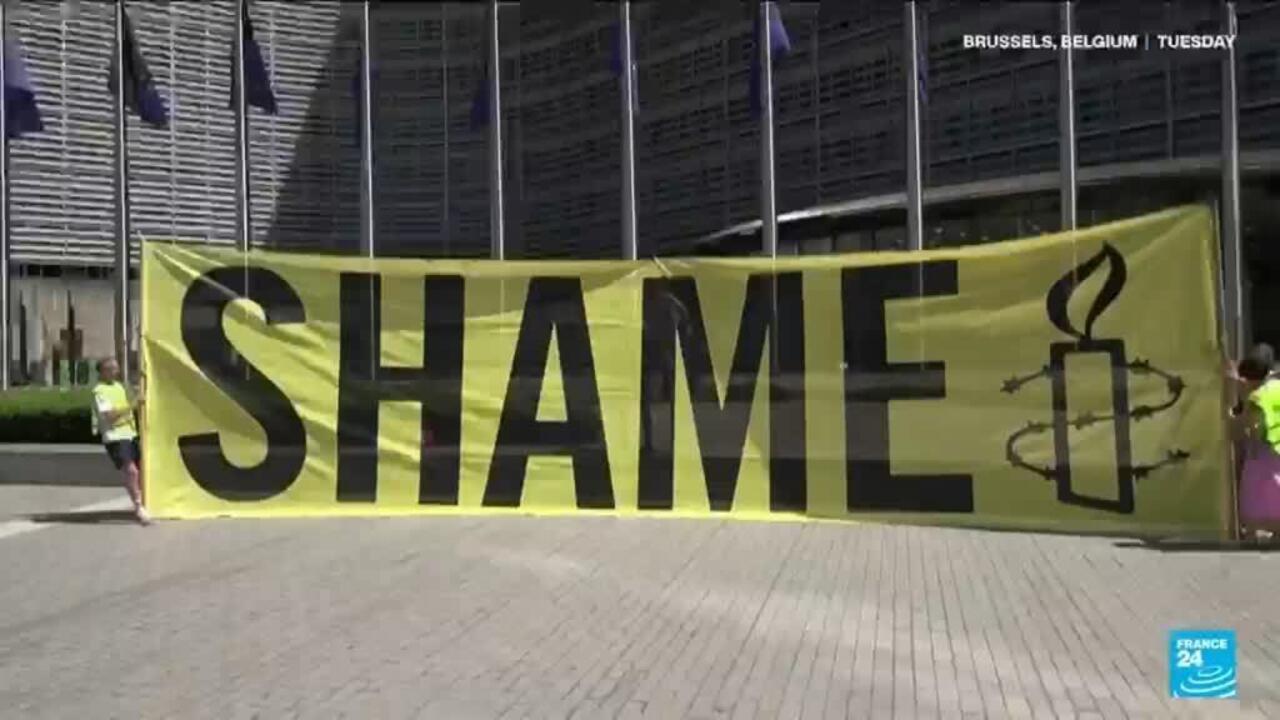
Protests erupted outside the venue as rights groups voiced their opposition to the diplomatic contact. While the specific scale and nature of the demonstrations were not quantified in available reports, the presence of demonstrators underscored the contentious nature of the EU’s approach to migration management and its relationship with Afghanistan.
The outcome of the discussions remains unclear, with no immediate details released regarding specific agreements or operational frameworks established during the talks. The meeting highlights the complex balancing act faced by European policymakers as they navigate migration pressures while managing diplomatic relations with non-recognised governments.
This inaugural contact between EU officials and the Taliban delegation signals a potential shift in how European institutions approach migration challenges linked to Afghanistan. However, the controversy surrounding the legitimacy of the Taliban continues to complicate efforts to secure cooperation on border control and asylum procedures.