EU enforces ban on destruction of unsold fashion stock
The European Commission’s latest measure targets firms with over €50 million in turnover, aiming to curb greenhouse gas emissions and textile waste from the fashion industry.
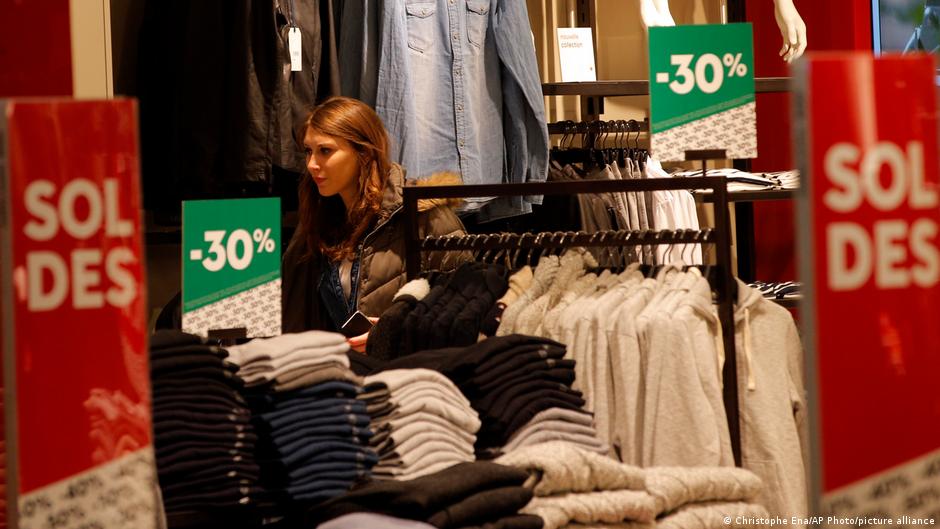
A prohibition on the disposal of unsold clothes, accessories, and footwear has taken effect across the European Union, marking a significant shift in how the bloc manages textile waste. Under the Ecodesign for Sustainable Products Regulation, large companies with more than 250 employees and over €50 million in net annual turnover are now prohibited from destroying unsold stock. The measure, which was approved by the European Commission more than two years ago, requires affected firms to sell products via discounts, alternative markets, or charity donations instead.
The regulation targets large fashion retailers, wholesalers, and manufacturers, noting that only 20% of apparel produced in the EU is manufactured within the bloc. According to the European Environment Agency (EEA), between 4% and 9% of unsold textile products are destroyed annually across the EU. This waste is exacerbated by the growth of online shopping, where one in five fashion goods ordered online is returned and not resold, contributing to hundreds of thousands of tons of discarded items each year.
Destruction of unsold goods is now permitted only under specific conditions, including when items are unsafe, damaged, counterfeit, or rejected by charitable organisations. Companies are required to publish annual reports on discarded goods and retain records for five years. The European Commission stated that the ban aims to reduce waste and greenhouse gas emissions, as the incineration of millions of clothes undermines efforts to cut environmental impact.
The German Retail Federation (HDE) acknowledged that consumers may benefit from increased availability of discounted apparel through outlets and second-hand channels. However, HDE Managing Director Stefan Genth warned that the rule change presents operational challenges for stores, citing issues such as damaged packaging, high logistics costs, lack of demand, and low product values. He noted that not all unsold goods can be resold or donated easily.
While the fashion industry has previously defended disposal as a cost-effective alternative to storage or repair, the EU is pushing for a circular economy where products are designed to last, be reused, repaired, and recycled. The regulation will be extended to medium-sized firms in 2030, as EU states face pressure to consider waste from raw materials, water, energy, and transport in the apparel sector.