EU Commissioner warns energy shocks and geopolitical conflicts threaten social stability
Executive Vice-President argues that quality jobs and skills portability are essential shields against rising living costs and economic instability across the bloc.
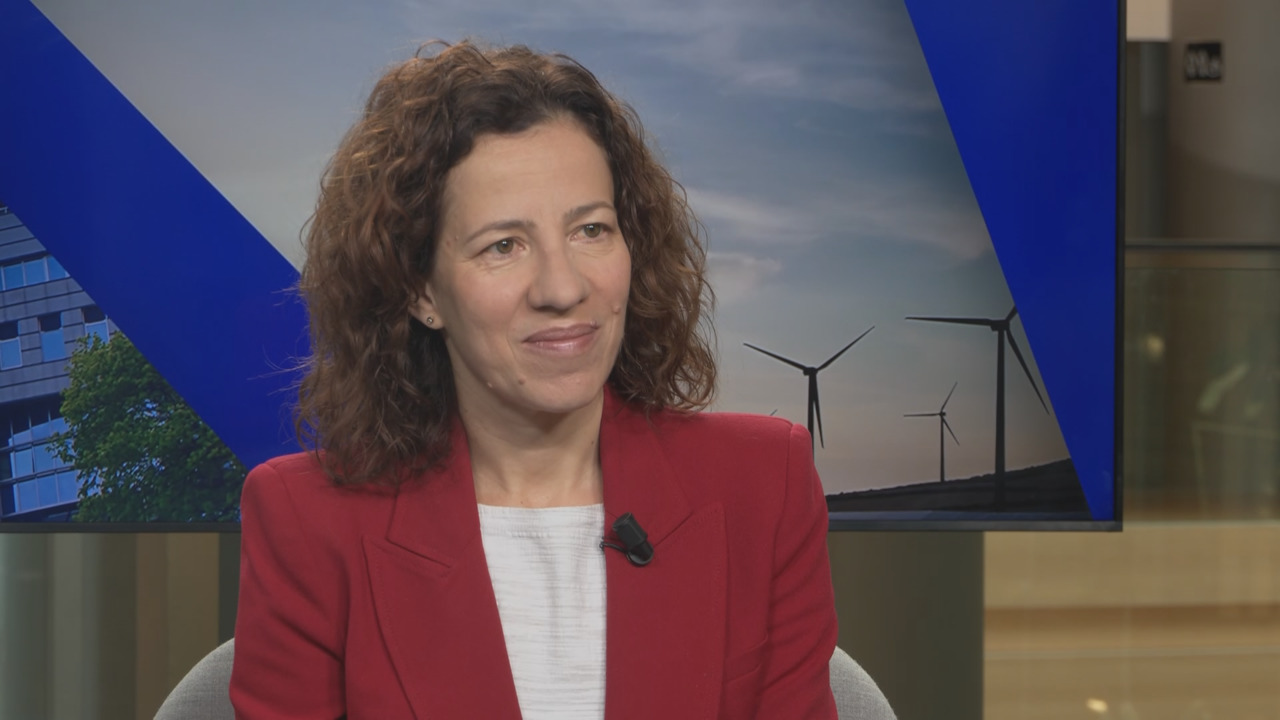
Roxana Minzatu, Executive Vice-President of the European Commission, has presented a comprehensive anti-poverty strategy designed to address the growing risk of poverty or social exclusion for 93 million Europeans. Speaking on France 24’s Talking Europe programme on 22 May 2026, Minzatu highlighted that one in five citizens is currently vulnerable, a figure she described as dynamic and susceptible to further deterioration due to compounding economic pressures.
The Commissioner identified rising living costs, energy shocks, and ongoing geopolitical conflicts, specifically citing the invasion of Ukraine and the crisis in the Middle East, as primary drivers threatening social stability. Minzatu characterised the proposed strategy as a necessary "shield" against these dynamic economic shocks, aiming to send a signal of optimism while acknowledging the bleak reality of the current financial landscape for millions of households.
To bolster economic resilience, Minzatu promoted the proposed Quality Jobs Act, which is currently open for consultation. The legislation focuses on strengthening labour relations, regulating precarious sectors, and improving workplace health and safety. She argued that quality employment is a fundamental ingredient for competitiveness, noting that while trade unions are seeking more binding rules, employers are favouring guidance, reflecting the complex negotiations required to align social policy with economic agendas.
Complementing the jobs initiative is the Skills Portability Initiative, which works in tandem with the Union of Skills. Minzatu explained that this framework aims to utilise digital tools and artificial intelligence to create greater equivalence and trust in qualifications, degrees, and diplomas across member states. The goal is to enhance labour mobility, allowing workers to travel freely with their knowledge and education, thereby addressing skills mismatches within the single market.
Despite these structural reforms, Minzatu acknowledged significant challenges in education performance, particularly in maths and science among young Europeans. She identified the pandemic and the shift to online teaching as a turning point for declining academic outcomes, though she also pointed to the broader impacts of artificial intelligence, technology, and social networks as ongoing factors complicating educational stability.
Addressing recent political instability in her home country, Minzatu commented on the collapse of the pro-EU government in Romania following a no-confidence vote. She asserted that Romanians remain highly pro-European, but emphasised that voters judge politicians based on tangible concerns regarding the cost of living and taxation. This political reality underscores the urgency of her message that social investment must remain central to governance, even as political discourse is increasingly dominated by defence and security issues.