EU Civil Protection Mechanism Activated as Belgium Battles Record-Breaking Wildfire
As temperatures soar and peatlands ignite, the European Union has deployed aerial assets to assist Belgian emergency services in a disaster that has already scorched over 2,700 hectares and forced the evacuation of hundreds of residents.
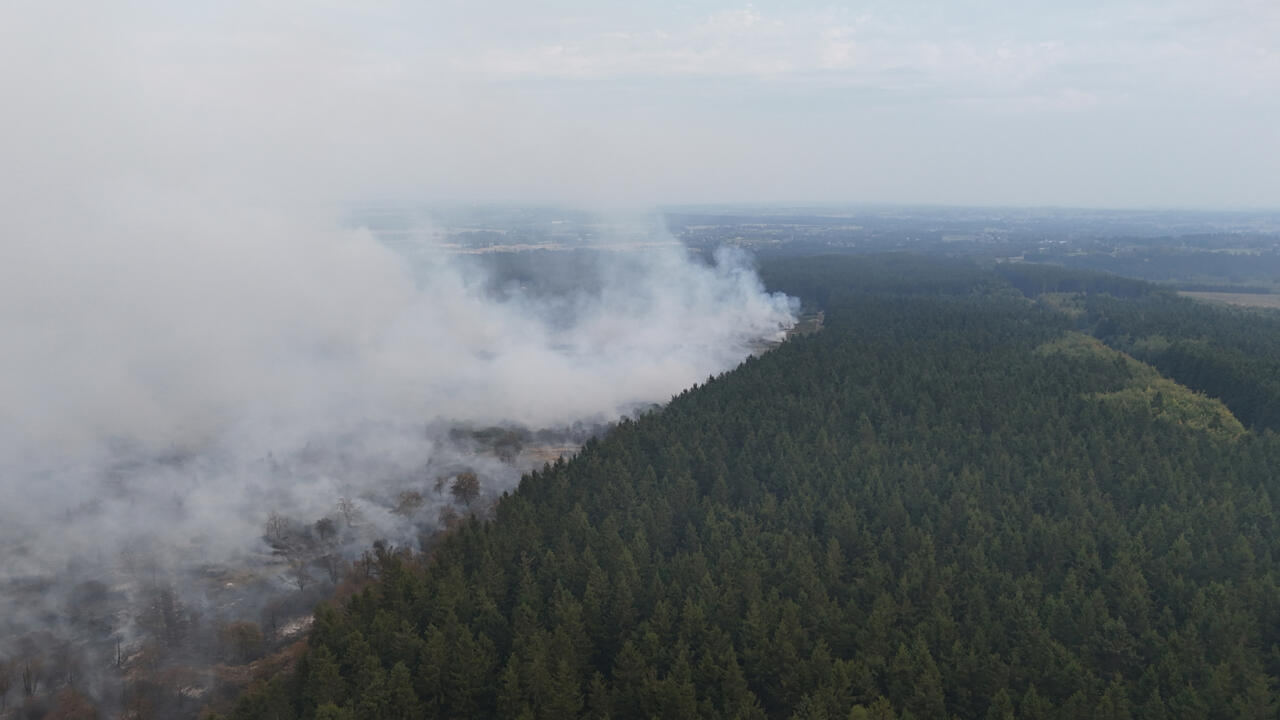
Firefighters in Belgium are confronting one of the most significant wildfires in the nation’s modern history, with the blaze rapidly expanding to consume more than 2,700 hectares of land in the High Fens park near the German border. The fire, which ignited on Friday, has prompted the activation of the European Union’s civil protection mechanism, drawing in helicopters and water-bombing aircraft from member states as Belgian authorities struggle to contain the inferno in rugged, inaccessible terrain.
The rapid escalation of the disaster has led to the evacuation of approximately 600 residents from villages including Sourbrodt and Buetgenbach. A gymnasium in the neighbouring municipality of Malmedy has been established as a shelter by the Belgian Red Cross to accommodate displaced individuals, while others in the region have been advised to remain indoors with windows and doors closed. Nicolas Yernaux, a spokesperson for the Wallonia regional authorities, confirmed that the fire remains uncontained and warned of the ongoing risk to residential properties, stating that all available resources are being deployed to protect homes.
Belgian Interior Minister Bernard Quintin described the speed and scale of the destruction as shocking, though he acknowledged the critical support provided by local farmers who have joined emergency crews to wet down vulnerable areas. The fire’s progression from just 80 hectares on Friday to over 2,700 hectares by late Saturday highlights the intensity of the conditions, exacerbated by temperatures reaching 37 degrees Celsius in parts of the country earlier in the week.
The geographical challenges posed by the High Fens, characterised by heath, peat bogs, and raised wooden boardwalks, have hindered ground-based firefighting efforts. Yernaux noted that emergency services have been forced to pull back from the forest edge, allowing parts of the heathland to burn while relying heavily on aerial resources to manage the spread. The area, which suffered massive wildfires in 1911 during a similar period of extreme heat and drought, now faces a recurrence of these volatile conditions.
European Commissioner Hadja Lahbib, who activated the EU’s civil protection mechanism, described the event as evidence of broader climate upheaval. She highlighted the unusual nature of the wildfire season, noting that it has started earlier in the year and reached further north than previously recorded. Dutch and Swedish aerial assets are currently being deployed to the site, with operations expected to become fully operational in the immediate future.
The crisis in eastern Belgium occurs in close proximity to a separate major wildfire in western Germany, near the town of Huertgenwald, which has already forced the evacuation of around 1,800 people. As smoke blankets the region and visibility drops to near zero, authorities continue to monitor the situation, with no definitive timeline provided for bringing the blaze under control.