Fed’s Schmid urges tighter policy as US mortgage rates hit 6.69%
Jeff Schmid argues monetary policy may not be restrictive enough, while borrowing costs climb to their highest level since July 2025.
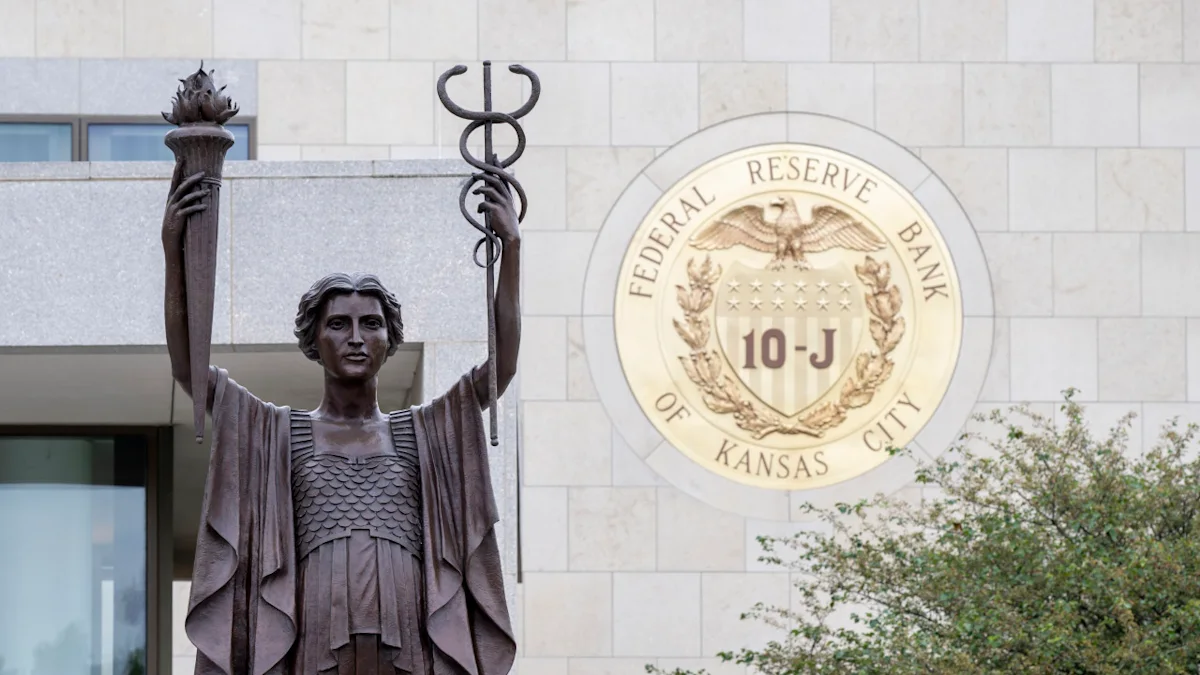
Jeff Schmid, President of the Federal Reserve Bank of Kansas City, has argued that monetary policy may not be tight enough, citing inflation as his primary concern. His comments coincide with the average 30-year fixed mortgage rate climbing to 6.69%, the highest level since July 2025. Schmid stated that returning inflation to the 2% target requires tighter policy, although he did not specify the timing or magnitude of potential rate hikes. The rise in borrowing costs follows increased energy prices linked to the US-Iran conflict, with consumer prices rising 3.5% year-over-year in June.
Schmid’s comments on 4 August coincided with rising mortgage costs, where a $400,000 loan now costs approximately $185 more per month than in February 2025. The 10-year Treasury yield recently reached 4.65%, up from 3.97% before the US-Iran conflict began in February. June consumer prices were 3.5% higher than one year earlier, with energy prices surging 15.7% and gasoline prices jumping 26.7%.
Overall prices fell 0.4% between May and June, while core inflation was 2.6% year over year. The Federal Reserve does not directly set mortgage rates; however, its decisions influence bond-market expectations and borrowing costs. Mortgage rates tend to follow the 10-year Treasury yield, which has been affected by geopolitical tensions and energy prices.
Previous context indicates that US-Iran tensions have contributed to rising oil prices, adding to inflationary pressures. Historical data shows that market participants have been monitoring inflation data closely, with expectations of potential rate hikes shifting based on jobs and inflation reports. The Federal Reserve held its benchmark rate at 3.5% to 3.75% at its latest meeting, with three officials voting for a rate hike.
The Bureau of Labor Statistics is scheduled to release July’s inflation report on 12 August. A hotter-than-expected number could strengthen the case for another rate hike and place additional upward pressure on borrowing costs. Homebuyers cannot control the Fed or the bond market, but can reconsider how they approach real estate and position their savings to benefit from higher rates.
Savers can utilise high-yield cash accounts for liquidity, investing in precious metals through Gold IRAs, or accessing real estate markets via crowdfunding platforms like Arrived. These strategies aim to help investors build wealth independently of the stock market, providing diversification against economic uncertainty.
Mortgage offers can vary based on the lender, loan type, credit score, down payment and fees. Freddie Mac recommends obtaining quotes from three to five lenders to secure the best mortgage rate possible. Homebuyers should also avoid stretching their budget because they expect the Fed to cut rates later, as refinancing may be possible if rates fall, but there is no guarantee that they will.