EU analysis finds a third of the world faced extreme ozone pollution
The Copernicus Atmosphere Monitoring Service says 34 per cent of the global population experienced extremely poor ozone air quality between January and mid-September 2026.
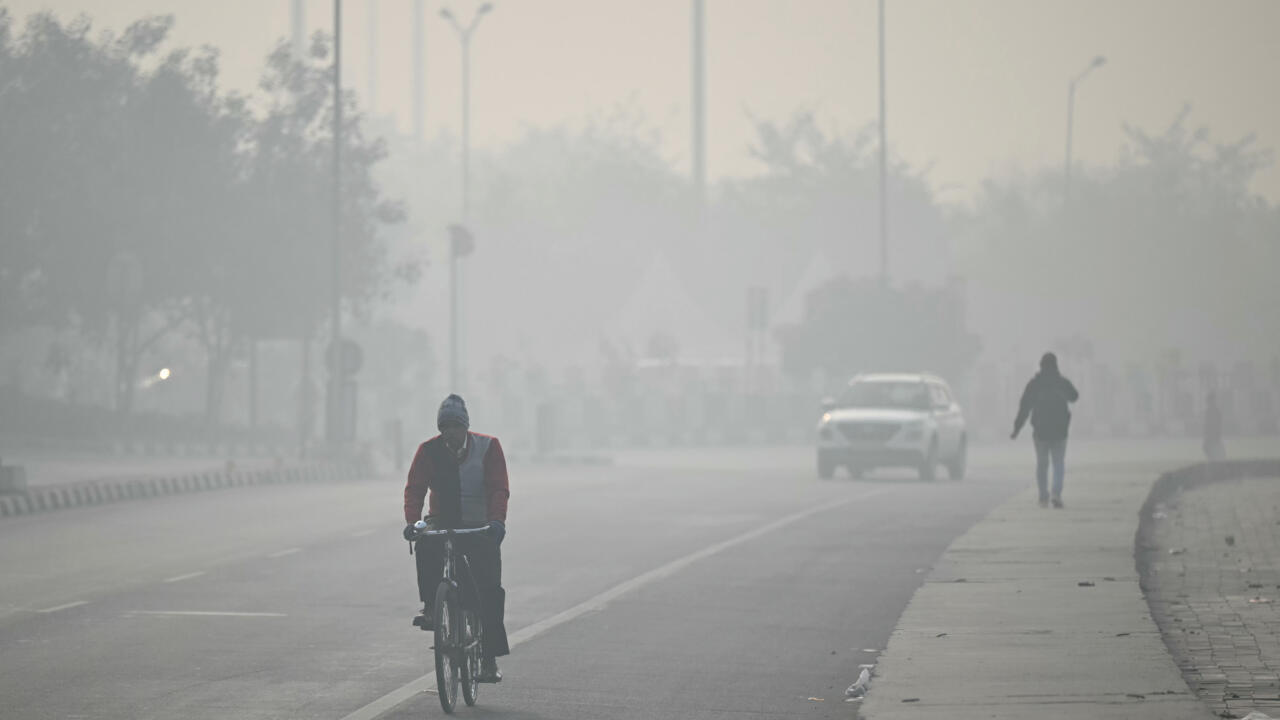
An analysis by the European Union’s Copernicus Atmosphere Monitoring Service found that 34 per cent of the world’s population was exposed to “extremely poor” ozone air quality from 1 January to 15 September 2026. A further 17 per cent faced “very poor” conditions.
Asia had the highest reported exposure: 53 per cent of its population was in the extremely poor category, while another 22 per cent experienced very poor air quality. The figures describe regional exposure and do not mean conditions were the same for every resident.
Ground-level ozone forms when heat and sunlight react with airborne emissions, including those from vehicles, industry and wildfires. The analysis said heatwaves, wildfires and human-caused emissions all contributed, but did not quantify their individual effects.
The report classed concentrations as extremely poor when they were well above the World Health Organization’s guidance of 100 micrograms per cubic metre, averaged over eight hours.
Ozone can damage lung tissue and aggravate breathing problems and asthma. The service said air pollution can travel across borders, making ozone difficult to address through emissions controls in one place alone.