EU air passenger rights update stalls as Parliament and member states clash over modernisation
Negotiators face significant hurdles in updating the bloc’s air travel framework, with MEPs pushing for enhanced protections against delays and cancellations while member states resist immediate consensus.
Negotiators from the European Parliament and EU member states are currently engaged in talks to update the regulatory framework governing the rights of air passengers travelling within the bloc. The existing rules, established in 2004, are undergoing a comprehensive review as the scale and nature of air travel have changed significantly since their inception.
The European Parliament is advocating for stronger protections for passengers affected by flight delays and cancellations. Members of the European Parliament (MEPs) argue that the current regulations are insufficient to address the modern realities of aviation, necessitating a legislative update to ensure adequate consumer safeguards.
However, the negotiation process has encountered difficulties, described as hitting turbulence. This terminology indicates a lack of immediate consensus between the Parliament and member states regarding the specific terms of the proposed updates. The sticking points remain a focal point of the ongoing dialogue as both sides attempt to reconcile their positions.
The proposed changes aim to strengthen rights for passengers experiencing operational disruptions. While the specific details of the new protections are not fully elaborated in the current reports, the emphasis remains on enhancing the legal standing of travellers in the event of flight irregularities.
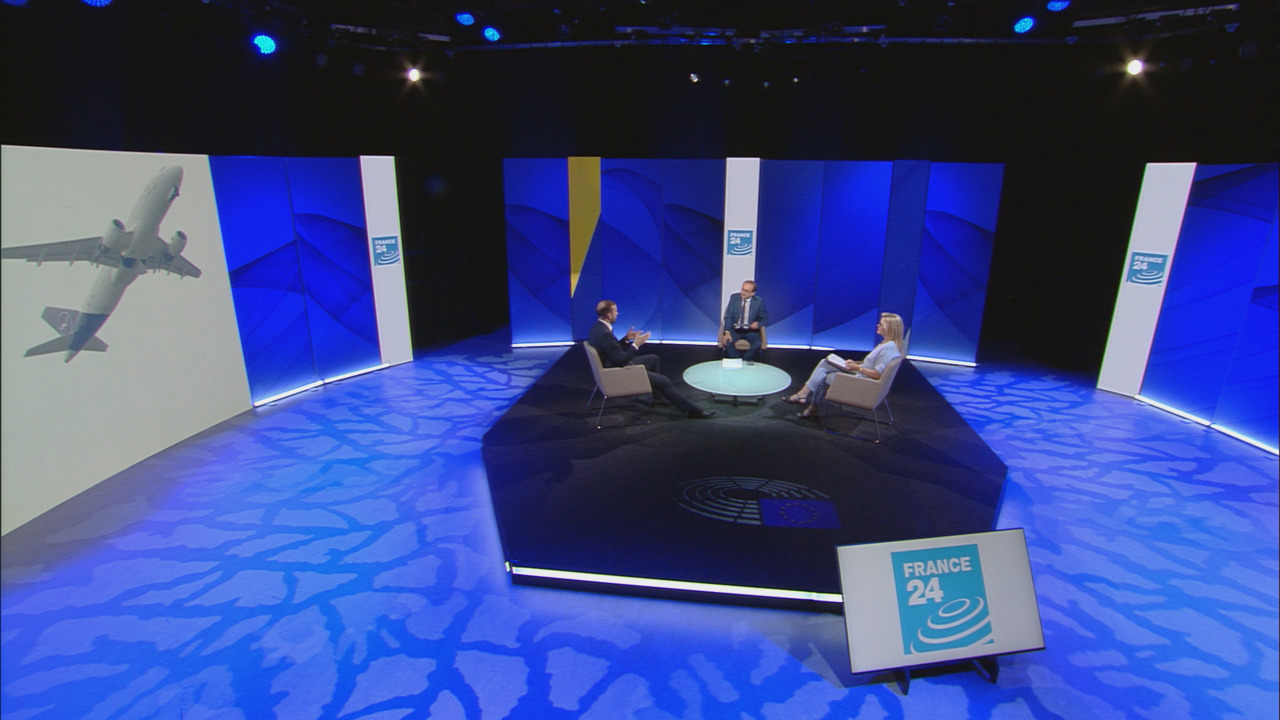
The source of this reporting is a summary of a Talking Europe programme broadcast by France 24 International. The programme was prepared by Oihana Almandoz, Perrine Desplats, Aline Bottin, and Isabelle Romero, who examined the key sticking points and the motivations behind the MEPs' push for reform.
As the negotiations continue, the outcome will determine whether the EU can successfully modernise its air passenger rights legislation. The current impasse highlights the complexity of aligning parliamentary ambitions with the practical considerations of member states in shaping future aviation policy.