EU agrees to third-country 'return hubs' for migrant deportations
The European Commission’s proposal allows for extended detention and hubs in nations without established ties to deportees, pending final parliamentary approval.
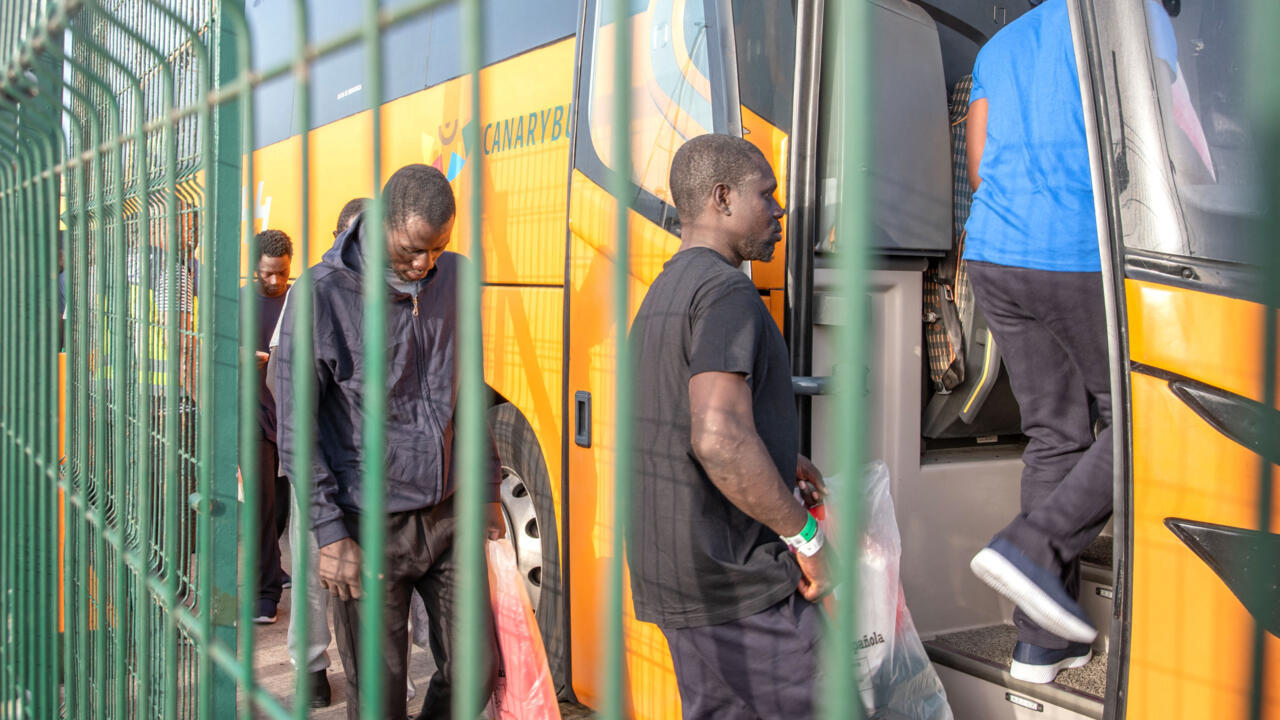
The European Union has reached a political agreement on new legislation that permits member states to deport migrants ordered to leave the bloc to third-country "return hubs". Proposed by the European Commission, the deal seeks to streamline deportation procedures and increase the current departure rate, which stands at approximately 20 per cent. The legislation still requires formal approval by EU governments and the European Parliament before becoming law.
Under the new rules, authorities would be able to establish hubs in countries to which deportees have no established connections. The proposal extends detention periods, including for minors, and introduces penalties such as entry bans, fines, and possible criminal sanctions for non-cooperation. Powers granted to authorities include seizing belongings, collecting biometric data, searching homes, and searching migrants and "relevant premises".
The agreement was reached on Monday, amid pressure from right-wing parties, despite irregular migrant arrivals falling 26 per cent last year to their lowest level since 2021. European Commissioner Magnus Brunner stated that the regulation would give governments more control over who can come to, stay in, or leave the EU, while respecting fundamental rights.
The proposal has drawn sharp criticism from human rights groups, who warn it could enable abuses. Silvia Carta of the Platform for International Cooperation on Undocumented Migrants (PICUM) described the framework as a "draconian detention and deportation machine". Minos Mouzourakis of Refugee Support Aegean warned the draft amounted to a recipe for dangerous practices, noting that some measures, such as night-time home searches, are already occurring in the EU.
Dutch Prime Minister Rob Jetten has described the situation as an "asylum crisis", citing overcrowded reception centres and anti-migration protests. The Netherlands is currently working with Denmark, Germany, Greece, and Austria to set up joint return and transit hubs, with bilateral talks with Uganda on a similar arrangement put on hold. French Greens lawmaker Mélissa Camara criticised the move, comparing home visits to US Immigration and Customs Enforcement (ICE) practices.