EU accelerates Readiness 2030 defence strategy amid rising security threats
The European Union is fast-tracking its defence capabilities under the Readiness 2030 initiative, citing conflicts in Ukraine and the Middle East, as well as concerns over US President Donald Trump’s stance on NATO commitments.
The European Union is accelerating efforts to bolster its defence capacities through the 'Readiness 2030' initiative, a strategic framework formerly known as 'ReArmEU'. The bloc’s push for enhanced military readiness follows explicit warnings from European intelligence agencies that the region could face a major conflict by the end of the decade.
According to the European Union, the urgency for rearmament is driven by a convergence of global security challenges. These include the ongoing war in Ukraine, the escalating conflict in the Middle East, and what Brussels describes as the intimidation of NATO member states by US President Donald Trump. These factors have collectively shifted the EU’s mindset regarding continental security and defence investment.
Despite the clear strategic imperative, the implementation of Readiness 2030 faces significant internal obstacles. Progress has been hampered by fragmented defence markets across member states, persistent industrial rivalries, and disparate procurement systems. These structural inefficiencies complicate the bloc’s ability to act with unified efficiency and common sense in its defence planning.
The initiative was originally presented just over a year ago under the name 'ReArmEU' before being rebranded to 'Readiness 2030'. The European Union continues to assess what further measures are required to overcome these market and industrial barriers, aiming to inject greater coherence into its defence posture.
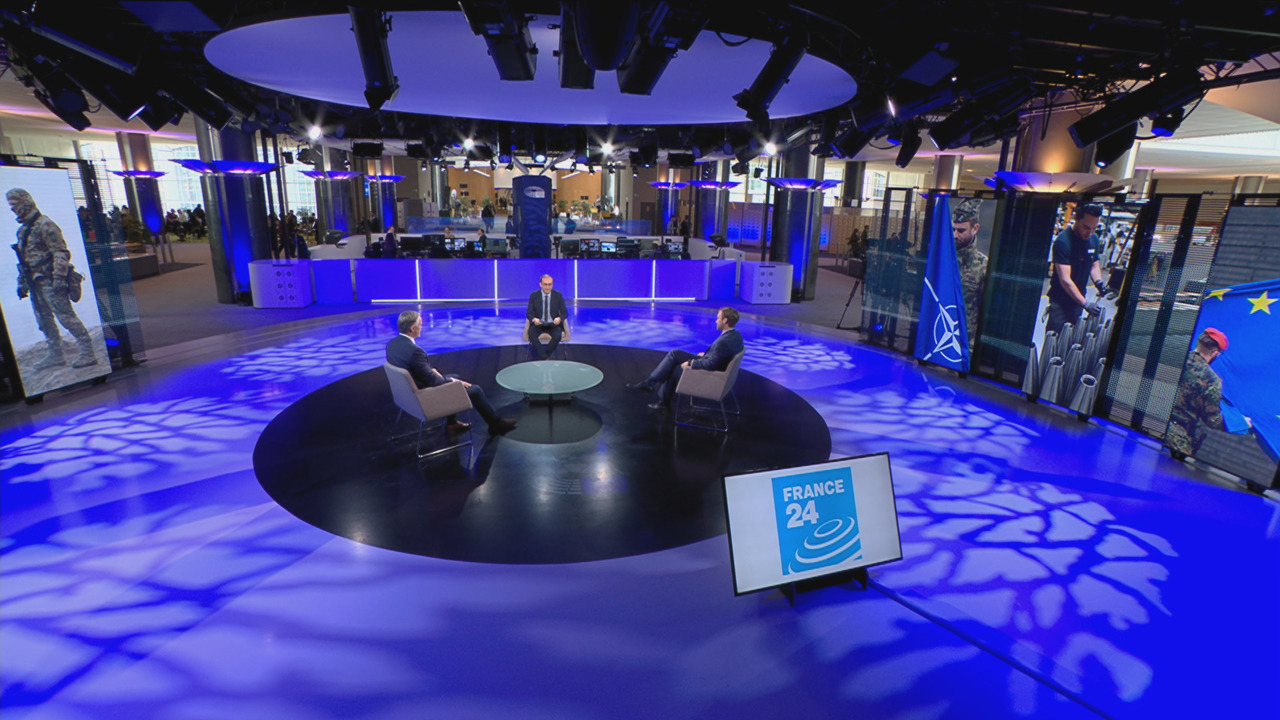
As the EU grapples with these internal divisions, the programme discussing these developments was prepared by Perrine Desplats, Isabelle Romero, and Oihana Almandoz for the 'Talking Europe' segment on France 24. The discussion highlights the tension between the urgent need for collective security and the practical realities of coordinating defence policy among sovereign nations.