Ethiopia’s Growth Masks Deepening Political and Economic Fractures
Dr Douglas Yates argues that internal rebellions and uneven wealth distribution have replaced the hopes for regional reconciliation that followed Prime Minister Abiy Ahmed’s 2019 Nobel Peace Prize.
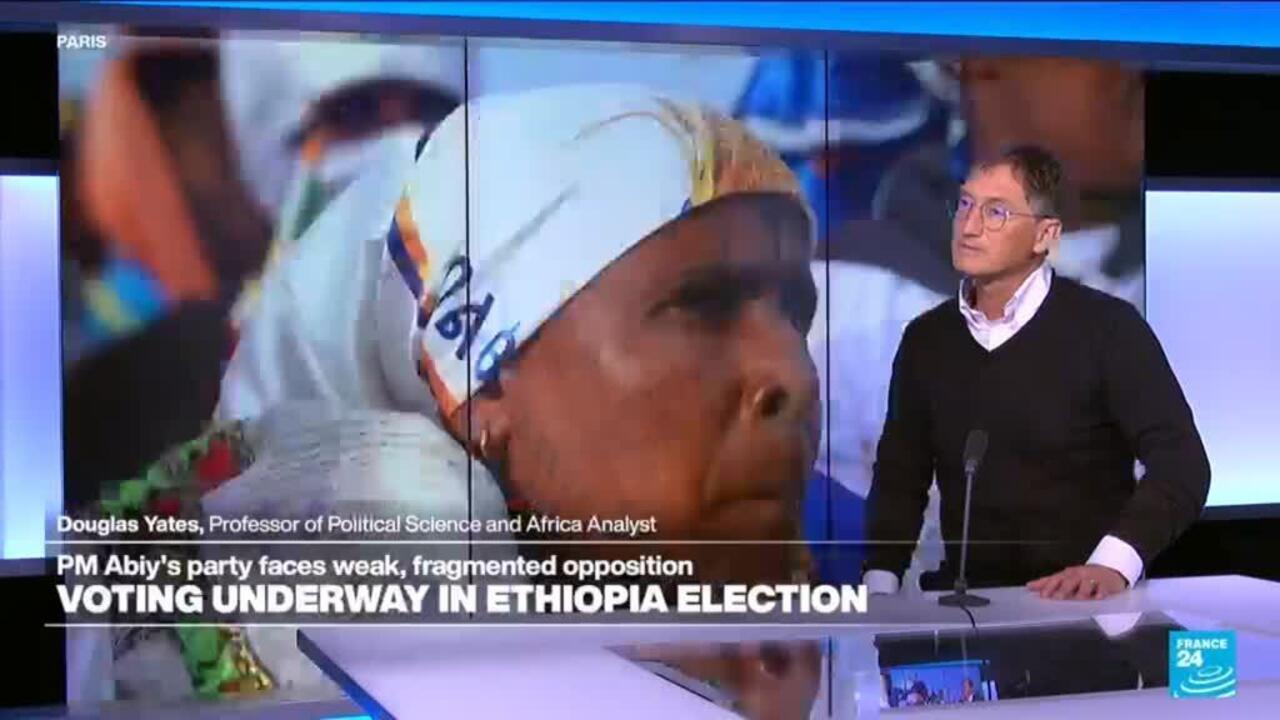
Dr Douglas Yates, a political science professor and Africa specialist at the American Graduate School of International Relations and Diplomacy, has cast significant doubt on the integrity of Ethiopia’s upcoming elections. Speaking on France 24, Yates argued that while the nation remains one of Africa’s fastest-growing economies, the benefits of this expansion are not being shared equitably, creating a volatile political environment defined by exclusion and inequality.
Yates highlighted that the defining realities of the current Ethiopian political landscape are ongoing conflict, high inflation, and uneven development. Although he acknowledged that electoral procedures may function in certain parts of the country, he maintained that these structural issues fundamentally undermine the conditions necessary for the vote to be considered free and fair.
The assessment marks a stark departure from the optimism that characterised the period following Prime Minister Abiy Ahmed’s receipt of the Nobel Peace Prize in 2019. Yates noted a significant shift in perceptions during this interval, observing that early hopes for regional reconciliation have been supplanted by a far more complicated political reality driven by internal rebellions and regional rivalries.
According to Yates, the initial celebration of Abiy Ahmed’s diplomatic achievements has given way to a complex web of domestic instability. The persistence of these internal conflicts, coupled with poor wealth distribution, suggests that the economic growth metrics often cited by the government do not reflect the lived experience of the broader population.
The discussion underscores the growing divergence between Ethiopia’s macroeconomic performance and its governance challenges. As the country prepares for the electoral cycle, the combination of economic disparity and entrenched conflict presents a formidable barrier to democratic consolidation, raising serious questions about the stability of the region in the near term.