Ethiopia votes on democratic consolidation amid economic growth and structural challenges
With 57 million citizens casting ballots for parliamentary seats, Addis Ababa highlights infrastructure achievements and GDP expansion while navigating ethnic divisions through the National Dialogue Process.
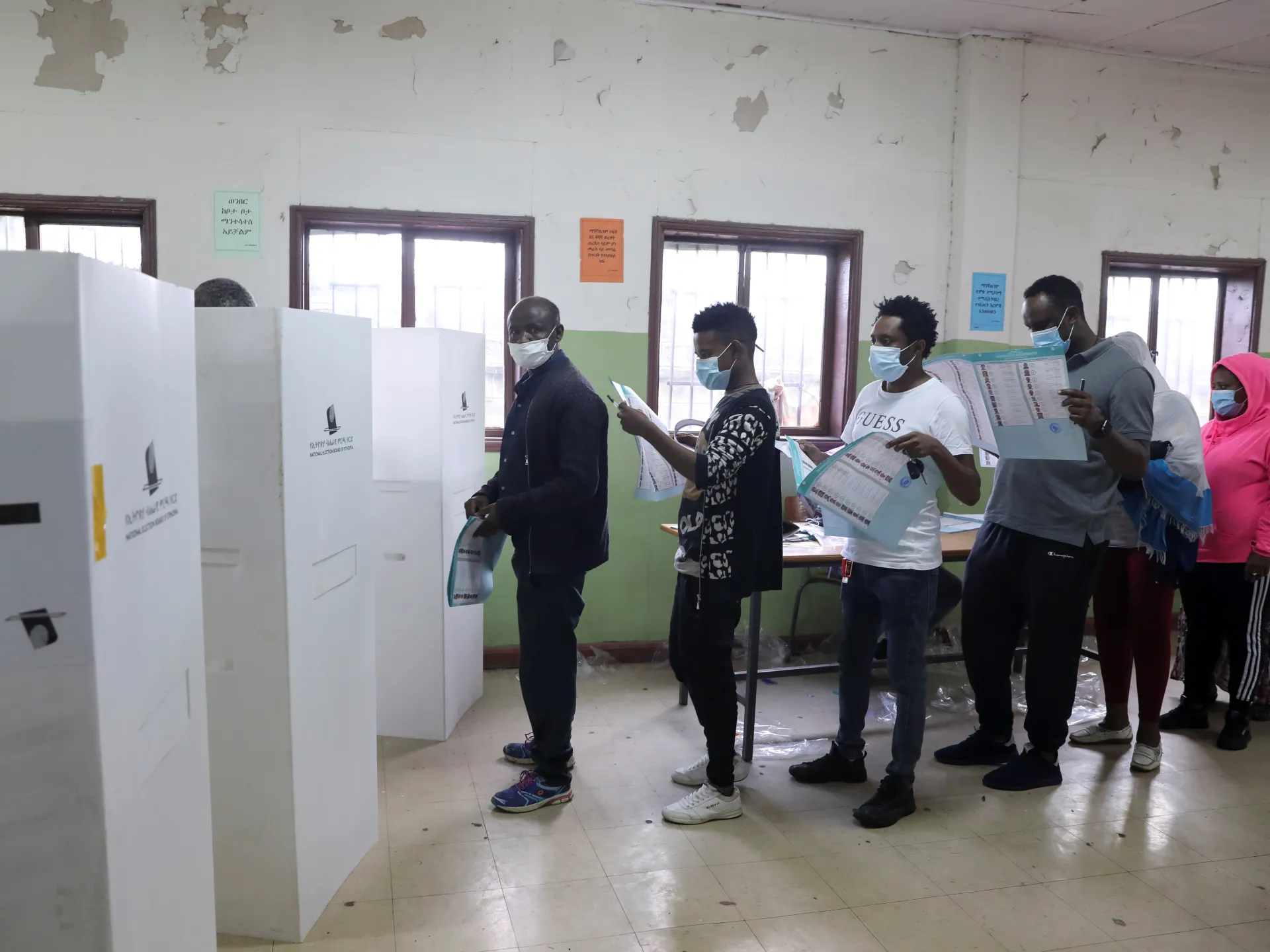
More than 57 million Ethiopians voted on June 1 in the country’s seventh national election since the adoption of the 1995 constitution. The parliamentary contest, which saw 47 political parties and over 10,000 candidates compete for federal and regional seats, was characterised as a significant test of democratic consolidation. Unlike many African nations, Ethiopia’s system mirrors the United Kingdom model, with voters choosing parliamentary representatives rather than a direct president.
The government has pointed to robust economic performance as a key factor in the electoral landscape. Officials cited an average annual gross domestic product expansion of 7.5 per cent over recent years, with projections exceeding 10 per cent for the current year. This growth has been accompanied by visible urban transformation in cities such as Addis Ababa, ambitious infrastructure development, and improvements in agriculture and industry.
A central pillar of the government’s narrative is the completion of the Grand Ethiopian Renaissance Dam, which has reinforced Ethiopia’s status as a regional energy powerhouse. Export performance has improved, driven by agriculture and mining, while sectors including tourism and digital services are expanding. These developments are presented as tangible outcomes of the current administration’s policy focus, aiming to bolster public confidence ahead of the vote.
Despite these economic indicators, the political environment remains complex. The opposition is described as fragmented along ethnic and sectarian lines, limiting its ability to capitalise on security and economic challenges within a first-past-the-post system. To address this imbalance and encourage a more pluralistic parliament, the ruling party refrained from fielding candidates in a portion of available seats. There is also an expectation that opposition figures may be included in executive roles post-election to foster a more inclusive political culture.
The election is viewed as a step toward democratic transition, complemented by the ongoing National Dialogue Process. This initiative aims to address constitutional and political questions that lie beyond the scope of majoritarian decision-making, seeking consensus on fundamental issues amidst deep-rooted ethnic divisions and a recent history of conflict. The vote is framed not merely as a selection of representatives, but as an affirmation of national commitment to democratic institutions under challenging global and domestic conditions.