Ethiopia votes in general election to determine parliamentary composition and prime minister
The National Election Board of Ethiopia oversees a contest involving 47 parties and over 10,900 candidates, with the outcome set to shape federal governance under the country’s parliamentary system.
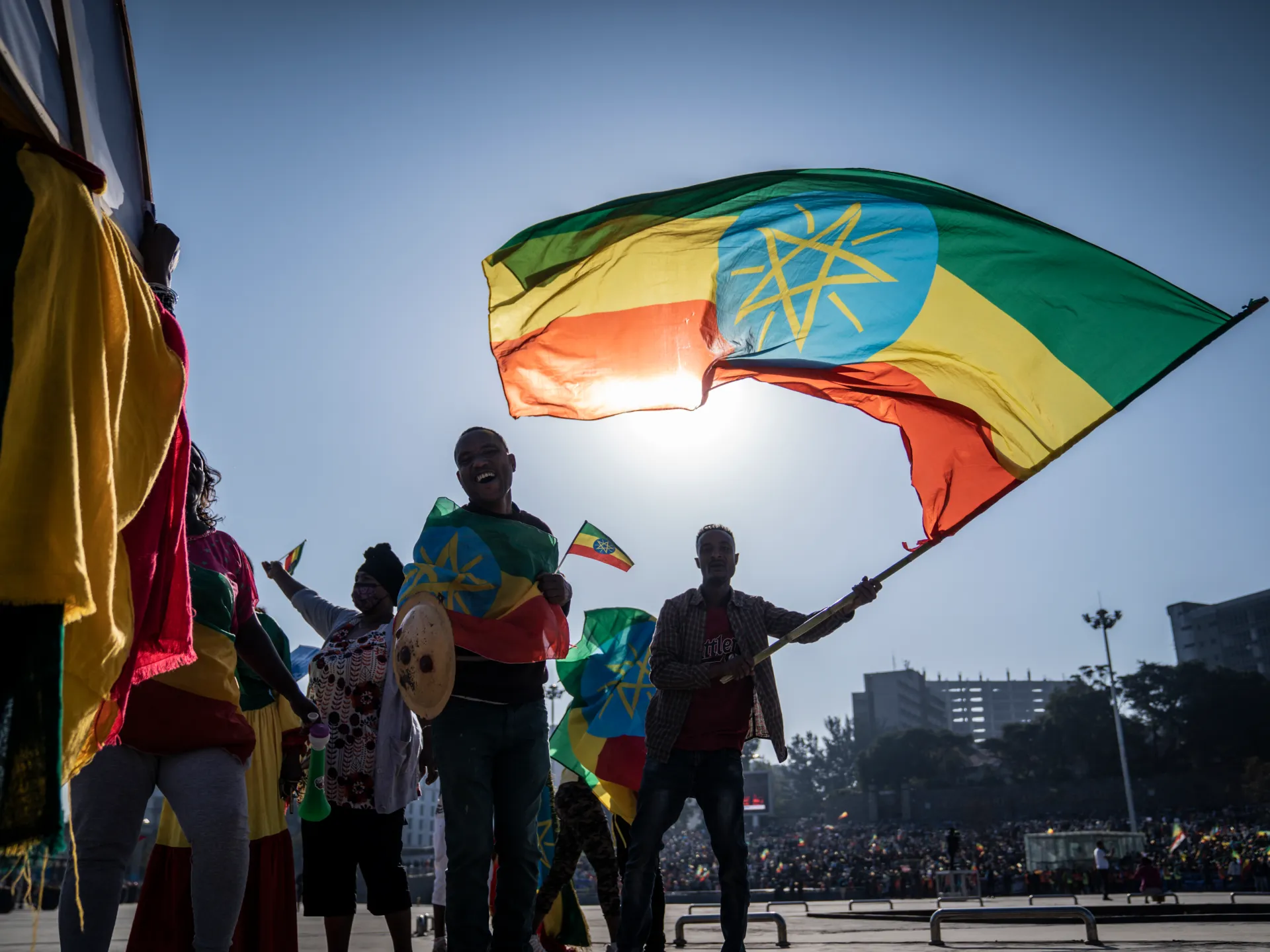
Ethiopians cast their ballots on Monday in a general election to elect members of the federal parliament and regional councils. Under the nation’s federal parliamentary system, the elected members of parliament will subsequently select the next prime minister, a process that determines the composition of the federal government and the distribution of power between central and regional authorities.
The National Election Board of Ethiopia reported that 47 political parties and more than 10,900 candidates are contesting seats. The field includes 2,198 candidates for the House of Peoples’ Representatives, 8,736 for regional and city councils, and 73 independent candidates. The board noted that independent candidates generally focus on local governance issues and constituency-level concerns rather than formal national party platforms.
The ruling Prosperity Party, led by Prime Minister Abiy Ahmed, is contesting the election. Formed in 2019 through the merger of several regional parties that previously constituted the Ethiopian People’s Revolutionary Democratic Front, the party held a majority in the House of Peoples’ Representatives following the 2021 general election. Its programme emphasises national unity, economic reform, and state-led development within the federal framework.
Opposition forces include the National Movement of Amhara, led by Belete Molla, which focuses on political representation and regional rights within the Amhara region. The Ethiopian Citizens for Social Justice, led by Berhanu Nega, promotes liberal democratic governance and market-oriented reforms. Additionally, the Peace for Ethiopia coalition comprises smaller regional parties such as the Agew National Council and the Tigray Democratic Cooperation, aiming to coordinate the representation of diverse regional interests.
More than 50 million voters are registered, with women accounting for approximately half of the electorate. Young people form a significant demographic share, with a median age of about 19 years according to United Nations estimates. Voting is conducted under Ethiopia’s legal framework for universal adult suffrage, granting citizens aged 18 and above the right to vote in constituencies across urban and rural areas.