Ethiopia votes amid turmoil as Abiy Ahmed seeks to cement power
While the government frames the vote as a step toward genuine democracy, critics point to deep-seated ethnic divisions and security failures as barriers to a democratic outcome.
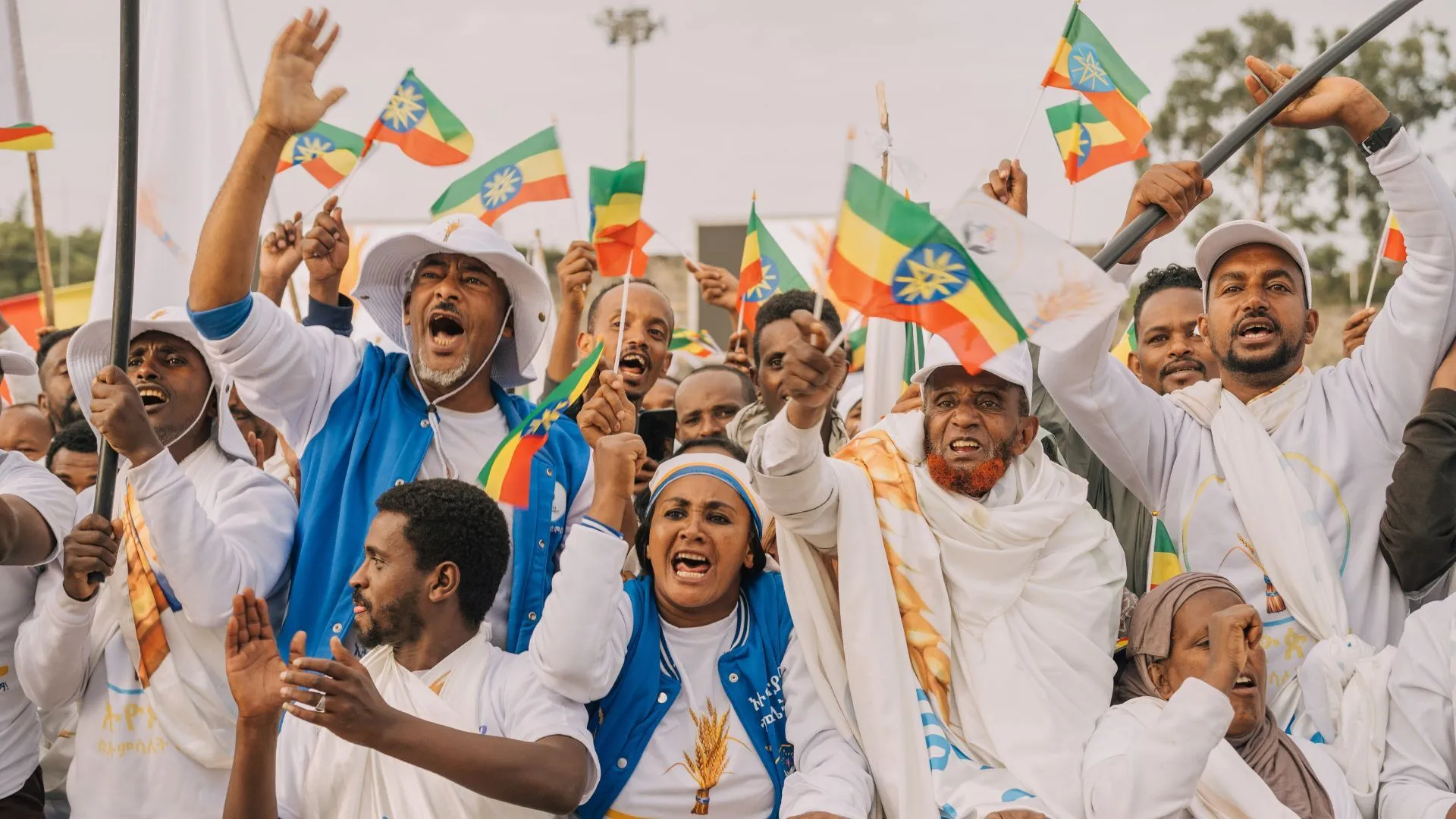
Millions of Ethiopians are heading to the polls for general elections on June 1, marking a critical juncture for Prime Minister Abiy Ahmed’s administration. The governing party, which has consolidated its authority since Abiy took office in 2018, is seeking to cement its grip on power and has publicly expressed confidence in securing victory. The government portrays the election as a necessary step towards what it describes as genuine democracy, despite a political landscape defined by years of turmoil and conflict.
The electoral process is unfolding under a legal framework for universal adult suffrage, granting citizens aged 18 and above the right to vote. More than 50 million voters are registered to participate in the election. The demographic makeup of the electorate is notably young, with a median age of approximately 19 years, and women comprising roughly half of the voting population.
However, the integrity of the vote is under severe strain. Violence is actively preventing voting in dozens of constituencies, disrupting the democratic process across various regions. Additionally, several opposition parties have been excluded from the election, raising questions about the inclusivity of the political contest. Critics and opposition groups argue that these exclusions, combined with ongoing instability, make a democratic outcome unlikely.
Analysts highlight that Ethiopia’s political environment is characterised by significant ethnic and regional divisions, which complicate the path to stable governance. Samuel Getachew, a journalist and commentator specialising in Ethiopian politics and security, has noted the complexities facing the electorate. Martin Plaut, a senior research fellow at King’s College London, and Bizuneh Yimenu, a lecturer in comparative politics at Queen’s University Belfast who specialises in federalism, have also weighed in on the stakes involved in this fragmented political landscape.
As the vote proceeds, the government’s narrative of democratic progress stands in contrast to the on-the-ground reality of security failures and political exclusion. The outcome of the election will determine the composition of parliament and the future direction of the country, but the immediate challenges of violence and division suggest a difficult road ahead for institutional stability.