Ethiopia votes amid rights crisis as critics question electoral credibility
The National Election Board of Ethiopia authorised the June 1 poll despite ongoing violence and allegations of severe abuses, drawing international calls for accountability.
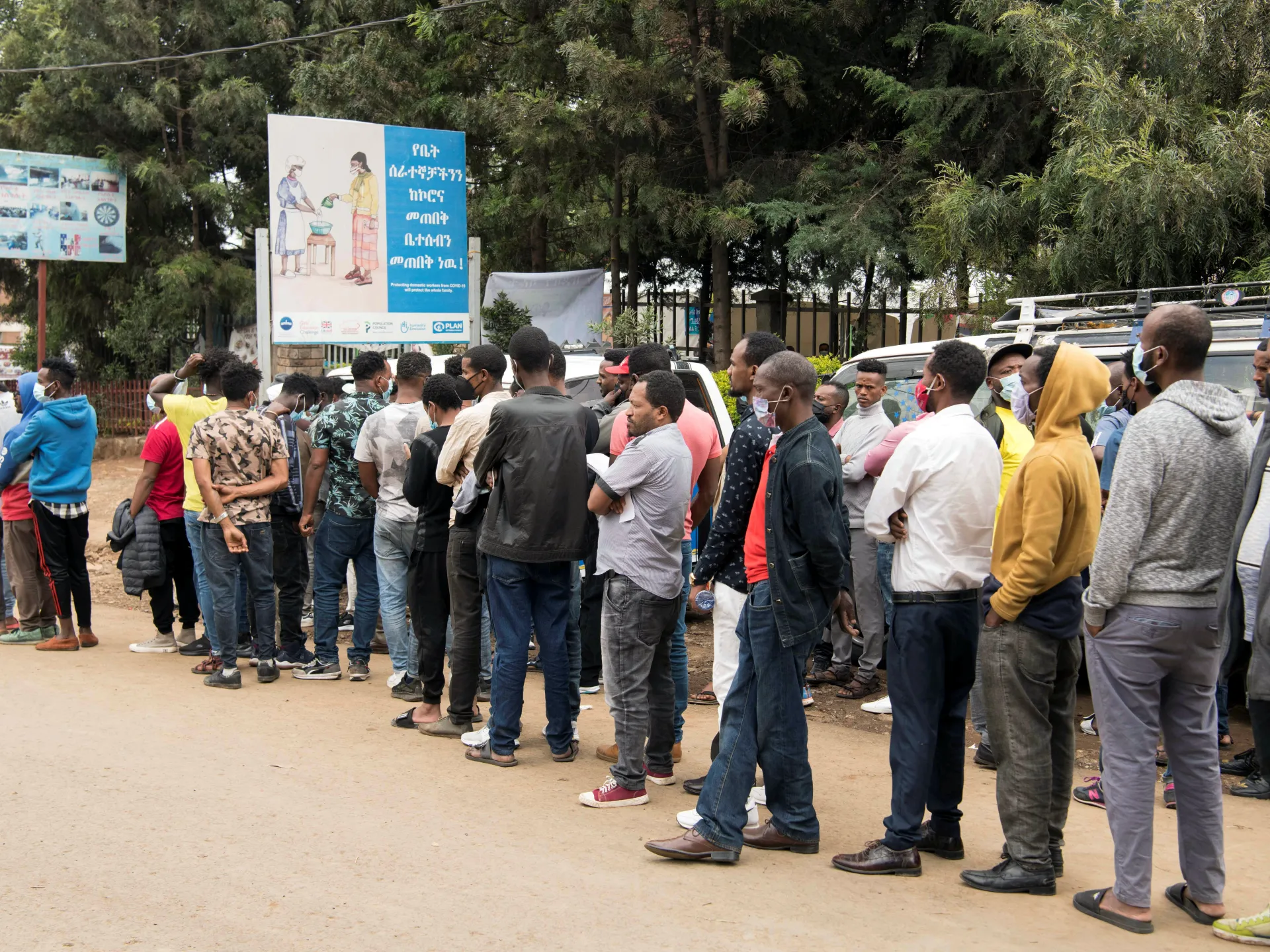
Ethiopia held its seventh national general election on June 1, 2026, a vote authorised by the National Election Board of Ethiopia (NEBE) despite deepening internal conflicts and allegations of severe human rights abuses. Critics argue that the current security and political environment is not conducive to free, fair, or credible proceedings, citing the consolidation of authoritarian rule by Prime Minister Abiy Ahmed’s Prosperity Party and widespread repression of journalists and political opponents.
The election takes place against a backdrop of continued violence in the Amhara and Oromia regions. In the Amhara region, federal forces have clashed with Fano militias since 2023, resulting in what rights groups describe as war crimes and crimes against humanity. These include the Merawi massacre in January 2024, where government soldiers executed at least 89 civilians, and drone strikes across Gojam, Wollo, and Shewa areas that have caused significant civilian casualties.
Conflict has also persisted in the Oromia region, where federal forces are engaging the Oromo Liberation Army (OLA). The instability has led to the killing of political figures, including Bate Urgessa, a leader in the Oromo Liberation Front (OLF), in April 2024. The circumstances surrounding his death in the town of Meki remain unclear, adding to the concerns regarding the safety of political participation.
The Prosperity Party has increasingly rolled back the legal and political reforms introduced when Abiy Ahmed took office in 2018. The government has been accused of relying on covert security structures, such as the Koree Nageenyaa, which have reportedly committed extrajudicial killings, torture, and arbitrary detention. This repression has forced many journalists and human rights defenders into exile, with reports indicating that at least 54 journalists have left the country since 2020 due to persecution.
International pressure is mounting, with 41 countries issuing a statement on March 2 calling for accountability and the implementation of transitional justice. The African Commission on Human and Peoples’ Rights has previously highlighted human rights violations in the context of Ethiopian elections. Without respect for fundamental freedoms, including freedom of expression and assembly, the electoral process faces significant scrutiny from the international community.