Ethiopia suspends voting in 46 districts as election credibility faces scrutiny
With Prime Minister Abiy Ahmed expected to secure a decisive majority, experts and opposition groups characterise the June 1 parliamentary vote as a symbolic exercise rather than a genuine contest, amid ongoing regional instability and a crackdown on media.
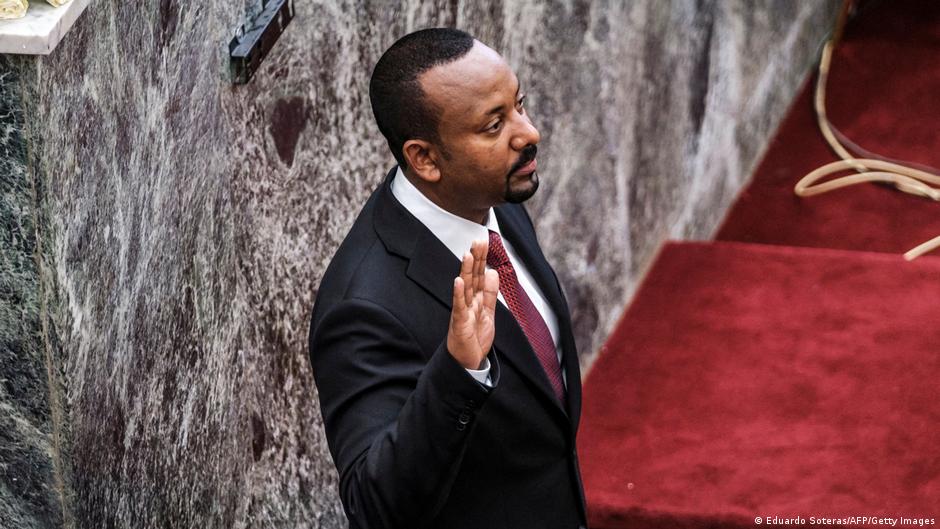
Ethiopia’s National Election Board of Ethiopia (NEBE) has suspended voting in 46 electoral districts across the Amhara and Tigray regions, citing insecurity and political tensions ahead of the scheduled June 1 parliamentary elections. The decision excludes eight districts in the northwestern Amhara region and 38 in Tigray, where clashes between militia groups and the army have created what the board described as unfavourable conditions. In Tigray, high tensions persist between the federal government and the Tigray People's Liberation Front (TPLF), complicating the electoral landscape.
The election is widely viewed by experts and opposition groups as a symbolic exercise designed to legitimise the ruling Prosperity Party rather than serve as a genuine political contest. Political analyst Martin Plaut predicts that Prime Minister Abiy Ahmed will likely secure over 90 percent of the vote, mirroring his previous result. Kjetil Tronvoll, a peace and conflict researcher, described the process as a purely formal affair that lends the government electoral legitimacy without offering a viable path to challenge the administration.
The political environment remains volatile, with the TPLF banned as a political party in 2025 yet having reinstated its regional parliament and elected leader Debretsion Gebremichael as speaker. Analysts view this move as a threat to the 2022 peace agreement that ended the brutal civil war between 2020 and 2022. Meanwhile, Fano militias in Amhara and the Oromo Liberation Army in Oromia are actively fighting the Ethiopian National Defense Forces, with Fano controlling key cities and roads in Amhara.
The Coalition for the Unity of Ethiopia (CEU), an alliance of opposition parties, has called for an end to the war, the release of political prisoners, and greater political freedom as prerequisites for participation. CEU president Abraham Getu stated that the coalition's involvement depends on current concrete circumstances, reflecting broader opposition scepticism. The government maintains that the election signals stability and progress, despite the exclusion of significant portions of the electorate.
Beyond the domestic political fray, regional instability poses further risks. Tensions with Eritrea are being fuelled by Prime Minister Abiy Ahmed’s demands for direct access to the Red Sea, while conflicts in Sudan raise concerns about wider regional destabilisation. The United Arab Emirates, Ethiopia’s strongest ally, has been accused by UN experts of supplying weapons to the Rapid Support Forces in Sudan. Additionally, the government has intensified a crackdown on journalists, including the temporary suspension of all nine Deutsche Welle correspondents in October 2025 and the revocation of accreditation for two journalists in December 2025.
As Ethiopians head to the polls, many express concern over economic hardships, including inflation and unemployment, which have driven a youth exodus. However, analysts warn that the election outcomes may not address these underlying issues or prevent further unrest. The complex political situation is expected to persist, with the potential for continued conflict in the north and heightened tensions with neighbouring states.