Ethiopia election results expected to confirm Prosperity Party dominance amid security suspensions
The ruling party is projected to secure a landslide victory, while opposition groups allege disenfranchisement and call for annulments in affected regions.
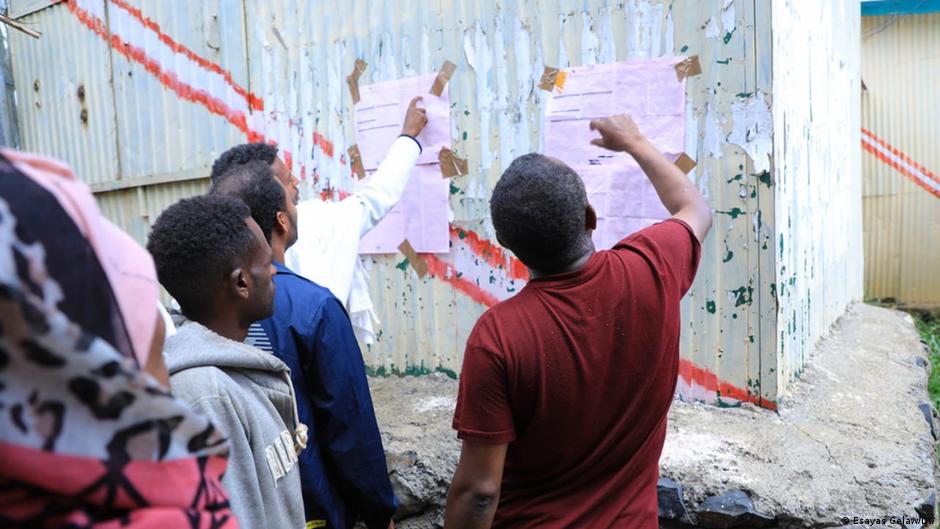
Ethiopia’s parliamentary election on June 1 is set to confirm the continued dominance of Prime Minister Abiy Ahmed’s Prosperity Party, despite significant security disruptions that prevented voting in large swathes of the country. While the African Union and the Intergovernmental Authority on Development (IGAD) observer missions described the electoral process as generally peaceful, the exclusion of nearly 50 million registered voters from key regions has drawn sharp criticism from opposition groups.
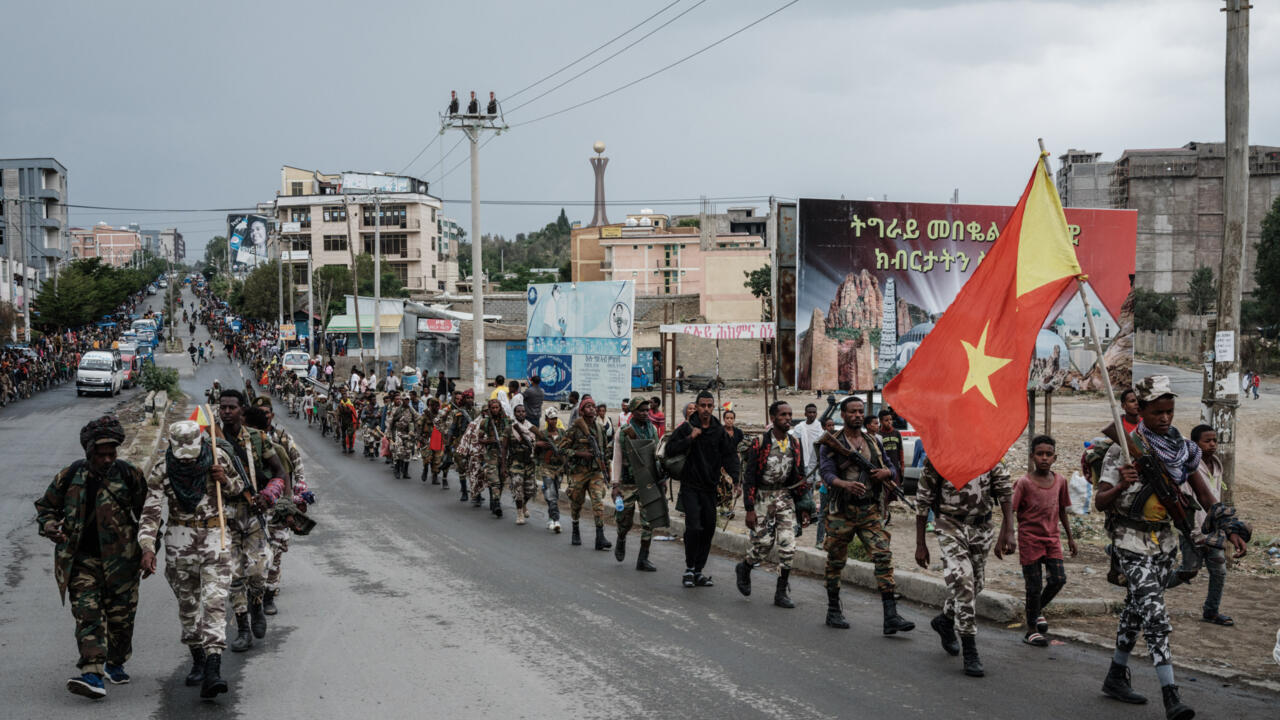
Officials suspended voting in at least 140 constituencies across the Amhara and Oromia regions, which are among the nation’s most populous, citing insecurity. Voting was also halted in Tigray, the fourth-most-populous region, with election organizers citing unfavourable conditions. The suspensions highlight the persistent impact of unresolved conflicts in these areas, raising questions about the inclusivity of the democratic process.
Speciosa Wandira-Kazibwe, head of the IGAD Observer Mission and former vice president of Uganda, extended congratulations to the government and people of Ethiopia. She stated that the peaceful conduct of the polls places the country on a path toward stability, constitutionalism and democratic progress. A joint statement by the AU and IGAD missions echoed this assessment, describing the election as orderly despite the logistical challenges.
However, reactions from political parties have been sharply divided. The Coalition for Ethiopian Unity (CEU) and the Kucha People’s Democratic Party have lodged complaints with the National Election Board of Ethiopia, alleging disenfranchisement and rigging. Bandira Belachew of the Kucha People’s Democratic Party told reporters that constituents were unable to exercise their constitutional right to elect representatives, prompting a request for the annulment of the election in the Kucha constituency.
The CEU, an alliance of five political parties, has declared that it will not accept any results, arguing that a rigged process cannot yield democratic outcomes. This stance mirrors historical precedents, including the widespread protests following the 2005 election and the legal challenges mounted against the Ethiopian People’s Revolutionary Democratic Front in 2010. Meanwhile, the Ethiopian Citizens for Social Justice reported a positive atmosphere with no major problems, reflecting the fragmented nature of the opposition landscape.
Analysts note that the opposition remains too weak to pose a serious competitive threat to the ruling party. Bizuneh Yimenu of Queen’s University in Belfast described the power imbalance as making the election uncompetitive, predicting a landslide victory for the Prosperity Party, which currently holds 457 of 547 seats in the House of Representatives. Conversely, Mistresilasie Tamerat of the Ethiopian People’s Revolutionary Party argued that the existence of a challenge to the government disproves narratives of a weak opposition.
With results not expected for up to ten days, the focus is shifting to the implications of a fifth-year mandate for Abiy Ahmed. Analysts suggest that the government will face significant pressure to prioritise peace-building efforts in the regions where voting was suspended. Yimenu emphasised that the coming term must address the need for peace and security that the majority of the country requires, as the unresolved conflicts indicated by the election suspensions continue to loom over the political landscape.