Ethiopia and UNHCR launch support centre to streamline refugee services
The UN refugee agency and the Ethiopian government have inaugurated a support centre designed to help refugees navigate bureaucracy and secure essential documentation, as the country hosts over one million displaced persons.
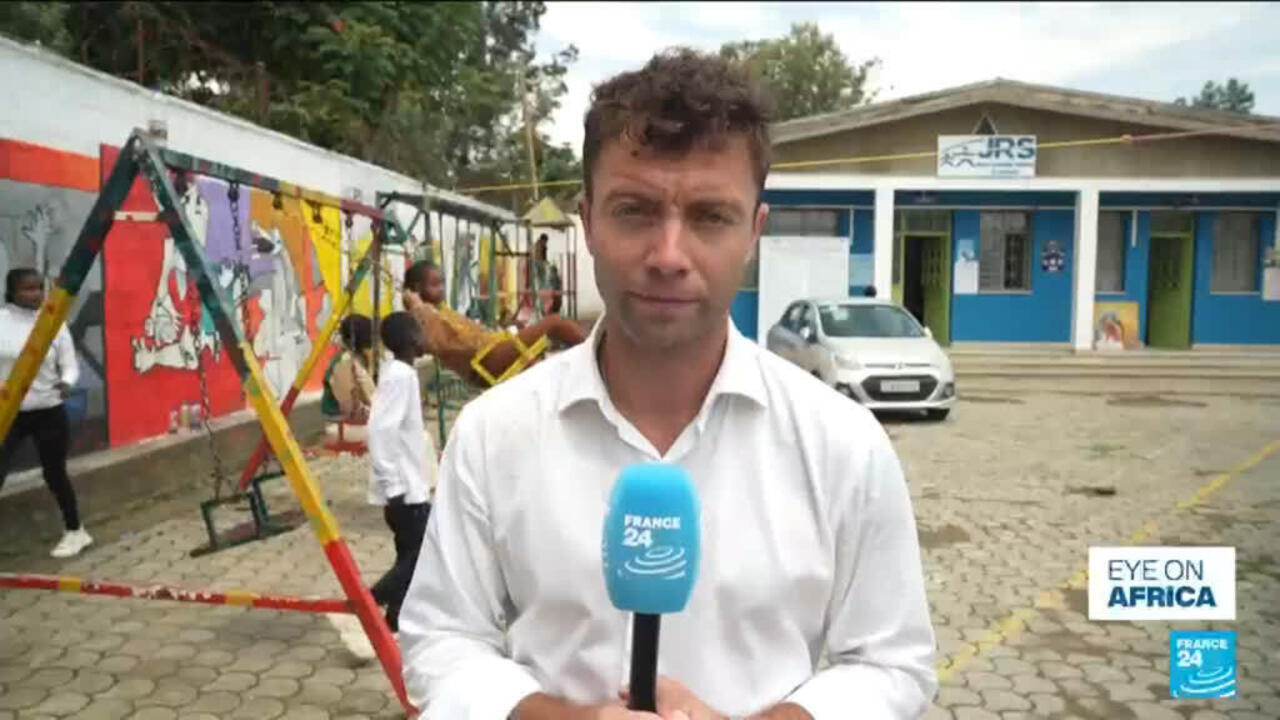
The United Nations High Commissioner for Refugees (UNHCR) and the Ethiopian government have jointly opened a new support centre in Addis Ababa, marking a coordinated effort to address the administrative challenges faced by displaced populations within the country. The facility is designed to provide refugees with free legal advice and access to essential services, aiming to reduce the bureaucratic hurdles that often impede integration and stability.
According to reports from Tom Canetti in Addis Ababa, the initiative is structured to assist refugees in navigating complex bureaucratic processes and obtaining vital documents. By facilitating access to these critical resources, the centre seeks to improve the prospects of displaced individuals finding employment, thereby enhancing their economic self-reliance and reducing dependency on external aid.
Ethiopia currently hosts more than one million refugees, a demographic reality that positions the nation as Africa’s third-largest refugee-hosting country. The scale of this population underscores the necessity for structured institutional support mechanisms. The new centre represents a targeted intervention to manage the administrative burden on both the refugee population and state institutions, ensuring that legal and service-related needs are met efficiently.
The collaboration between the UNHCR and the Ethiopian government highlights a shared policy objective to improve the operational framework for refugee management. By centralising access to legal advice and essential services, the facility aims to create a more predictable environment for refugees, allowing them to focus on long-term settlement and workforce participation rather than immediate administrative survival.
This development occurs against a backdrop of ongoing regional displacement pressures. While the specific operational capacity of the centre remains to be fully detailed, its stated goals align with broader international efforts to support host nations in managing large-scale refugee influxes through improved governance and service delivery.
The opening of the centre in Addis Ababa signals a shift towards more structured, institutional support for refugees in Ethiopia. As the country continues to host a significant portion of Africa’s displaced population, such initiatives are critical for maintaining social stability and ensuring that legal frameworks effectively protect the rights and opportunities of those seeking refuge.