Estate-backed Michael Jackson biopic 'Michael' omits race, politics in narrative arc
Critics note the production excludes details regarding the artist's race, political views, and solidarity with Palestine
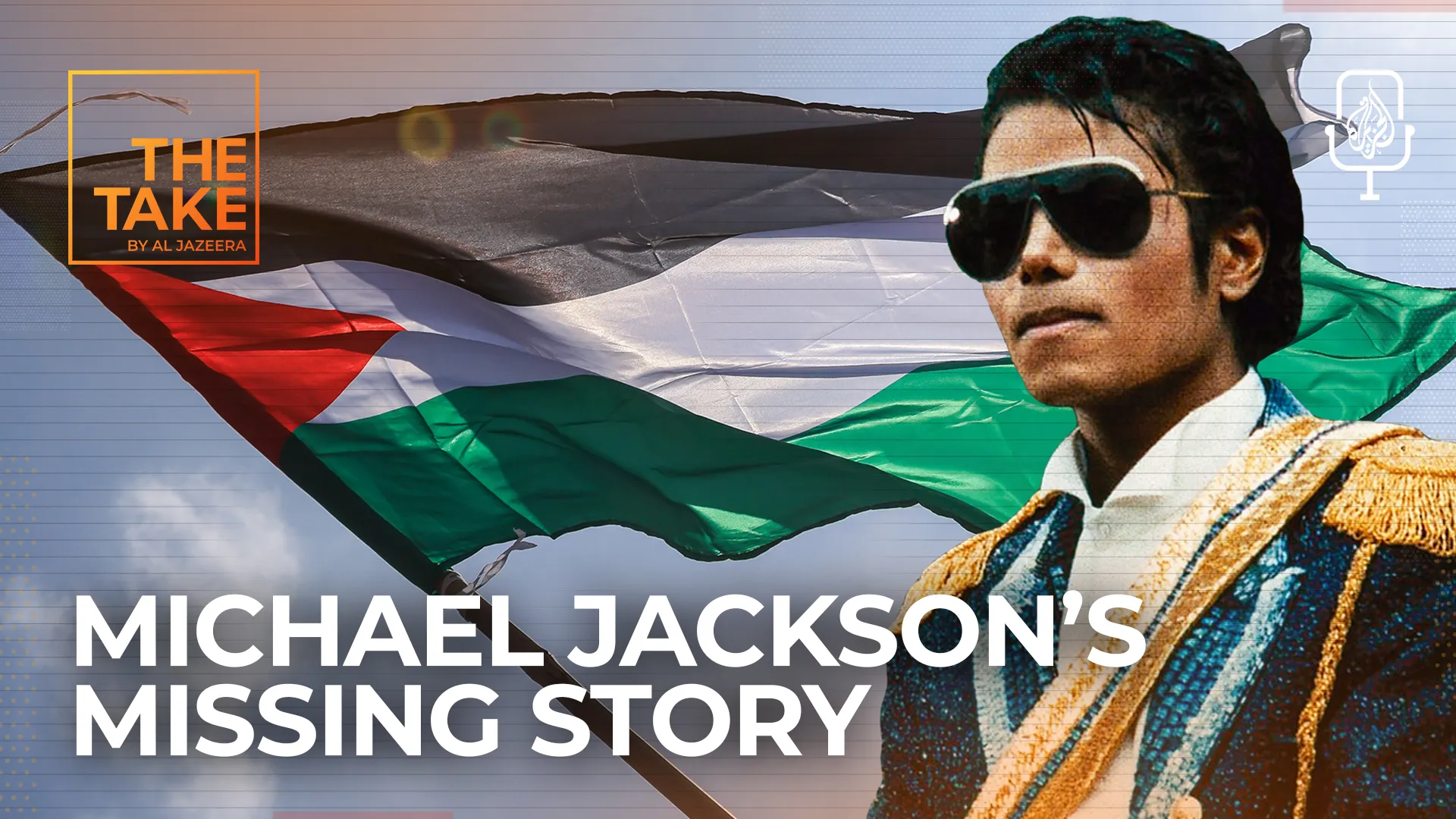
A new biopic titled 'Michael', backed by the Michael Jackson estate, has been released to chronicle the musician's ascent from Gary, Indiana to global superstardom. The production focuses heavily on the artist's commercial trajectory, highlighting iconic hits such as *Thriller* and his record-breaking success during the height of his fame.
The narrative structure of the film deliberately concludes its story before the onset of the major scandals that later defined the latter part of Jackson's life. This editorial choice ensures the biopic remains focused on the era of his peak popularity, effectively bypassing the controversies that would eventually overshadow his legacy.
However, the decision to end the narrative prior to these events has drawn scrutiny regarding what has been left out of the story. Critics analysing the film note that the production explicitly omits details concerning the artist's race, a central aspect of his public identity and the challenges he faced throughout his career.
Furthermore, the biopic excludes significant political dimensions of Jackson's life, specifically his solidarity with Palestine. By removing these elements, the film presents a version of the artist that is stripped of the political engagement and racial context that were integral to his persona.
The source of this critique originates from an episode of Al Jazeera's *The Take*, produced by David Enders and Sarí el-Khalili. The programme questions who ultimately decides how the musician's legacy is framed when the estate provides the backing for such a significant production.
While the film successfully captures the rise of a global icon, the omission of these specific facets suggests a narrative curated to highlight triumph while erasing the complexities of the man behind the music. The estate's involvement remains a key factor in the production's scope and the specific boundaries of its storytelling.